



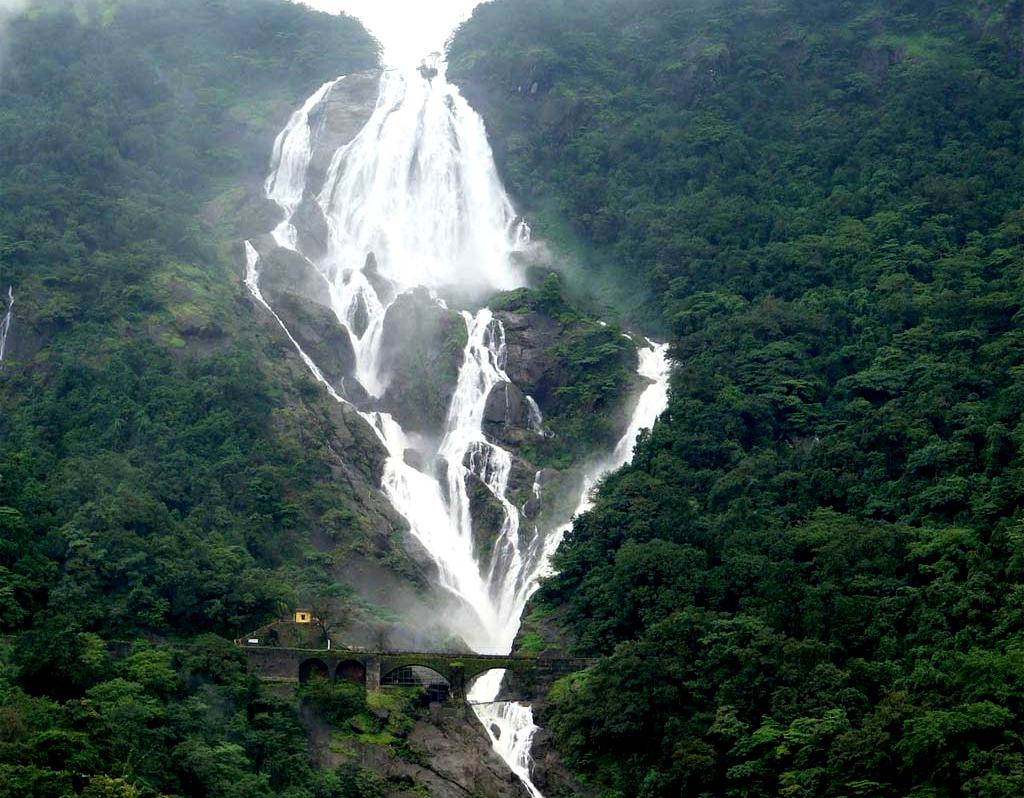
The Dudhsagar Waterfall, cascading majestically through the lush greenery of the Western Ghats, is a natural wonder that draws awe and admiration. As one of India’s tallest waterfalls, it is a spectacle particularly during the monsoon season when its milky white waters, reminiscent of flowing milk, surge down with a thunderous roar. But beyond its sheer beauty, Dudhsagar is steeped in layers of history, culture, and local lore that enrich its allure.
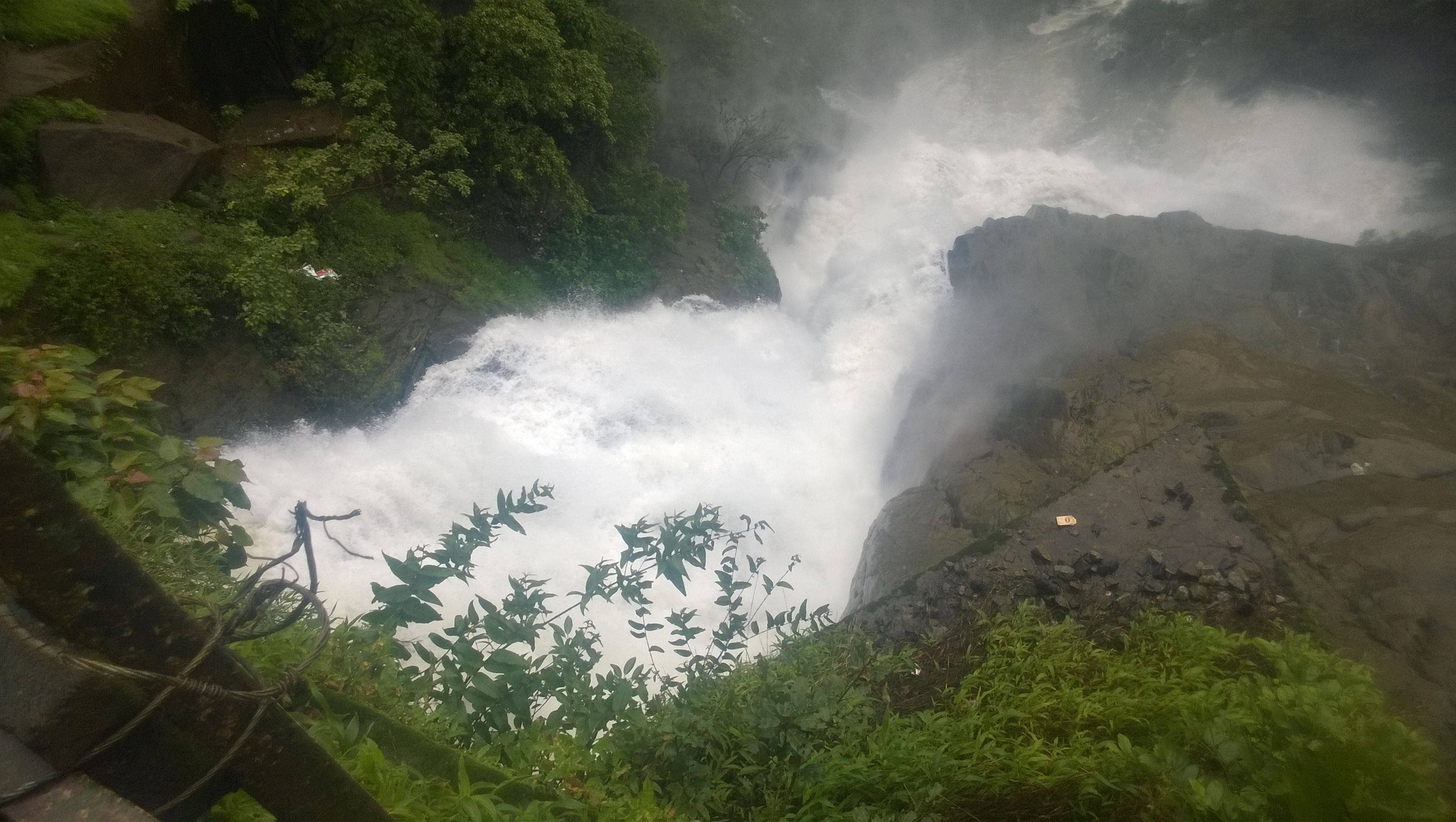
The name "Dudhsagar," meaning "Sea of Milk," is derived from a local legend that speaks volumes of its historical depth. The tale recounts a powerful princess who, while bathing in a lake, would drink milk from a golden jug. Upon being surprised by a prince, she poured the milk into the water to create a curtain, thus preserving her modesty. This story, while mythical, connects deeply with the region’s cultural tapestry, highlighting the ancient ways in which the locals revered and mythologized natural phenomena.
Architecturally, Dudhsagar does not boast man-made structures; instead, its grandeur is marked by nature’s own artistry. The waterfall is part of the Bhagwan Mahavir Wildlife Sanctuary, a vast expanse of verdant forests that host a myriad of flora and fauna. The surrounding landscape is a testament to the raw, untouched beauty of the Western Ghats, a UNESCO World Heritage Site. The railway bridge passing right in front of the falls adds a dramatic touch, appearing as if nature and human ingenuity conspired to craft a scene straight out of a fairy tale.

In terms of local culture, the area around Dudhsagar is inhabited by people who have maintained their traditional lifestyle, deeply connected to nature. The Konkani culture is predominant here, with festivals like Ganesh Chaturthi celebrated with vibrant fervor. The local communities, mostly agrarian, have a profound respect for the waterfall, viewing it as a living entity that blesses their lands with fertility and bounty.
Gastronomically, the region offers a taste of Goan and Konkani flavors. Visitors can savor traditional dishes such as fish curry rice, bebinca (a multi-layered dessert), and sol kadhi, a drink made from kokum and coconut milk. The food reflects the simplicity and richness of the local lifestyle, with ingredients sourced fresh from the surrounding forests and streams.
Among the lesser-known curiosities of Dudhsagar is its role in cinema. The waterfall gained international fame after being featured in the Bollywood movie "Chennai Express," bringing the breathtaking visuals to a global audience. Another fascinating aspect is the biodiversity around the waterfall. The area is home to several endemic species, including the Malabar giant squirrel and the Indian bison, making it a haven for wildlife enthusiasts and photographers.
For those planning a visit, the best time to witness the grandeur of Dudhsagar is during the monsoon, from June to September, when the falls are at their most vigorous. However, accessibility can be challenging during this period due to heavy rains. A more practical time for trekking and exploration is from October to March when the weather is pleasant and the paths are more navigable. Travelers can reach the falls from Sonaulim by jeep, which offers a rugged yet thrilling journey through the sanctuary.
Visitors should be prepared for a bit of adventure, as the trek to the waterfall involves navigating rocky terrain and crossing streams. Wearing sturdy shoes and carrying sufficient water and snacks is advisable. Moreover, while the allure of swimming in the natural pool at the base of the falls is tempting, it’s crucial to heed safety warnings, as the currents can be deceptively strong.
The Dudhsagar Waterfall is not just a visual marvel; it is a narrative woven through history, nature, and culture. Whether you are a nature lover, a history buff, or just someone looking to escape into the wild, Dudhsagar offers an experience that is as enriching as it is exhilarating. It stands as a testament to the timeless beauty and cultural richness of Goa’s hinterlands, waiting to be explored, understood, and cherished.
