



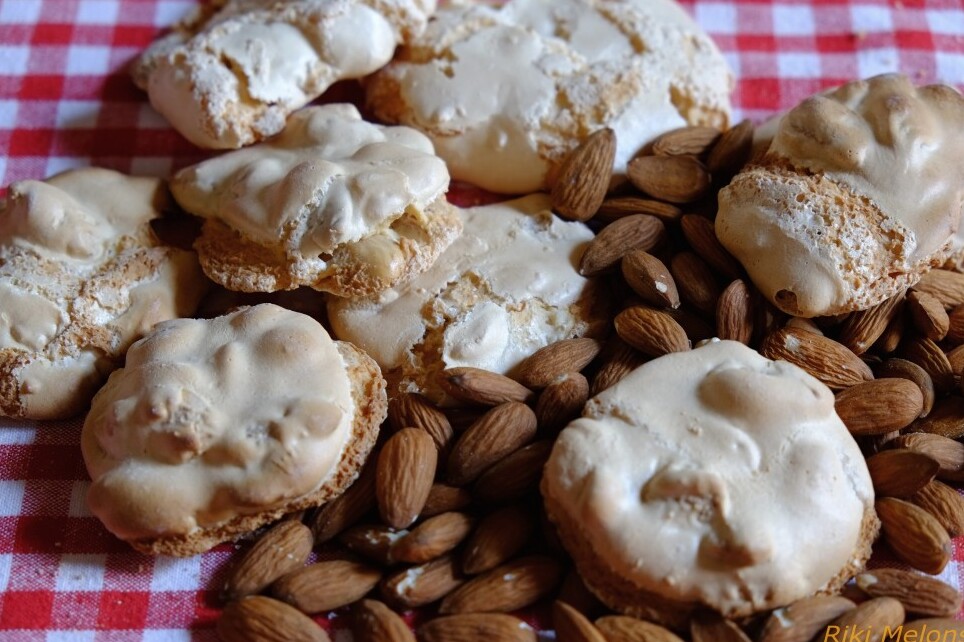
In the heart of Ferrara, a city steeped in Renaissance splendor, the Mandorlini del Ponte stands as a sweet emblem of local culinary artistry. These delightful biscuits, known as "mandurlin dal pont" in the local dialect, are not just treats; they are a testament to the rich traditions and history that envelop this enchanting city.
The origins of the Mandorlini are steeped in legend and culinary creativity. It is believed that they were first introduced during the visit of Pope Pius IX in 1857, a time when Ferrara was basking in the glow of its historical significance. According to another charming tale, an ice-cream shop assistant in the early 1900s ingeniously crafted these biscuits from leftover egg whites, transforming waste into a beloved delicacy. This blend of practicality and innovation reflects the spirit of Ferrara, a city where history and modernity intersect seamlessly.
Ferrara itself is a canvas of art and architecture, where Gothic and Renaissance influences coalesce. The Estense Castle, with its formidable towers and picturesque moat, serves as a backdrop to the city's artistic narrative. Walking through the cobblestone streets, visitors encounter the Cathedral of Ferrara, an architectural marvel that showcases intricate sculptures and a stunning façade. Inside, the Basilica di San Giorgio houses remarkable frescoes and artworks, highlighting the city's devotion to the arts.
Local culture in Ferrara is rich with traditions and customs that celebrate its historical legacy. The city hosts the Palio di Ferrara, a thrilling horse race that revives medieval traditions and pits various city districts against each other in a spirited competition. The festival, held in May, draws both locals and visitors alike, creating an atmosphere of festivity and camaraderie. Such events are not merely spectacles; they are vibrant expressions of identity and community that connect the past with the present.
Gastronomically, Ferrara is a treasure trove of flavors, deeply influenced by its agricultural surroundings. While indulging in Mandorlini, visitors can also savor Cappellacci di zucca, a pumpkin-filled pasta dish that encapsulates the region's culinary heritage. Pair this with a glass of Pignoletto, a local sparkling white wine, and you have a quintessential Ferrara dining experience. The city's markets, bustling with fresh produce and artisanal goods, provide an authentic taste of its culinary landscape.
Beyond the well-known attractions, Ferrara harbors lesser-known curiosities that add depth to its allure. For instance, the Palazzo dei Diamanti, renowned for its diamond-shaped stone façade, is not just an architectural gem; it also hosts the National Gallery of Ferrara, which features works by famous artists such as Titian and Raphael. Additionally, the city's extensive network of bicycle paths invites exploration, allowing visitors to discover hidden corners, quaint cafes, and artisanal shops that are often overlooked by the casual tourist.
The best time to visit Ferrara is during the spring or early autumn when the city basks in mild weather and vibrant local festivals. May and September are particularly enchanting, as the landscape bursts into color and local events bring the streets to life. For a truly immersive experience, consider wandering through the Via delle Volte, a picturesque street lined with medieval arches, or exploring the serene banks of the Po River.
When visiting, be sure to sample the Mandorlini del Ponte at local bakeries, where the aroma of freshly baked treats fills the air. Each bite offers a glimpse into Ferrara's culinary soul, combining tradition with the flavors of the region.
As you plan your adventure to this historical gem, consider using the Secret World app to create a personalized itinerary that captures the essence of Ferrara.
