
← Back

the Manti or Turkish dumplings

Tomtom, Kumbaracı Ykş. No:66, 34433 Beyoğlu/İstanbul, Turchia ★★★★☆ 407 views
Pamela Rudi
Kumbaracı Ykş. No:66
🏆 AI Trip Planner 2026

Get the free app

Discover the best of Kumbaracı Ykş. No:66 with Secret World — the AI trip planner with 1M+ destinations. Get personalized itineraries, hidden gems and local tips. Free on iOS & Android.

🧠 AI Itineraries 🎒 Trip Toolkit 🎮 KnowWhere Game 🎧 Audio Guides 📹 Videos
Scan to download iOS / Android
Scan for AppGallery Huawei users

About the Manti or Turkish dumplings

the Manti or Turkish dumplings - Kumbaracı Ykş. No:66 | Secret World Trip Planner

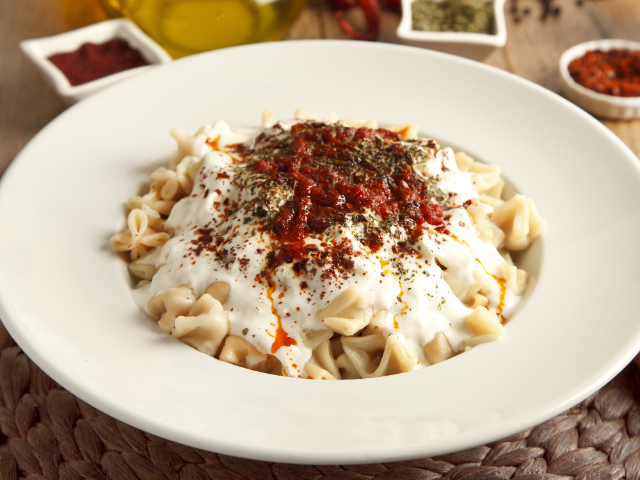
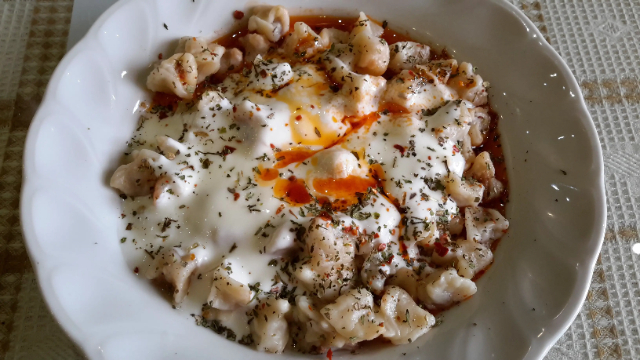
Manti is a traditional Turkish dish consisting of small dumplings stuffed with meat, usually lamb or beef, topped with tomato sauce, melted butter and yogurt.The history of manti dates back to the time of the Ottoman Empire, when it was introduced to Anatolia by the Turkmen cuisine. Originally, manti was prepared for special occasions and holidays, such as weddings and religious celebrations. Over the centuries, it has spread and become a popular dish throughout Turkey.The word "manti" in Turkish comes from the Persian word "manti," which means "sack." This refers to the shape of the dumplings, which resemble small filled bags or packets of dough.The preparation of manti takes time and attention to detail. The dough is rolled out thinly and cut into small squares. The meat filling is placed in the center of each square, after which the corners are folded and sealed, thus creating the characteristic shape of the manti. The manti are then cooked in boiling water until tender.Once cooked, the manti are seasoned with tomato sauce, melted butter and yogurt. The tomato sauce gives a sweet and sour flavor, the melted butter gives richness and softness, and the yogurt brings a creamy and cool note. Sometimes, manti are also sprinkled with spices such as red pepper or dried mint to add additional flavor.Manti is a popular dish in Turkey and is often eaten as a main dish or appetizer. It is a dish that brings warmth and comfort, especially during the colder months of the year.If you have the opportunity to visit Turkey, I highly recommend sampling manti in a traditional restaurant or local home. It is a unique culinary experience that will allow you to immerse yourself in Turkish culture and culinary tradition.I hope you found this brief foray into the history and preparation of manti interesting. Enjoy your meal!
the Manti or Turkish dumplings - Kumbaracı Ykş. No:66 | Secret World Trip Planner
🗺 AI Trip Planner

Plan your visit to Kumbaracı Ykş. No:66

Suggested itinerary near the Manti or Turkish dumplings

MAJ+
500.000+ travelers worldwide
  1. 🌅
    Morning
    the Manti or Turkish dumplings
    📍 Kumbaracı Ykş. No:66
  2. ☀️
    Afternoon
    Spice Bazaar
    📍 1.5 km · Kumbaracı Ykş. No:66
  3. 🌆
    Evening
    The Sublime Gate
    📍 2 km · Kumbaracı Ykş. No:66

Buy Unique Travel Experiences

Powered by Viator

See more on Viator.com

Explore nearby · Kumbaracı Ykş. No:66

Frequently Asked Questions

Manti is a traditional Turkish dumpling dish consisting of small dough squares stuffed with meat, typically lamb or beef. The cooked dumplings are topped with tomato sauce, melted butter, and yogurt, creating a dish that balances sweet, rich, and creamy flavors.
The word 'manti' comes from the Persian word meaning 'sack,' which perfectly describes the dumpling's appearance. The dough corners are folded and sealed to create small filled packets that resemble bags, giving the dish its distinctive name and shape.
Manti is especially popular during colder months when it brings warmth and comfort, making autumn and winter ideal times to enjoy it. For the most authentic experience, visit a traditional Turkish restaurant or local home where manti is prepared fresh, allowing you to fully immerse yourself in Turkish culinary culture.
Manti dates back to the Ottoman Empire, when it was introduced to Anatolia through Turkmen cuisine and was originally prepared for special occasions like weddings and religious celebrations. Over centuries, it has evolved from a special occasion dish into a popular everyday meal throughout Turkey.
The preparation involves rolling dough thinly, cutting it into small squares, filling with meat, and folding the corners to seal the characteristic shape before boiling in water until tender. Traditional seasonings include red pepper and dried mint sprinkled on top, which add depth to the tomato sauce, butter, and yogurt base.
