



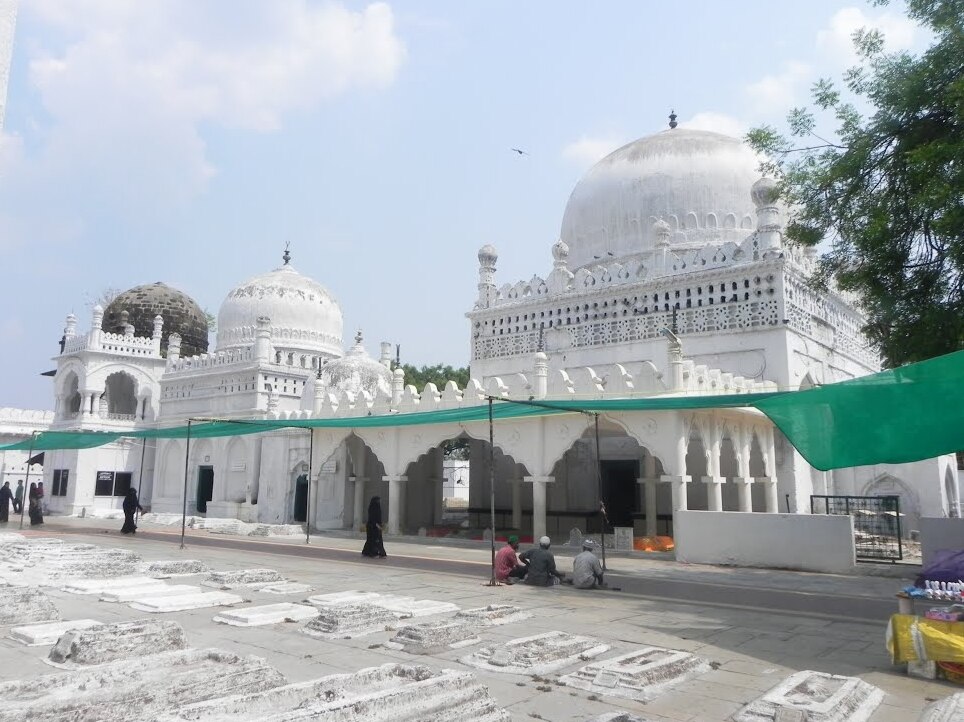
Nestled in the heart of Gulbarga, India, the Mausoleum of Khwaja Banda Nawaz stands as a testament to the rich tapestry of Sufi heritage and Indo-Persian architecture. This revered site, dedicated to the Sufi saint Hazrat Khwaja Bande Nawaz, is not only a spiritual sanctuary but also a vibrant cultural hub that has drawn pilgrims and scholars alike since its establishment in the 15th century.
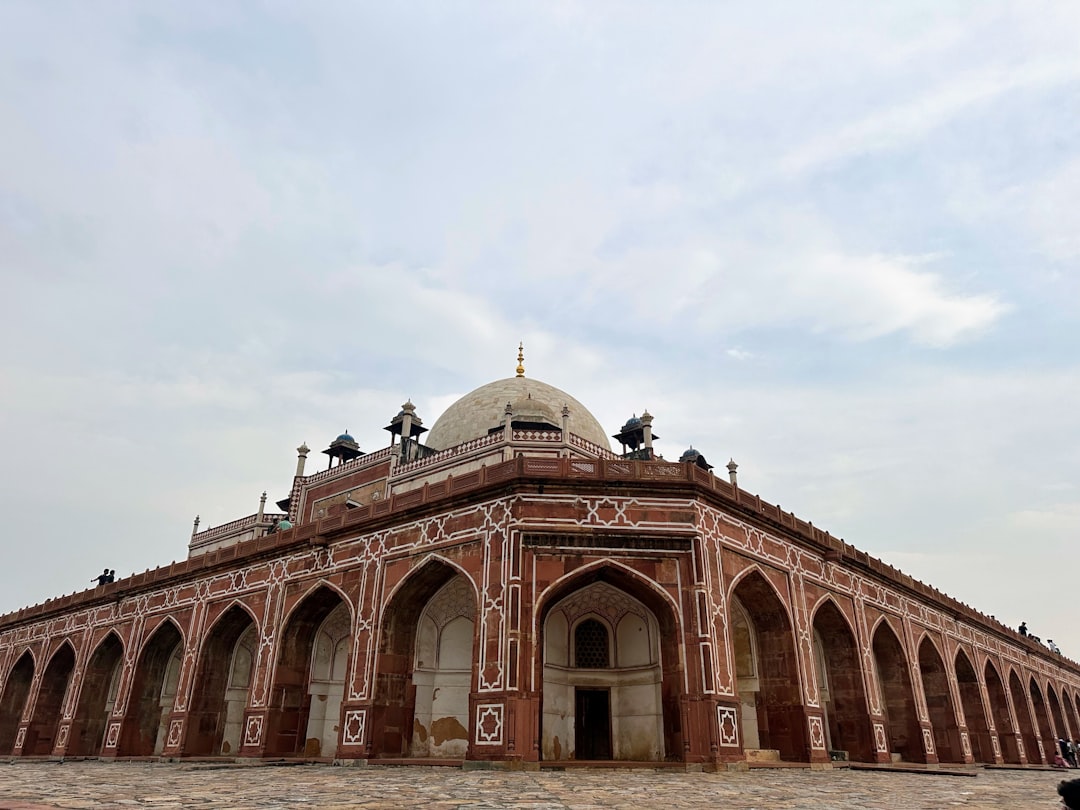
The history of this mausoleum is deeply intertwined with the legacy of Khwaja Banda Nawaz Gesu Daraz, a prominent figure in the Chishti order of Sufism. Born in Delhi in 1321, he became a disciple of the renowned Sufi saint, Hazrat Nasiruddin Chiragh Dehlavi. After the fall of the Tughlaq dynasty, Khwaja Banda Nawaz moved to Gulbarga, then part of the Bahmani Sultanate, where he continued to preach and guide his followers until his death in 1422. His teachings emphasized love, tolerance, and the unity of all religions, leaving a lasting impact on the region’s spiritual landscape.
The art and architecture of the mausoleum reflect a harmonious blend of Indian and Persian influences. The structure’s intricate details, from its graceful arches to the expansive dome, showcase the architectural prowess of the period. Notably, the site houses a stunning library with over 10,000 books in Urdu, Arabic, and Persian, including rare manuscripts that provide insight into Islamic philosophy, theology, and history.
Local culture and traditions surrounding the mausoleum are vibrant and diverse. Each year, the Urs festival commemorates the saint’s death anniversary, attracting thousands of devotees who participate in prayers, Qawwali music performances, and community feasts. This lively event underscores the mausoleum's role as a cultural epicenter in Gulbarga, fostering a sense of community and spiritual enlightenment.
The gastronomy of Gulbarga is as rich as its history, with local cuisine deeply influenced by Mughal and Persian flavors. Visitors can savor dishes like Biryani, a fragrant rice dish infused with spices, and Haleem, a hearty stew made from meat, lentils, and wheat. These culinary delights offer a taste of the region’s cultural fusion and hospitality.
Among the lesser-known curiosities of the mausoleum is the story of its construction, which allegedly involved guidance from the saint himself in a dream to a local ruler. Another fascinating detail is the presence of inscriptions in multiple languages, reflecting the multicultural dialogue that characterized Khwaja Banda Nawaz’s teachings.
For those planning to visit, the best time is during the cooler months from October to March. To fully appreciate the site, visitors should take time to explore the library and engage with the local guides who can provide deeper insights into the mausoleum’s history and spiritual significance.
For a truly personalized journey through Gulbarga and beyond, consider using the Secret World app to craft your own AI-tailored itinerary.
