
🎄 Win a month in Italy for two — €10,000 · The Secret Italy Prize GO →
The May 18 National Cemetery in Gwangju: A Place of Remembrance — Kwangju
← Back
Parks and gardens 📍 Kwangju, 동림동 51-1

The May 18 National Cemetery in Gwangju: A Place of Remembrance

In the heart of Gwangju, a city that shines for its culture and history, stands the May 18 National Cemetery. This sacred place is dedicated to the martyrs of the Gwangju Uprising, a crucial event for democracy in South Korea. Inaugurated in 1997, the cemetery represents not only...

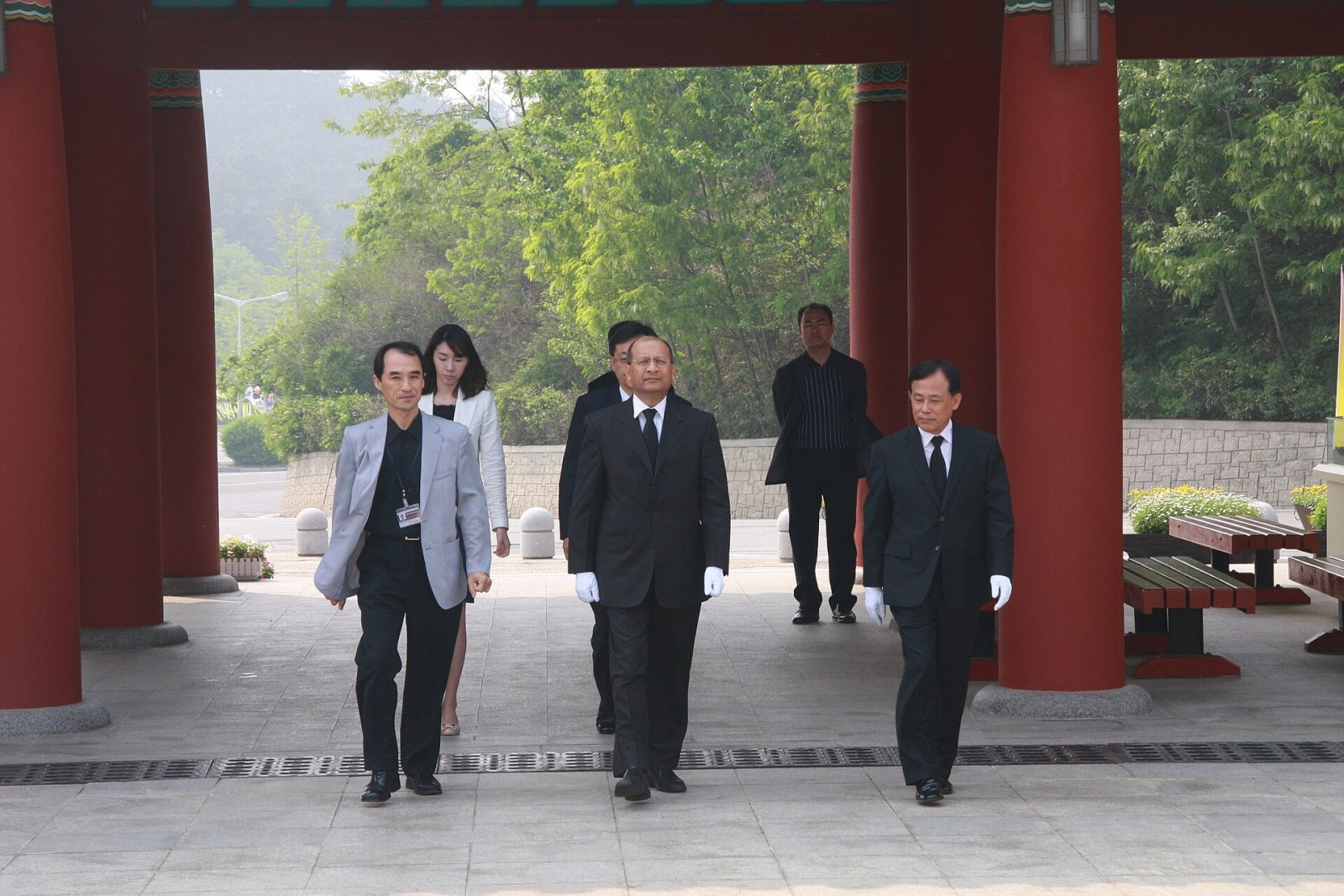
Photo · Rania N.

The May 18 National Cemetery in Gwangju: A Place of Remembrance — Kwangju, 동림동 51-1.

Location
Kwangju
Type
Parks and gardens
Opening hours
Weather now
↗ Directions

About The May 18 National Cemetery in Gwangju: A Place of Remembrance

The May 18 National Cemetery in Gwangju: A Place of Remembrance - Kwangju | Secret World Trip Planner

In the heart of Gwangju, a city that shines for its culture and history, stands the May 18 National Cemetery. This sacred place is dedicated to the martyrs of the Gwangju Uprising, a crucial event for democracy in South Korea. Inaugurated in 1997, the cemetery represents not only a resting place for those who sacrificed their lives but also a symbol of the struggle for freedom and human rights.

Every year, in May, citizens visit this cemetery to pay tribute to the deceased, reflecting on the importance of historical memory and civic engagement. A visit to the cemetery offers a unique opportunity to understand the roots of South Korean democracy and the significance of resistance against oppression.

History and Origins

The Gwangju Uprising, which took place in 1980, represents a crucial moment in South Korean history. This popular uprising was a response to the violent repression by the government of Chun Doo-hwan, which led to the deaths of many citizens. The May 18 National Cemetery arose on the site of a previous cemetery, Mangweol-dong, where the martyrs of this struggle for democracy were initially buried. The creation of this new cemetery marked an important step towards reconciliation and the commemoration of a dark period in South Korean history.

Over the years, the cemetery has become a symbol of hope and resistance. The government's willingness to transform this place into a democratic sanctuary has helped solidify the collective memory of an entire nation. The history of the cemetery is intrinsically linked to the political and social changes that have characterized South Korea in recent decades.

Elements to Observe

✦ Secret World · suggested day

A perfect day in Kwangju

Start with The May 18 National Cemetery in Gwangju: A Place of Remembrance, then continue with nearby places selected by Secret World.

  1. 01
    Morning
    The May 18 National Cemetery in Gwangju: A Place of Remembrance
    📍 Kwangju
    Start here
  2. 02
    Afternoon
    📍 2.8 km away
  3. 03
    Evening
    📍 12.3 km away

Collect this place

Turn places you discover into stamps in your Secret Passport.

Open Secret Passport →

Keep exploring · Kwangju

Frequently Asked Questions

The best time to visit is in May, when citizens gather to pay tribute to the martyrs and reflect on the Gwangju Uprising's historical significance. This period offers a meaningful experience to understand the importance of historical memory and civic engagement in South Korean democracy.
The cemetery was inaugurated in 1997 to honor the martyrs of the Gwangju Uprising of 1980, a popular uprising against the violent repression by Chun Doo-hwan's government. It was built on the site of Mangweol-dong, the original cemetery where the democratic struggle's victims were initially buried, and now serves as a symbol of hope and resistance for the entire nation.
A visit to the cemetery offers a unique opportunity to understand the roots of South Korean democracy and the significance of resistance against oppression during a dark period in the nation's history. The site represents both a resting place for those who sacrificed their lives and a symbol of the struggle for freedom and human rights that shaped modern South Korea.
The cemetery was created as an important step towards reconciliation and the commemoration of the Gwangju Uprising's victims, marking the government's commitment to transforming the site into a democratic sanctuary. It solidified the collective memory of the nation and helped acknowledge the political and social changes that have characterized South Korea in recent decades.
The cemetery is a sacred place dedicated to the martyrs of the 1980 Gwangju Uprising and has become a powerful symbol of hope, resistance, and the struggle for freedom and human rights in South Korea. It serves as a testament to the importance of historical memory and civic engagement in maintaining a democratic society.

Experiences nearby · Kwangju

Powered by Viator

See more on Viator.com

Secret World Hidden places, real stories — plan your trip
Get the app
