
← Back

The medieval town of Alcalá del Júcar

Alcalá del Júcar, Provincia di Albacete, Spagna ★★★★☆ 238 views
Rania Carter
Alcalá del Júcar
🏆 AI Trip Planner 2026

Get the free app

Discover the best of Alcalá del Júcar with Secret World — the AI trip planner with 1M+ destinations. Get personalized itineraries, hidden gems and local tips. Free on iOS & Android.

🧠 AI Itineraries 🎒 Trip Toolkit 🎮 KnowWhere Game 🎧 Audio Guides 📹 Videos
Scan to download iOS / Android
Scan for AppGallery Huawei users

About The medieval town of Alcalá del Júcar

The medieval town of Alcalá del Júcar - Alcalá del Júcar | Secret World Trip Planner

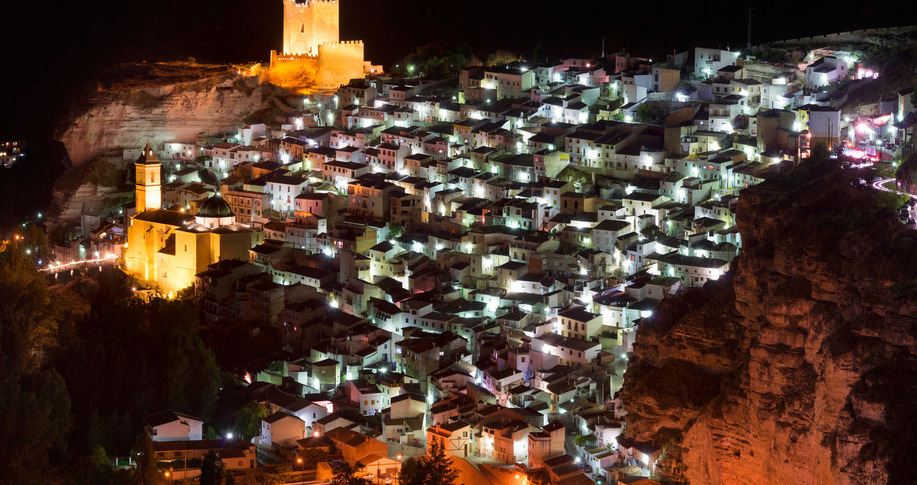
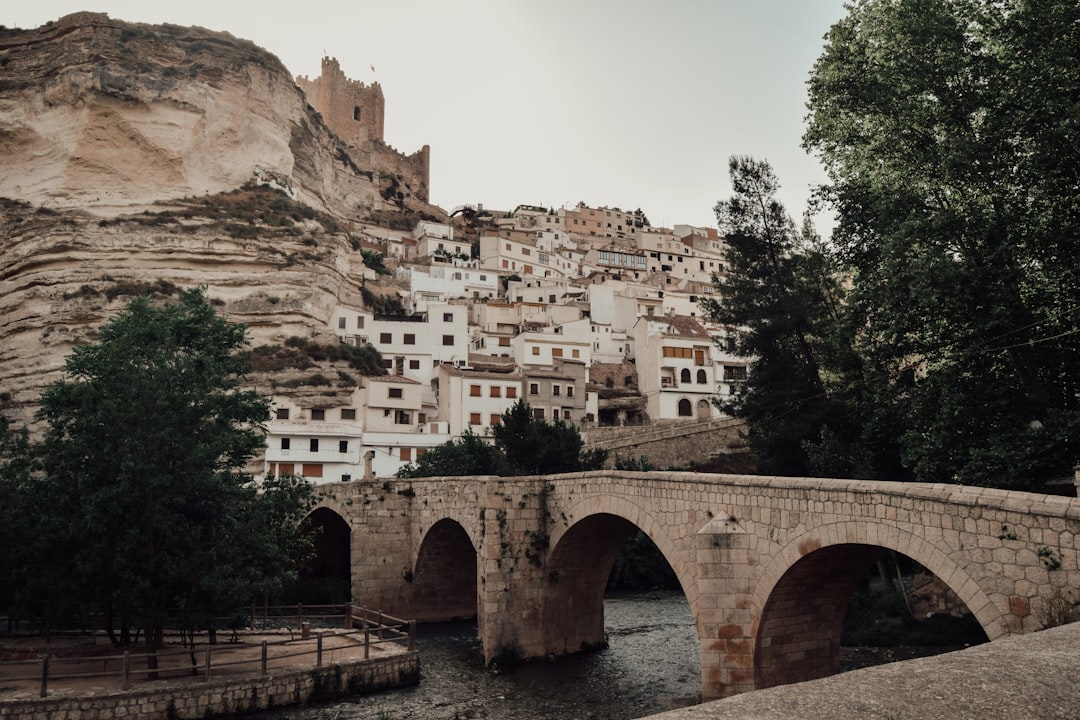
Nestled in the rugged hills of Albacete, the medieval town of Alcalá del Júcar is a mesmerizing blend of history, architecture, and authentic Spanish culture. This enchanting village, with its striking houses carved directly into the rock, transports visitors back to its Moorish roots. The town's name, Alcalá, derived from the Arabic word for ‘fortress,’ reflects its storied past, having been a significant settlement during the Moorish occupation of the Iberian Peninsula.

The medieval town of Alcalá del Júcar - Alcalá del Júcar | Secret World Trip Planner

### History and Origins Alcalá del Júcar's history dates back to the 10th century, when it flourished as a Moorish settlement. This region was strategically important, serving as a lookout and defense point against Christian forces during the Reconquista. The 12th-century Arab fortress, still visible today, sits majestically atop the canyon, offering panoramic views of the surrounding landscape. The fortification symbolizes the town's resilience through centuries of conflict and change.

In the 13th century, Alcalá del Júcar was captured by Christian forces during the reign of King Alfonso X, marking a significant shift in its historical trajectory. Over the following centuries, the town evolved, incorporating architectural styles from various cultures that passed through its gates.

### Art and Architecture One of Alcalá del Júcar's most striking features is its unique architecture. The houses, hewn from the rock face, create a spectacular sight, blending seamlessly with the natural landscape. This method of construction not only showcases the ingenuity of its inhabitants but also serves a practical purpose, maintaining a stable temperature in the often sweltering summer heat.

The town's Moorish influences are evident in the remaining structures, particularly in the Church of San Andrés, which dates back to the 16th century. Its intricate altarpiece and design elements reflect a fusion of styles, embodying both Gothic and Mudejar artistry. Meanwhile, the bullfighting arena, one of the oldest in Spain, features an irregular shape that sets it apart from traditional venues, offering a glimpse into the local cultural practices.

### Local Culture and Traditions Alcalá del Júcar is not just a historical site; it is a vibrant community filled with rich traditions. The locals celebrate several festivals throughout the year, with the most notable being the Fiestas de San Andrés in late November. This festival honors the town's patron saint and features lively parades, traditional music, and plenty of food.

Another significant event is the Noche de San Juan, celebrated on the night of June 23rd. Locals gather by the river to light bonfires, symbolizing purification and the welcoming of summer. These festivities offer visitors a chance to engage with the community and experience the warmth of Alcalá del Júcar's culture.

### Gastronomy No visit to Alcalá del Júcar is complete without indulging in its culinary delights. The region is known for its hearty gastronomy, heavily influenced by both Spanish and Moorish traditions. One must-try dish is Gazpacho Manchego, a flavorful rabbit stew served with flatbread. Another local specialty is Migas, a dish made from leftover bread, often accompanied by chorizo or fried eggs.

For those with a sweet tooth, Turrón—a type of nougat made from almonds—originates from this region, particularly around the festive seasons. Pair these dishes with a glass of local wine, and you’ll be savoring the very essence of Alcalá del Júcar.

### Lesser-known Curiosities While Alcalá del Júcar is filled with history, it also harbors intriguing hidden gems. Few know that the town has a network of caves used by ancient inhabitants. These caves not only served as dwellings but also as storage areas, maintaining a cool environment throughout the year.

Another curious fact is the town's unique bullfighting arena. Unlike traditional circular bullrings, Alcalá's arena is designed in an irregular shape, a testament to the town's creative spirit and cultural identity. Visitors often miss these details, which are key to understanding the town's character.

### Practical Visitor Information The best time to visit Alcalá del Júcar is during the spring and autumn months when the weather is pleasantly mild. Summer can be quite hot, though the caves offer a respite from the heat. When exploring, be sure to take a leisurely walk along the Júcar River for stunning views of the town and the canyon.

For those interested in local crafts, there are several workshops where traditional pottery and other artisan goods are made. Engaging with local artisans can provide insight into the region's cultural heritage.

### Conclusion Alcalá del Júcar, with its dramatic landscapes, rich history, and vibrant culture, is a captivating destination that invites exploration and adventure. Don't miss the opportunity to uncover its stories and savor its flavors. For a personalized journey through this enchanting medieval town, consider using the Secret World app to craft your itinerary.

🗺 AI Trip Planner 2026

Plan your visit to Alcalá del Júcar

Suggested itinerary near The medieval town of Alcalá del Júcar

MAJ+
500.000+ travelers worldwide
  1. 🌅
    Morning
    The medieval town of Alcalá del Júcar
    📍 Alcalá del Júcar
  2. ☀️
    Afternoon
    Castle of Alcalá del Júca
    📍 0.1 km · Alcalá del Júcar

Buy Unique Travel Experiences

Powered by Viator

See more on Viator.com

Explore nearby · Alcalá del Júcar

Frequently Asked Questions

The houses were hewn directly from the rock face as a practical construction method that maintains stable temperatures during hot summers, while also showcasing the ingenuity of the town's inhabitants. This unique architectural style blends seamlessly with the natural landscape and is one of the town's most striking features.
The name 'Alcalá' is derived from the Arabic word for 'fortress,' reflecting the town's Moorish origins and its strategic importance during the 10th century when it flourished as a significant Moorish settlement. The town served as a lookout and defense point against Christian forces during the Reconquista period.
The fortress sits majestically atop the canyon and still remains visible today, offering panoramic views of the surrounding landscape and the town below. This fortification symbolizes the town's resilience through centuries of conflict and serves as a testament to its strategic importance during the Moorish occupation.
The town was captured by Christian forces in the 13th century during the reign of King Alfonso X, marking a significant shift in its historical trajectory. After this conquest, the town evolved and incorporated architectural styles from various cultures that passed through its gates.
The Church of San Andrés, dating back to the 16th century, features a fusion of Gothic and Mudejar artistry, with intricate design elements reflecting both styles. This beautiful structure showcases the Moorish influences that remain evident throughout Alcalá del Júcar's architectural heritage.
