
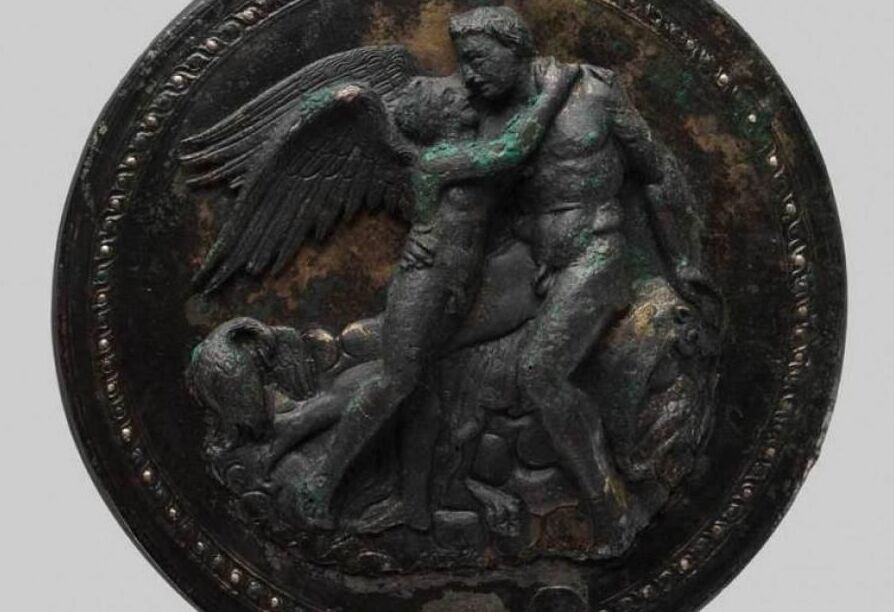

Nestled in the tranquil hills of Vergina, Greece, lies a treasure trove of ancient history waiting to be explored: the mirror of Eros. This small bronze masterpiece, unearthed from the tomb of a young girl dating back to the 4th century BC, embodies a poignant tale of love and loss. Archaeologists speculate that the mirror was a heartfelt gift from her parents, meant to accompany her on her final journey into the afterlife. Alongside this exquisite artifact, her tomb was adorned with gold ornaments, earrings, and beads, a testament to the wealth and significance of her family.
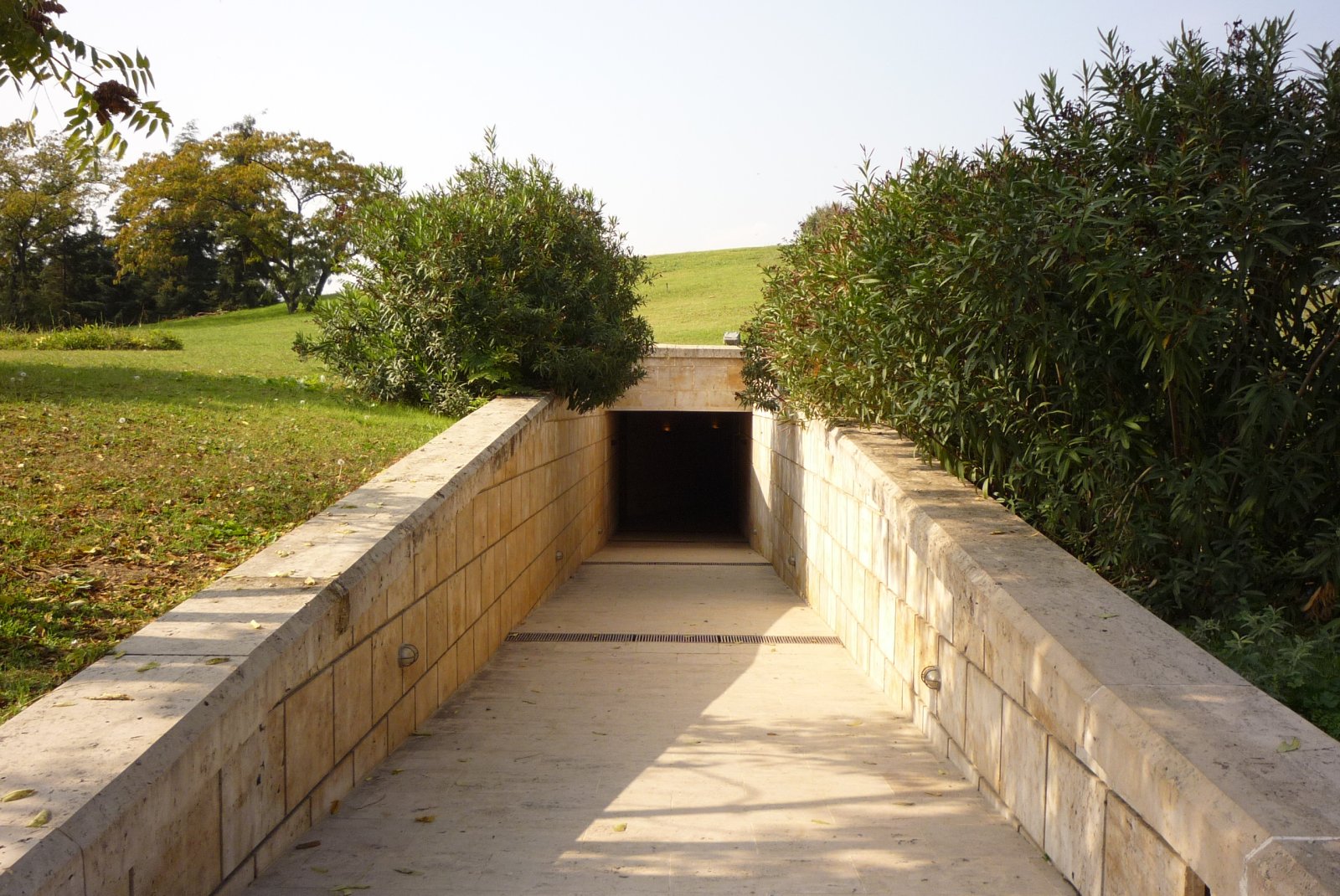
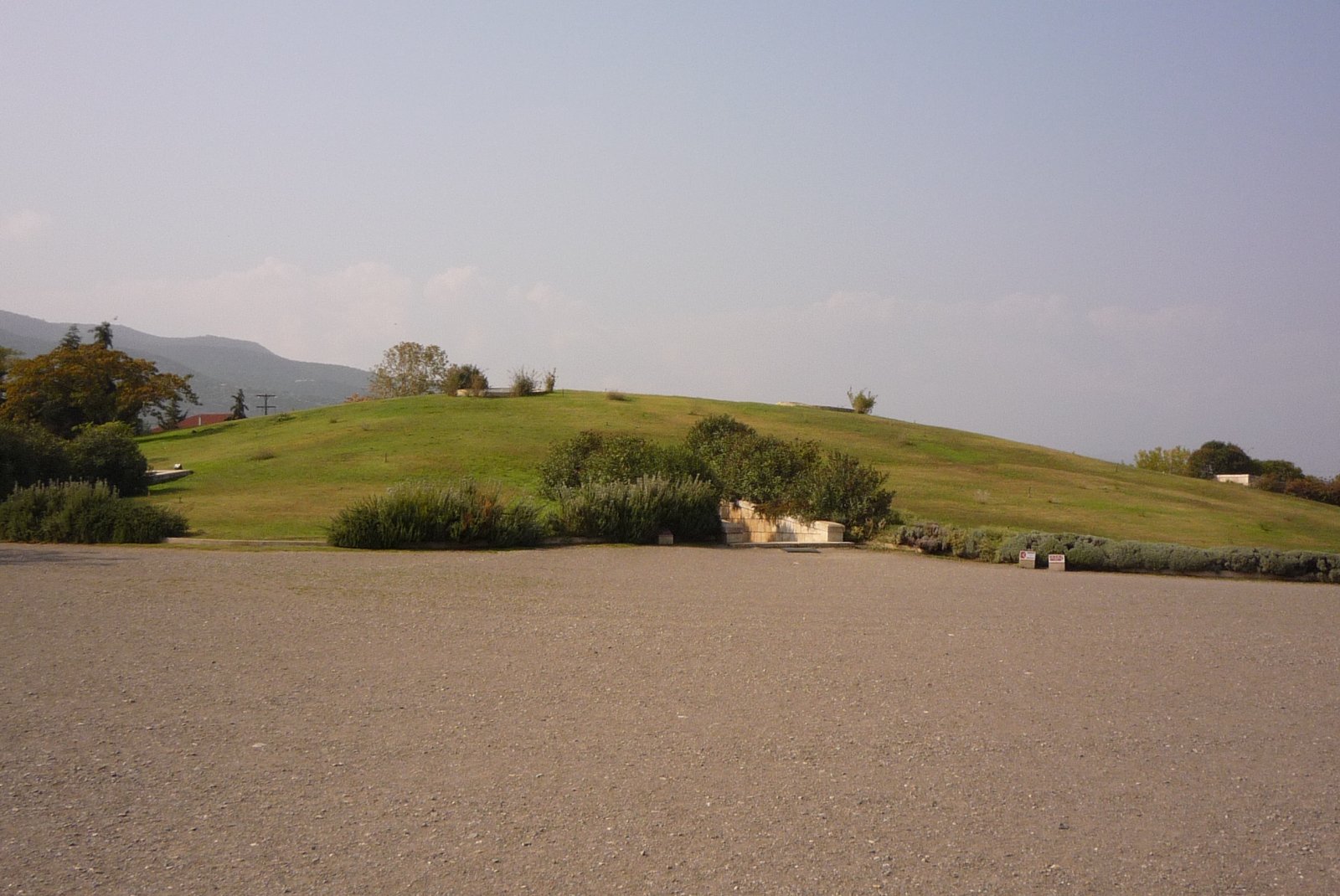
The necropolis of Aegae, where this mirror was discovered, played a crucial role in the ancient world. Aegae, known as the first capital of the ancient Macedonian kingdom, was the burial site for many of its royal figures, including Philip II, the father of Alexander the Great, and Alexander himself. The site was a vibrant hub of activity, with twenty-one graves identified, six of which remain unlooted. This preservation has allowed archaeologists to piece together a rich narrative of a civilization that shaped much of Western history.
The artistry of the mirror itself is remarkable. The lid depicts a tender moment between Eros, the god of love, and Dionysus, the god of wine and ecstasy. Eros, portrayed as a youthful child, is shown flying toward Dionysus, symbolizing the intertwining of love and passion—a theme prevalent in ancient Greek art. This intricate design not only highlights the skilled craftsmanship of the period but also reflects the societal values and beliefs of the time, where gods personified various aspects of human experience. The Hellenistic style evident in such works marks a significant evolution in art, moving towards emotional expression and complex narratives.
In addition to its historical significance, Vergina boasts a vibrant local culture steeped in traditions that date back centuries. The village itself is known for its warm hospitality and rich folklore. Festivals celebrating local saints, particularly Saint Demetrius, draw visitors with their lively parades, traditional music, and the sharing of regional delicacies. The community places a strong emphasis on preserving its heritage through storytelling and local crafts, ensuring that the spirit of ancient Macedonia lives on.
Speaking of local delicacies, Vergina is home to a delightful array of traditional Greek cuisine. One must try the moussaka, a baked dish layered with eggplant, minced meat, and béchamel sauce, offering a taste of authentic Greek flavors. Complementing this is kleftiko, slow-cooked lamb marinated in lemon and herbs, which is a favorite among locals. For those with a sweet tooth, baklava—a rich pastry filled with nuts and honey—offers a delightful end to any meal. Pair any dish with retsina, a traditional Greek wine infused with pine resin, for a truly local experience.
As you stroll through the archaeological site, you might encounter lesser-known curiosities that add depth to your visit. For instance, did you know that the royal tombs of Vergina were only discovered in 1977 by archaeologist Manolis Andronikos? His groundbreaking work revealed not just the tombs but also a series of intricate frescoes and gold artifacts that painted a vivid picture of Macedonian life. Furthermore, the site is often overshadowed by more prominent archaeological locations, such as Athens or Delphi, allowing visitors a more intimate exploration of its wonders without the crowds.
For those planning a visit, the best time to explore Vergina is during the spring and autumn months when the weather is mild and the landscape is adorned with blooming wildflowers. The archaeological site is open year-round, but visiting during these seasons offers a more pleasant experience. Be sure to take your time as you wander through the museum, which houses many of the artifacts discovered in the tombs, providing context to the glass case of the mirror of Eros and its surrounding treasures.
Don’t forget to engage with the local guides; their knowledge and stories can enrich your understanding and appreciation of the site’s significance.
With its blend of history, art, and culture, Vergina offers a unique glimpse into the heart of ancient Macedonia. As you plan your journey, consider using the Secret World app to craft a personalized itinerary that captures the essence of this remarkable place.


