


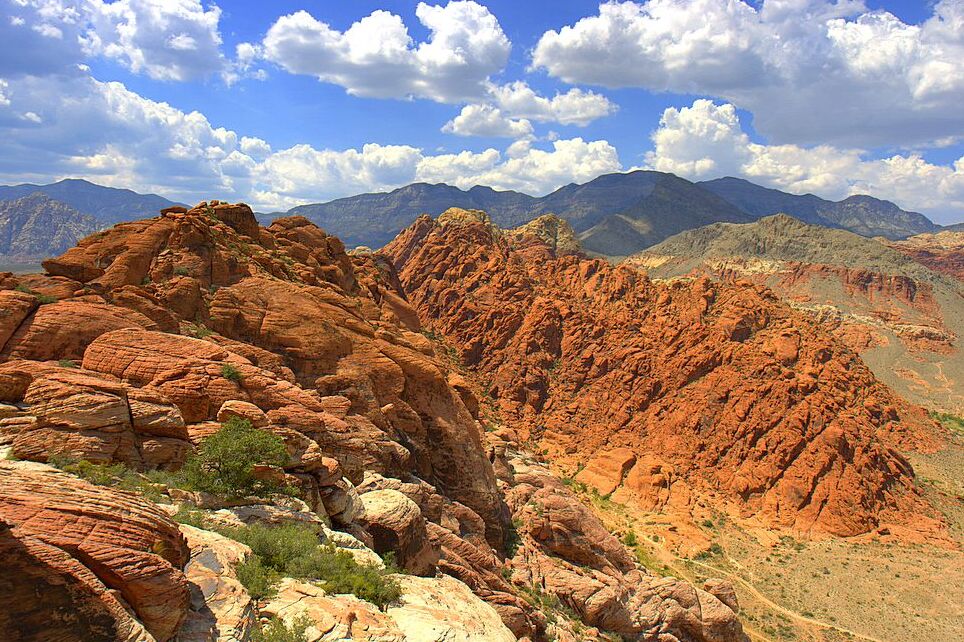
The Mojave Desert is a captivating expanse located primarily in California, but also stretching into Nevada and Arizona. This mesmerizing landscape, framed by the rugged Sierra Nevada and the San Bernardino Mountains, boasts a rich tapestry of history, culture, and natural beauty that beckons visitors from around the globe.

### History and Origins Long before European settlers embarked on their journeys of exploration, the Mojave Desert was home to the Chemehuevi and Serrano tribes. These indigenous peoples thrived in the arid conditions, expertly utilizing the land for hunting and gathering. They hunted deer and bighorn sheep, and harvested plants like agave, which served as a vital food source. Their profound connection to the desert is evident in the petroglyphs that adorn rock faces, telling stories of their ancestors.
In the 19th century, the Mojave Desert gained notoriety during the California Gold Rush. The discovery of gold in 1848 led to an influx of prospectors and settlers, drastically changing the landscape. Towns like Calico Ghost Town, once bustling with miners, now stand as echoes of a bygone era, offering a glimpse into the challenges faced by those who sought fortune in this harsh environment.

### Art and Architecture The Mojave Desert is not only a natural wonder; it also serves as a canvas for artistic expression. The architecture in this region is a blend of rustic charm and modern innovation, with structures that pay homage to the desert’s rugged beauty. Notable examples of architecture include the Joshua Tree Music Festival venue and the Noah Purifoy Outdoor Desert Art Museum, where large-scale installations made from discarded materials reflect the region's unique culture.
Additionally, artist Andrea Zittel has transformed her desert home into a living art piece, where visitors can experience the intersection of art and daily life. Each outdoor installation is a commentary on human existence, sustainability, and the relationship between people and their environment.
### Local Culture and Traditions Cultural traditions in the Mojave Desert are rooted in the land and its history. The Joshua Tree Music Festival, held twice a year, celebrates the local arts scene, featuring performances from a diverse array of musicians. This festival not only highlights the creativity of the region but also fosters a sense of community among residents and visitors alike.
Moreover, the Mojave Desert is home to the Annual California Route 66 Festival, celebrating the iconic highway that runs through the heart of the desert. This festival showcases classic cars, live music, and local food, inviting everyone to partake in the nostalgia of a bygone era.
### Gastronomy The culinary landscape of the Mojave Desert is as varied as its terrain. Traditional dishes often reflect the influences of indigenous and settler cultures. Visitors can savor Sonoran-style tacos filled with grilled meats and fresh salsas at local roadside stands. Don’t miss out on trying the agave nectar, a sweetener derived from a native plant, which can be found in many local recipes.
Moreover, the desert hosts unique dining experiences, such as the Crossroads Café in Joshua Tree, serving locally sourced ingredients in a warm, welcoming atmosphere. Pair your meal with a refreshing craft beer from the local Joshua Tree Brewing Company, offering flavors inspired by the desert landscape.
### Lesser-Known Curiosities While many flock to iconic sights like Joshua Tree National Park, there are hidden gems scattered throughout the Mojave Desert. One such curiosity is the Kelso Dunes, where visitors can hear a mysterious booming sound as they walk on the sand. This phenomenon occurs when the sand grains are just the right size, allowing them to create sound waves as they shift.
Another lesser-known fact is the desert's role in the development of the Nuclear Test Site during the Cold War era. Today, remnants of this history can be explored at the Nevada Test Site, where guided tours provide insight into a critical period of American history.
### Practical Visitor Information The best time to visit the Mojave Desert is during the spring (March to May) and fall (September to November) when temperatures are milder and the flora is in bloom. Be prepared for temperature swings; while days can be warm, nights often drop to chilly levels.
For a fulfilling experience, pack plenty of water, sunscreen, and wear sturdy footwear for hiking. Must-see attractions include the Mojave National Preserve, the Kelso Depot, and the stunning Cima Dome featuring its unique Joshua Trees.
As you prepare for your adventure, consider exploring the Secret World app, a perfect tool for crafting a personalized itinerary through this enchanting desert landscape, ensuring you don’t miss its hidden treasures.
