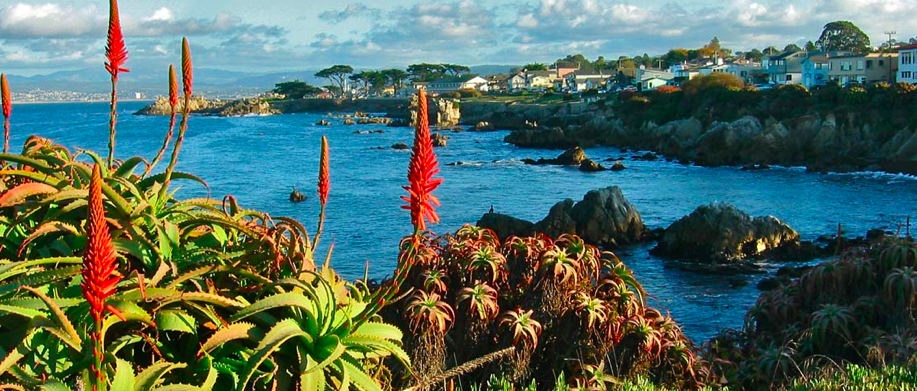

The Monterey Peninsula is a captivating blend of rugged coastline, rich history, and artistic charm that draws visitors seeking both relaxation and adventure. Here, time seems to slow down, allowing you to soak in the stunning views and the unique atmosphere that distinguishes this corner of California.
### History and Origins
The history of the Monterey Peninsula is as deep as the blue waters that surround it. Long before European explorers arrived, the area was inhabited by the Ohlone people, who thrived on its abundant marine life and rich natural resources. In 1602, Spanish explorer Sebastián Vizcaíno arrived, naming the bay after Saint Charles, or Monterey. The area saw rapid changes with the establishment of Monterey as California's capital in 1777, leading to the construction of missions and presidios.
By the mid-19th century, the California Gold Rush brought an influx of settlers, transforming the region into a bustling community. The Monterey Conference of 1849, which laid the groundwork for California's statehood, further solidified its historical significance. Over the years, the peninsula evolved, attracting artists and writers like John Steinbeck, whose works highlighted the area’s natural beauty.
### Art and Architecture
Architecturally, the Monterey Peninsula showcases a mix of styles that reflect its diverse cultural heritage. The quaint cottages of Carmel-by-the-Sea embody a storybook charm, with their fairy-tale architecture designed by local artisans. The Carmel Mission, founded in 1770, is a stunning example of Spanish Colonial architecture. Its beautifully restored chapel stands as a testament to the region's rich history.
In contrast, the opulent Pebble Beach region features grand estates that overlook the Pacific Ocean, showcasing luxurious architectural designs. Art enthusiasts will appreciate the Monterey Museum of Art, which houses an impressive collection focusing on California artists and the local marine environment. The museum serves as a cultural hub, hosting exhibitions that celebrate the area's artistic legacy.
### Local Culture and Traditions
The culture of the Monterey Peninsula is steeped in traditions and events that celebrate its natural beauty and community spirit. One of the most notable is the Monterey Jazz Festival, held annually since 1958, which draws jazz lovers from around the world to enjoy a weekend of incredible performances.
In Carmel, the annual Carmel Art Festival showcases local artists and their works, turning the town into a vibrant outdoor gallery. The Fiesta de la Virgen de Guadalupe, celebrated in December, honors the region’s Mexican heritage with colorful processions and traditional music, drawing locals and visitors alike.
### Gastronomy
No visit to the Monterey Peninsula is complete without indulging in its culinary delights. The region is famous for its seafood, particularly the clam chowder served in sourdough bread bowls, a staple that reflects the area’s maritime culture. Monterey’s abalone and calamari are renowned, thanks to the region’s rich fishing grounds.
Wine lovers will find a haven in the nearby Paso Robles and Santa Lucia Highlands, known for their exceptional vineyards. Pairing local wines with fresh produce from the Monterey Peninsula’s farmers' markets creates a gastronomic experience that showcases the region's farm-to-table philosophy. Don’t miss the chance to try artisanal cheeses from local creameries, which perfectly complement the area’s wines.
### Lesser-known Curiosities
While the breathtaking coastline and charming towns are well-known, the Monterey Peninsula holds several hidden gems. For instance, Point Lobos State Natural Reserve is often overlooked but offers spectacular hiking trails with stunning views of the Pacific and opportunities to spot sea otters and migrating whales.
Another curiosity is the "Ghost of the Old Whaling Station," a local legend claiming that the spirits of whalers past still roam the historic site, adding a touch of intrigue to its maritime history. Additionally, the Carmel Mission’s cemetery is the final resting place of many notable figures, including Father Junipero Serra, who played a pivotal role in California's mission system.
### Practical Visitor Information
The best time to visit the Monterey Peninsula is during the spring (April to June) and fall (September to November) when the weather is mild and the tourist crowds are smaller. Be sure to check the local calendar for festivals and events to enhance your experience.
For a more immersive visit, consider renting a bicycle to explore the 17-Mile Drive, where you can take in the stunning views at your own pace. Always bring layers; coastal weather can change rapidly, and being prepared will help you enjoy the outdoors comfortably.
Whether you seek adventure along the dramatic cliffs or a peaceful retreat in the lush forests, the Monterey Peninsula promises an unforgettable escape. For a personalized itinerary that captures the essence of this enchanting region, utilize the Secret World app to plan your perfect visit to Del Monte Forest.