



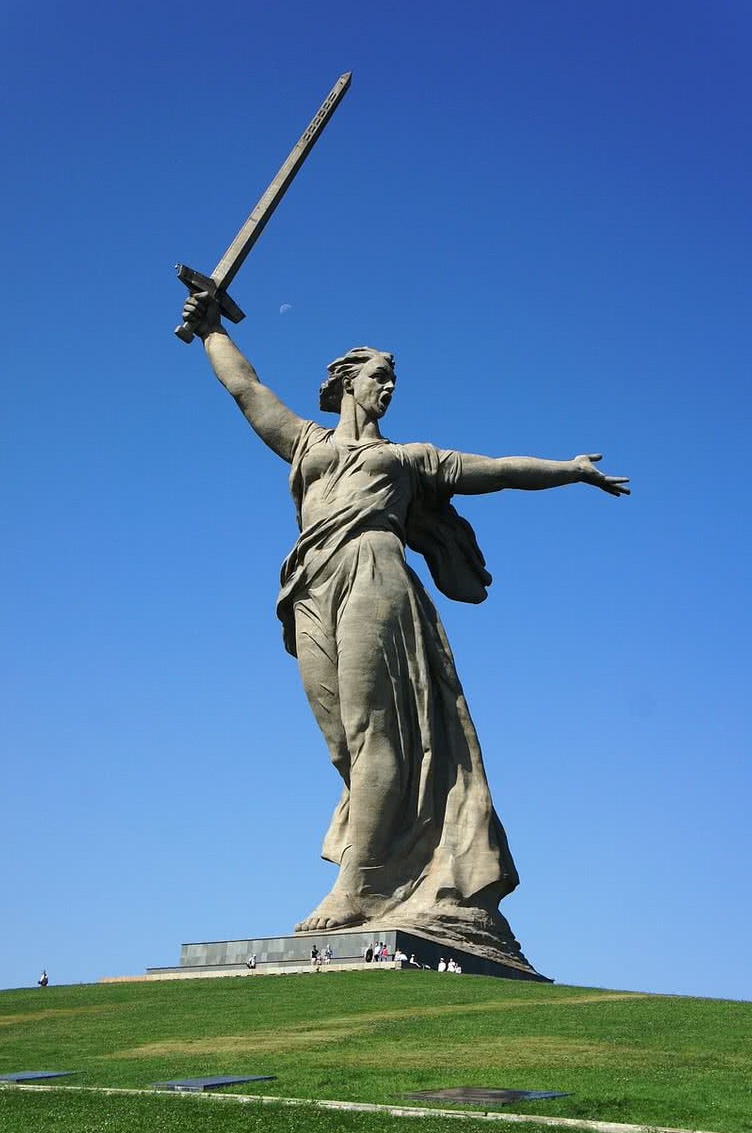
Standing tall over the banks of the Volga River, The Motherland Calls statue in Volgograd, Russia, serves as a powerful reminder of one of the most pivotal battles in World War II — the Battle of Stalingrad. This monumental statue, completed in 1967, pays homage to the resilience and courage displayed by the Soviet Union during the brutal conflict that raged from August 1942 to February 1943. Spanning an astonishing 87 meters in height, with a sword that stretches 33 meters, it is among the tallest statues in the world and symbolizes the unwavering spirit of the motherland during times of war. The statue was designed by the engineer Nikolai Nikitin and sculptor Yevgeny Vuchetich, and its construction involved more than 7,900 tonnes of concrete. Visitors ascend 200 steps leading up to the statue, each representing a day of the fierce battle that claimed the lives of hundreds of thousands of soldiers and civilians alike.
History and Origins The history of Volgograd, originally known as Tsaritsyn, dates back to 1589 when it was established as a fortress to protect the southern borders of Russia. However, it was during the Civil War in the 1920s that Tsaritsyn gained notoriety as a key strategic location. The city was renamed Stalingrad in 1925 in honor of Joseph Stalin, and it became a symbol of Soviet strength. The Battle of Stalingrad marked a turning point in the war, as Soviet forces successfully encircled and defeated the German Army, marking the beginning of a major offensive that would eventually lead to the liberation of Eastern Europe.
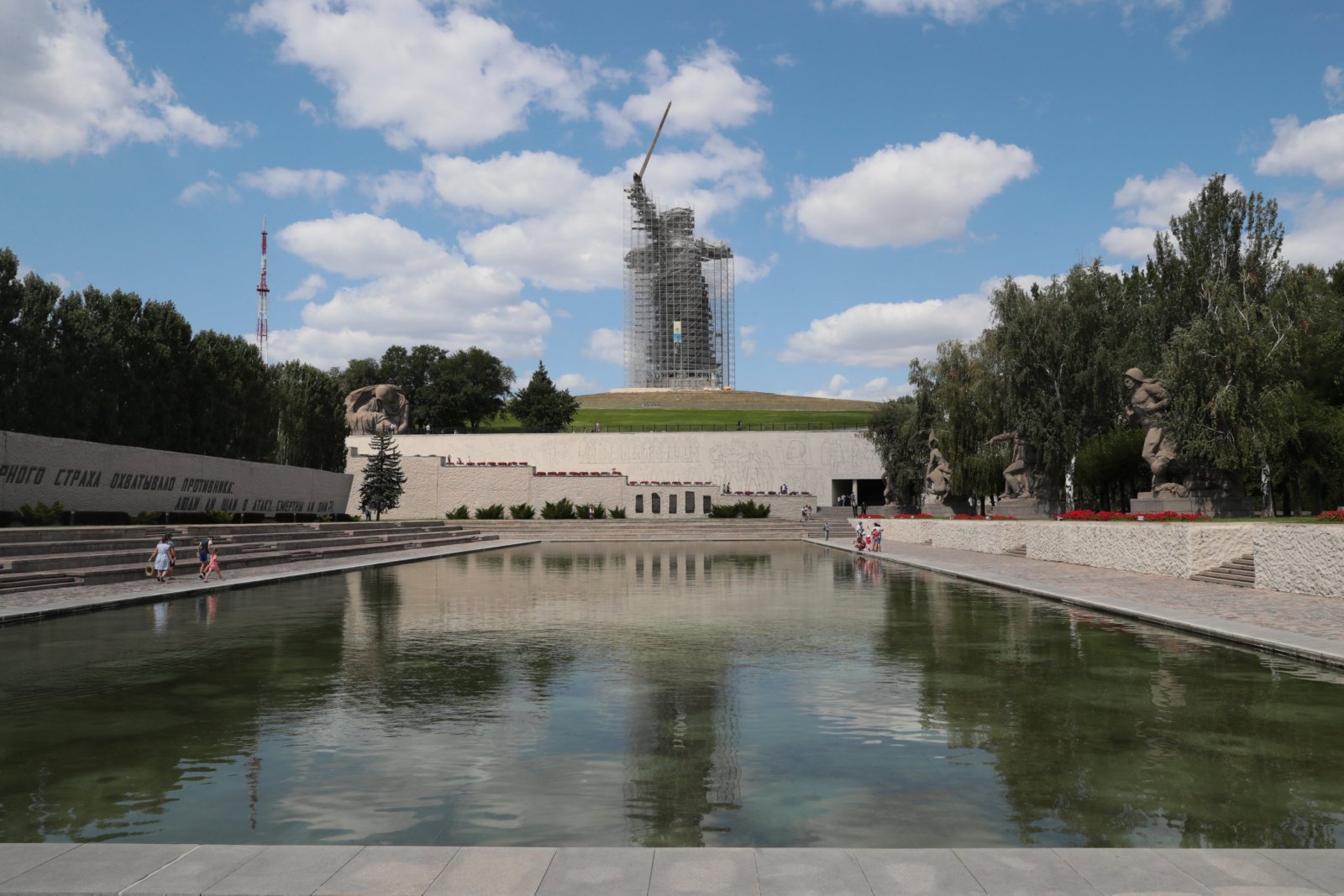
Art and Architecture The architectural style of The Motherland Calls blends Socialist Realism with a sense of dynamism and movement. The statue captures a moment frozen in time — a woman wielding a sword while beckoning her soldiers to rise for battle. Its sheer scale and dramatic pose convey both the urgency of war and the strength of the human spirit. The surrounding Mamaev Kurgan memorial complex features numerous sculptures and monuments that together create a haunting yet awe-inspiring landscape, inviting contemplation on the costs of war and the valor of those who fought.
Local Culture and Traditions The culture of Volgograd is deeply intertwined with its historical significance. The city celebrates Victory Day on May 9, a national holiday in Russia that commemorates the end of World War II in Europe. Festivities include parades, fireworks, and memorial services. Locals honor their past with various traditions, including visits to the war memorials and museums. The Central State Museum of the Great Patriotic War showcases artifacts, photographs, and personal stories from the battle, allowing visitors to connect with the experiences of those who lived through it.
Gastronomy When exploring the culinary landscape of Volgograd, visitors will discover traditional Russian dishes reflecting the region’s history. A must-try is Borscht, a beet soup often served with a dollop of sour cream, symbolizing the hearty meals shared by families during the war. Pelmeni, dumplings filled with meat or mushrooms, are also popular, embodying the comfort food that nourished the city’s residents. Pair these dishes with a glass of Kvas, a fermented beverage made from bread, which has been a staple of Russian culture for centuries.
Lesser-known Curiosities While many tourists flock to The Motherland Calls, the surrounding area offers hidden gems that paint a fuller picture of Volgograd’s past. One notable site is the Pavlov’s House, a strategic stronghold during the battle where soldiers held their ground against overwhelming odds. Another intriguing detail is that the statue was constructed using a unique technique that involved creating a hollow interior, allowing for a lighter structure without compromising its strength. Additionally, the Volga-Don Canal, which connects the Volga River to the Don River, is a testament to the region's engineering prowess and strategic importance during the war.
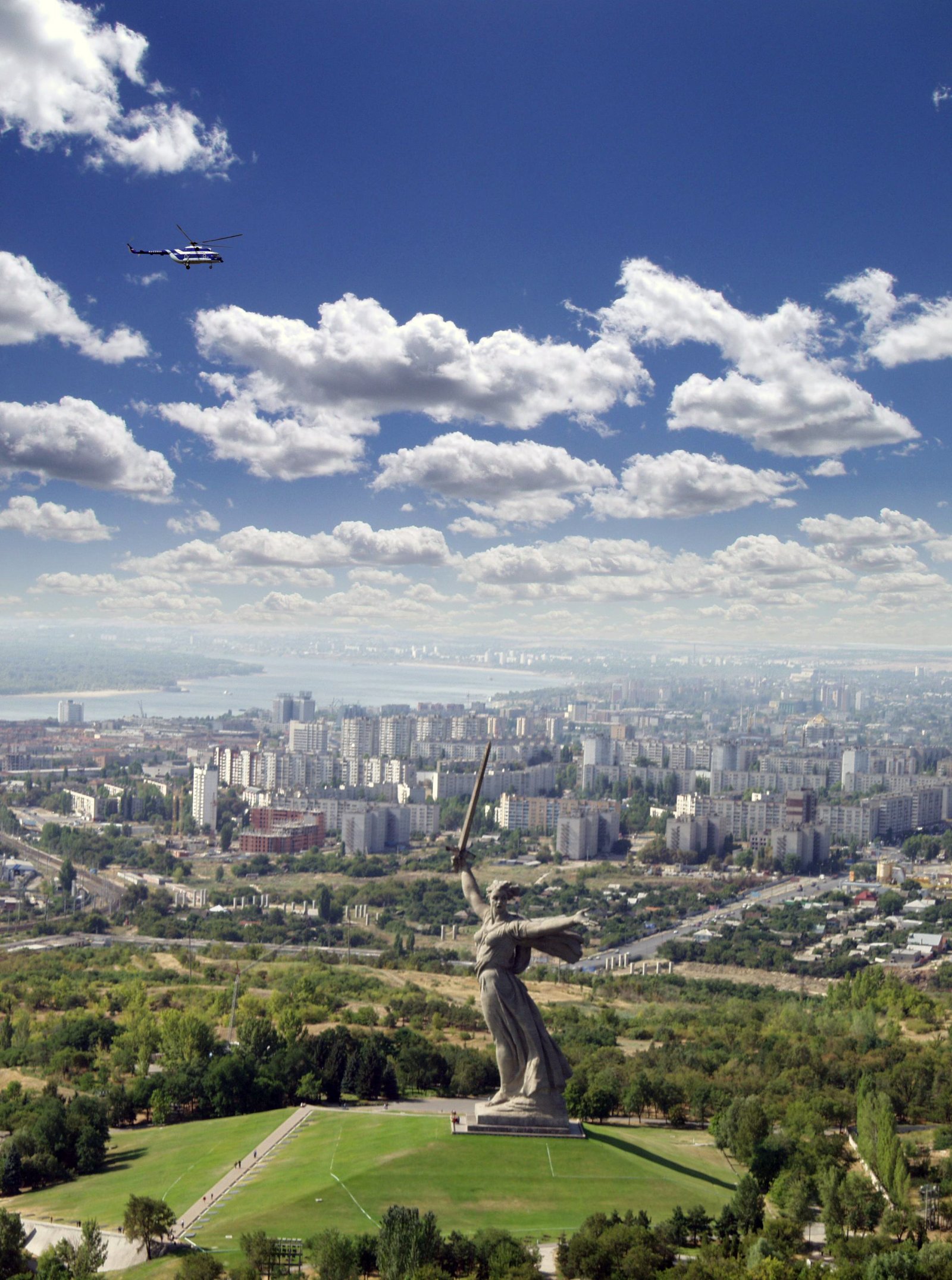
Practical Visitor Information The best time to visit Volgograd is during the spring (April to June) or autumn (September to October) when the weather is mild, and the city’s parks are in bloom. To fully appreciate the Mamaev Kurgan memorial complex, aim to arrive early in the day to avoid crowds. Don’t forget to bring a camera; the views from the hilltop overlooking the Volga River are breathtaking. When exploring the city, consider taking a guided tour to gain deeper insights into its rich history.
As you walk through the hallowed grounds of Volgograd, the weight of its past resonates, reminding visitors of the sacrifices made for freedom. To plan your personalized itinerary and uncover the many layers of this historic city, consider using the Secret World app for your journey in Volgograd.
