
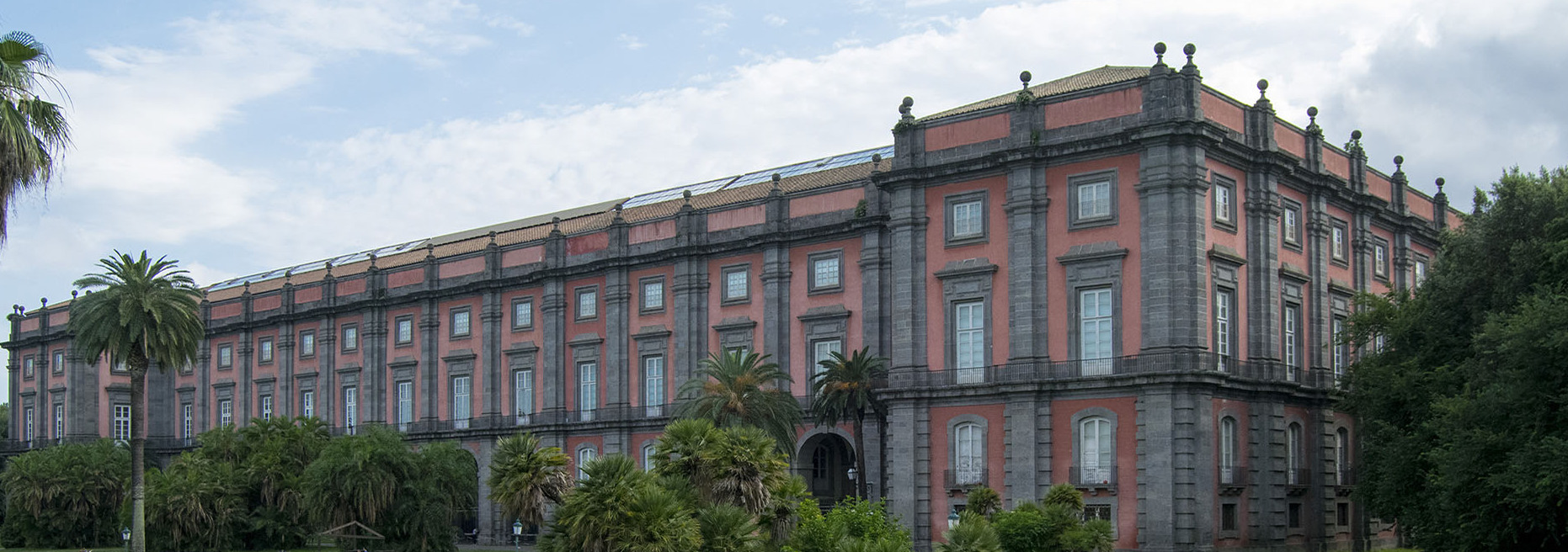

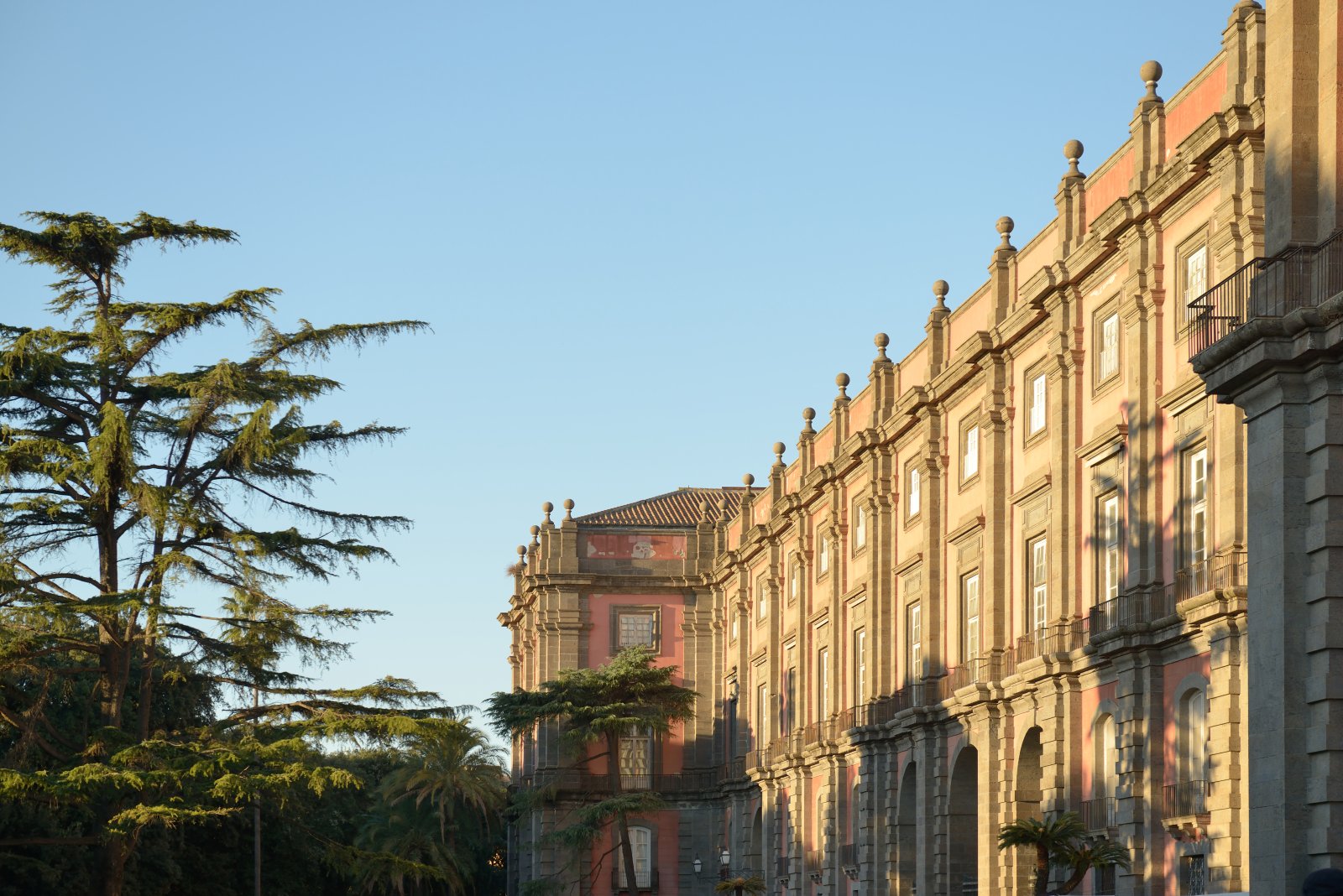
Perched on a verdant hill overlooking the pulsating city of Napoli, the Museum of Capodimonte stands as a testament to the region's rich artistic and historical legacy. As you approach the former Bourbon royal palace, the grandeur of its architecture and the lushness of its surrounding parkland invite you to step into a world where art and history intertwine seamlessly.
The origins of the Museum of Capodimonte date back to the early 18th century when Charles of Bourbon, who later became Charles III of Spain, commissioned the palace as both a royal residence and a gallery to house the Farnese collection, inherited from his mother, Elisabetta Farnese. Construction began in 1738, although the palace would not be completed until the early 19th century, a testament to its ambitious design and the complexities of its creation. Over the centuries, the museum has evolved, weathering the vicissitudes of history, including the tumultuous Napoleonic Wars and the unification of Italy, to become a cornerstone of Italian cultural heritage.
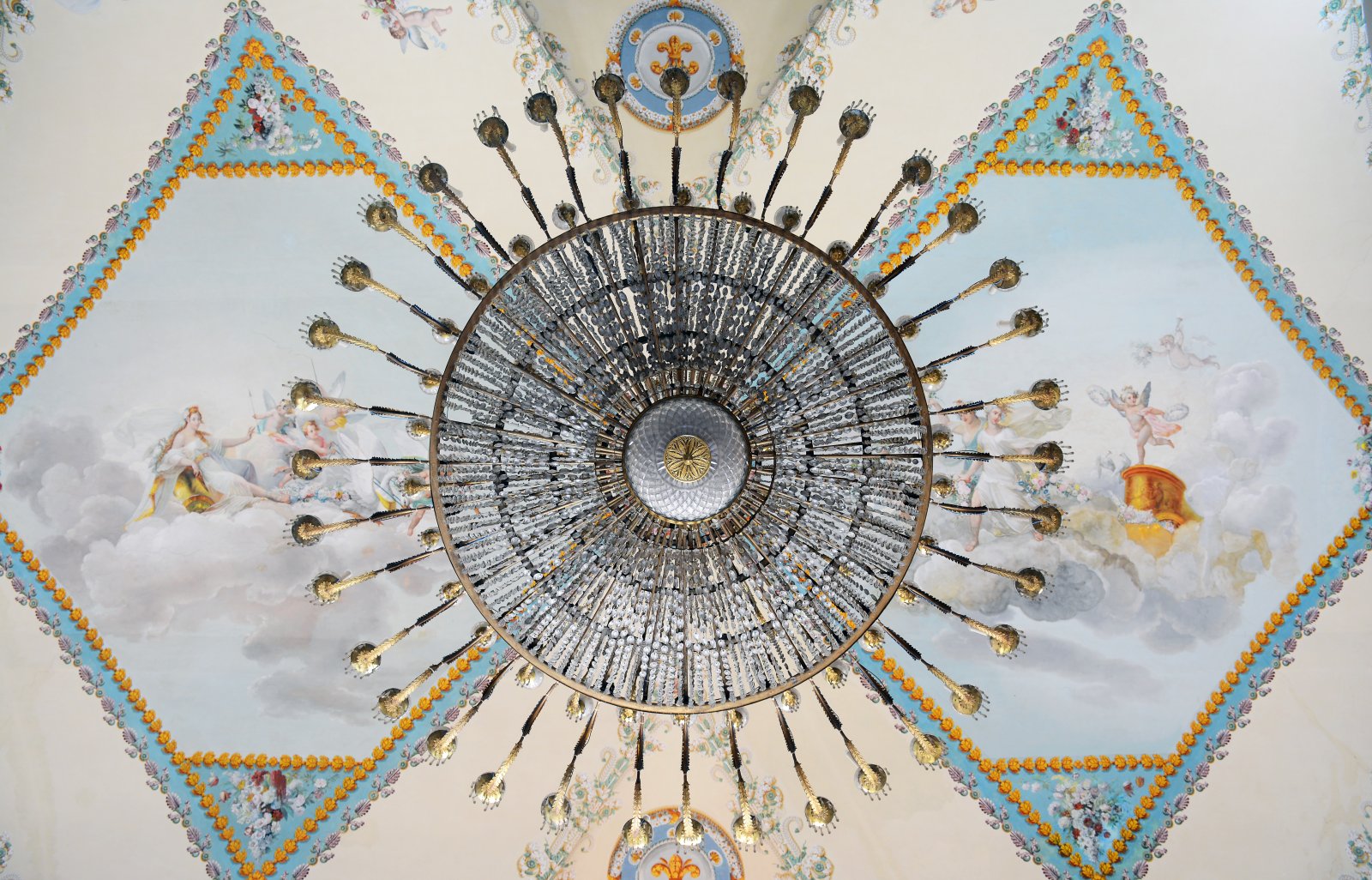
Architecturally, the palace is an embodiment of the Baroque and Neoclassical styles, with imposing facades and elegant interiors that reflect the opulence of the Bourbon dynasty. Inside, the museum's vast collection spans centuries, offering an unparalleled journey through the history of art. Masterpieces by Titian, Caravaggio, El Greco, and Raphael are among the highlights, each work a window into the aesthetic ideals and social narratives of its time. The museum also boasts an impressive array of modern art, bridging the ancient with the contemporary in a dialogue that continues to inspire and provoke.
Napoli's vibrant culture is deeply embedded in the fabric of the Museum of Capodimonte. The city is renowned for its lively festivals and age-old traditions, from the exuberant celebrations of Festa di San Gennaro, honoring the city's patron saint, to the bustling energy of its street markets. These cultural threads are reflected within the museum's walls, where Neapolitan art and artifacts tell stories of local life and the enduring spirit of its people.
No visit to Napoli would be complete without indulging in its famed culinary delights. The city's gastronomy is a celebration of robust flavors and simple, quality ingredients. After a visit to the museum, a stroll through the surrounding Capodimonte Park could be perfectly complemented by savoring a traditional Neapolitan pizza, a dish synonymous with the city. For those with a sweet tooth, sfogliatella or babà pastries offer a taste of local indulgence, best enjoyed with a rich espresso or a glass of Limoncello.
Beyond its renowned collections and majestic halls, the Museum of Capodimonte harbors lesser-known curiosities. Among these is the royal porcelain collection, a nod to the Capodimonte porcelain factory established by Charles of Bourbon, which produced some of the most exquisite ceramics of the 18th century. Another intriguing facet is the museum's role during World War II, when its artworks were hidden to protect them from bombardment, a testament to the enduring value placed on cultural preservation.
For practical information, the museum is open throughout the year, but visiting during the spring or autumn can offer a more pleasant climate, ideal for exploring the expansive grounds. To make the most of your visit, consider a guided tour, which can provide deeper insights into the museum's treasures. Be sure to wear comfortable shoes, as you may find yourself wandering not only through the galleries but also across the beautiful park that surrounds the palace.
In the heart of Napoli, the Museum of Capodimonte is more than just a repository of art; it is a living chronicle of the city's history and culture. Whether you're an art aficionado or a curious traveler, a visit here promises a rich tapestry of experiences that will linger long after you've left its storied halls.


