



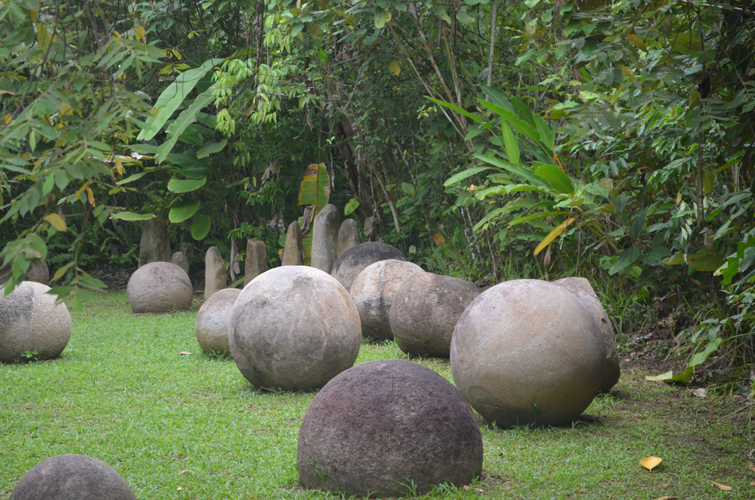
Nestled in the lush landscapes of Palmar Sur, Costa Rica, the stone spheres—or Las Bolas—are a captivating enigma that has intrigued archaeologists, historians, and travelers alike. These meticulously crafted petrospheres, numbering over three hundred, can be found predominantly in the Diquís Delta and on Isla del Caño. At first glance, they may appear as mere curiosities, but their historical significance ties deeply into the legacy of the extinct Diquís culture.
### History and Origins
The origins of these spheres hark back to between 500 and 1500 AD, during the height of the Diquís culture. This civilization flourished in the region, utilizing the abundant natural resources to create intricate societal structures. The spheres are believed to have served various purposes, including markers of elite status or possibly even ceremonial significance. Their exact purpose remains shrouded in mystery, sparking numerous theories.
The modern discovery of these spheres occurred in the 1930s when workers from the United Fruit Company were engaged in clearing land for banana plantations. As they dug into the rich soils of the Terraba River delta, they stumbled upon these remarkable stone balls. Initial excitement led to significant vandalism, as workers believed the spheres concealed treasures, particularly gold. Luckily, local authorities intervened before further damage could be inflicted, but sadly, many spheres were still stolen or destroyed during this tumultuous time.
Today, only a handful of these remarkable structures remain in their original locations, most notably six spheres displayed in Finca 6. These surviving artifacts are a testament to the Diquís culture's artistic and engineering prowess.
### Art and Architecture
The stone spheres of Costa Rica are not just remarkable for their size—some weighing over 15 tons—but also for the artistry involved in their creation. Crafted from granodiorite, a type of granite, these orbs showcase an impressive level of precision. Ranging in diameter from a few inches to over two meters, their perfect spherical shape remains a subject of admiration and study.
The artistry is not confined to the spheres themselves. The placement of these stones—often aligned in rows leading to the homes of chiefs—suggests a sophisticated understanding of landscape architecture. This spatial arrangement may have held symbolic meanings, reinforcing social hierarchies or serving as markers for sacred spaces.
### Local Culture and Traditions
The Diquís culture has left an indelible mark on the local customs of Palmar Sur. Today, the region celebrates its heritage through various festivals and events that honor indigenous traditions. Local artisans often create replicas of the spheres, showcasing traditional craftsmanship skills that continue to be passed down through generations.
One notable event is the Festival de las Bolas, held annually to celebrate the cultural significance of the spheres. During this festival, visitors can enjoy traditional music, dance, and craft markets, offering a vibrant glimpse into the region's rich cultural tapestry.
### Gastronomy
No visit to Palmar Sur is complete without indulging in the local gastronomy, which is influenced by both indigenous and Spanish traditions. Casado, a traditional Costa Rican dish, features rice, black beans, plantains, and an option of meat, usually served with a fresh salad. Another must-try is olla de carne, a hearty beef and vegetable stew that warms the soul.
For those with a sweet tooth, tres leches cake—a sponge cake soaked in three types of milk—provides a delicious end to any meal. Complement your culinary adventures with a locally sourced café, as Costa Rica is renowned for its high-quality coffee.
### Lesser-Known Curiosities
While the stone spheres are the main attraction, there are lesser-known facts that add depth to their allure. For instance, the spheres vary in texture and surface finish, leading experts to believe that they may have been intended for different purposes. Some even posit that the spheres might have served as astronomical markers, guiding the Diquís people in their agricultural practices.
Another curious tidbit is the ongoing debate among researchers regarding the methods used to transport these massive stones across the rugged terrain. While some suggest primitive tools and sheer manpower, others propose that a sophisticated system of levers and rolling logs may have been in play.
### Practical Visitor Information
The best time to visit Palmar Sur is during the dry season, from December to April, when the weather is pleasant and the landscapes are lush. To truly appreciate the spheres, plan a visit to Finca 6, where you can explore the archaeological site and learn more about the Diquís culture through informative displays.
When visiting, consider hiring a local guide who can provide insights into the historical and cultural significance of the spheres. Additionally, take your time to explore the surrounding areas, as the rich biodiversity of the region offers opportunities for birdwatching and hiking.
In conclusion, the stone spheres of the Diquís are more than just historical artifacts; they are a doorway into a fascinating past that resonates with the spirit of Costa Rica. For a memorable journey through this intriguing landscape, consider using the Secret World app to craft a personalized AI itinerary that will lead you to the heart of Palmar Sur.
