



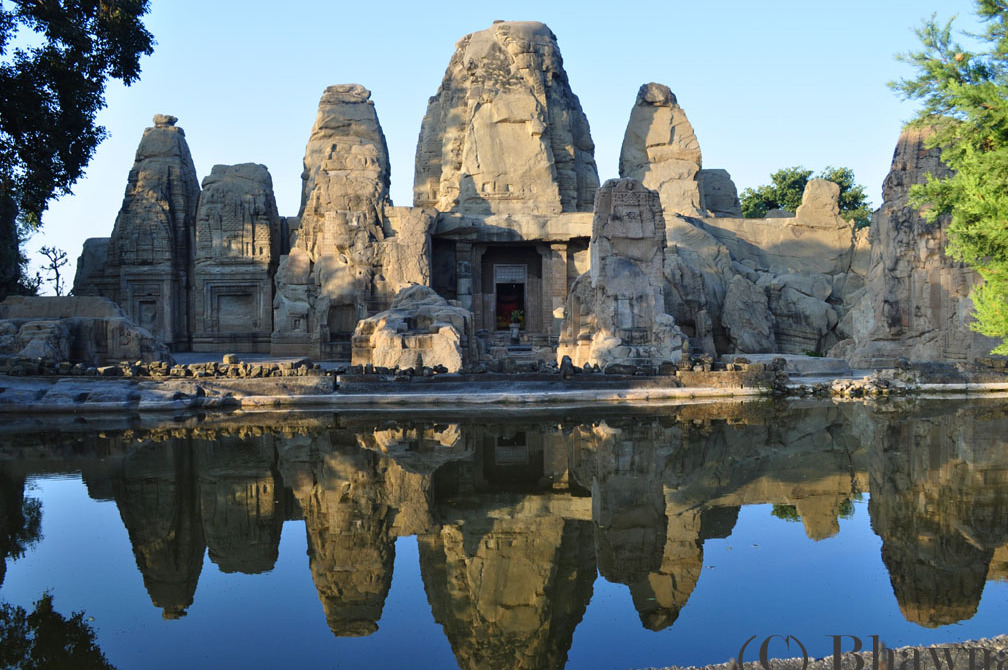
Nestled in the serene Kangra Valley of Himachal Pradesh, the Masrur Temples, also known as the Rock-cut Temples at Masrur, are a stunning testament to India's ancient architectural prowess. Dating back to the 8th century, this complex of 15 monolithic rock-cut temples showcases intricate carvings and a unique Indo-Aryan architectural style, captivating visitors with its beauty and historical significance.
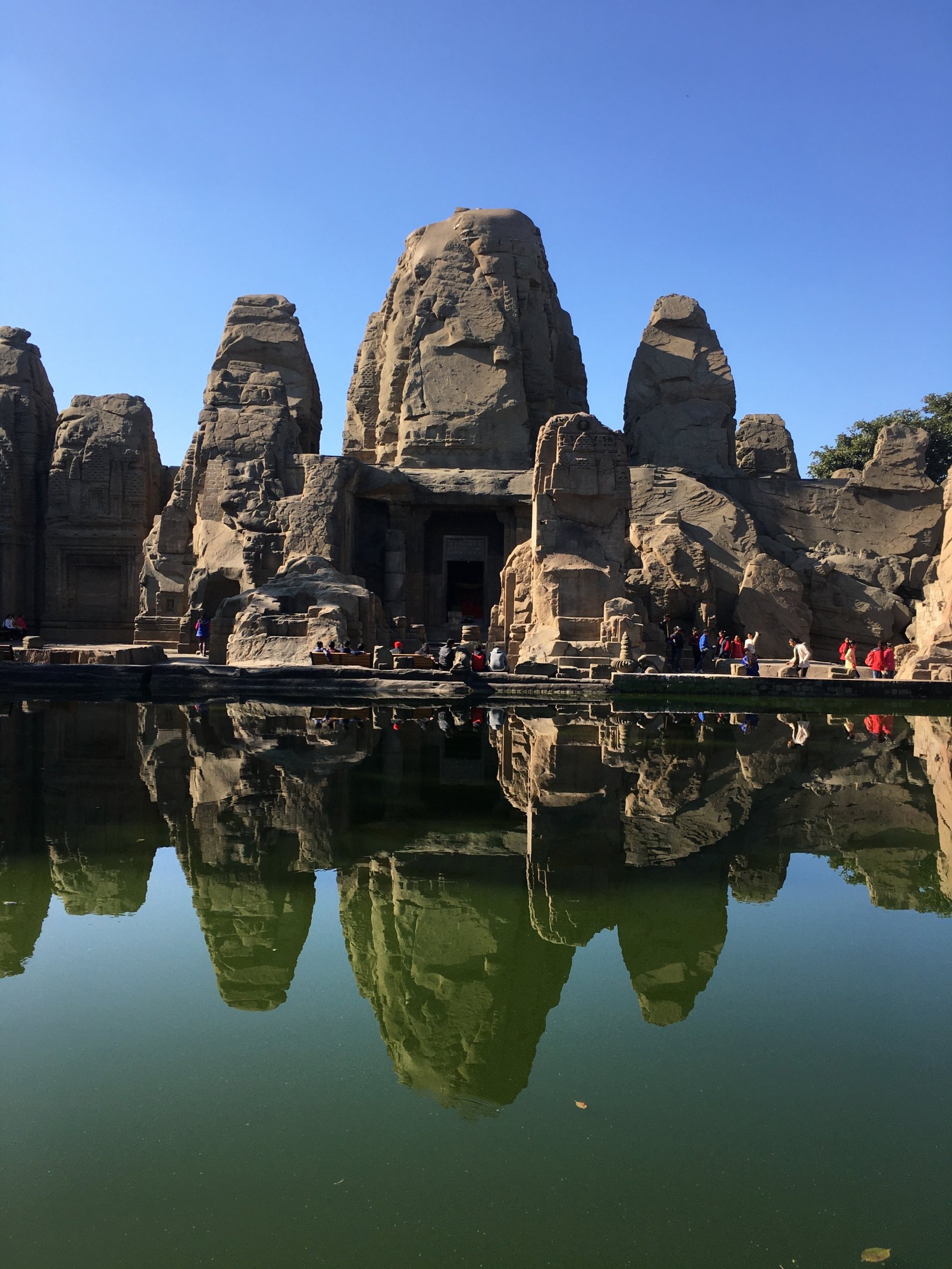
The origins of the Masrur Temples are shrouded in mystery, yet they are believed to have been carved during the reign of the Kshatrapa rulers. The temples are often associated with the Kangra dynasty, which played a significant role in promoting Hindu culture and religion in the region. The temple complex was not only a place of worship but also served as a community gathering space, reflecting the socio-religious dynamics of the time. Historical accounts suggest that the site may have been lost to time until its rediscovery in the 19th century, when British archaeologists stumbled upon this hidden gem.
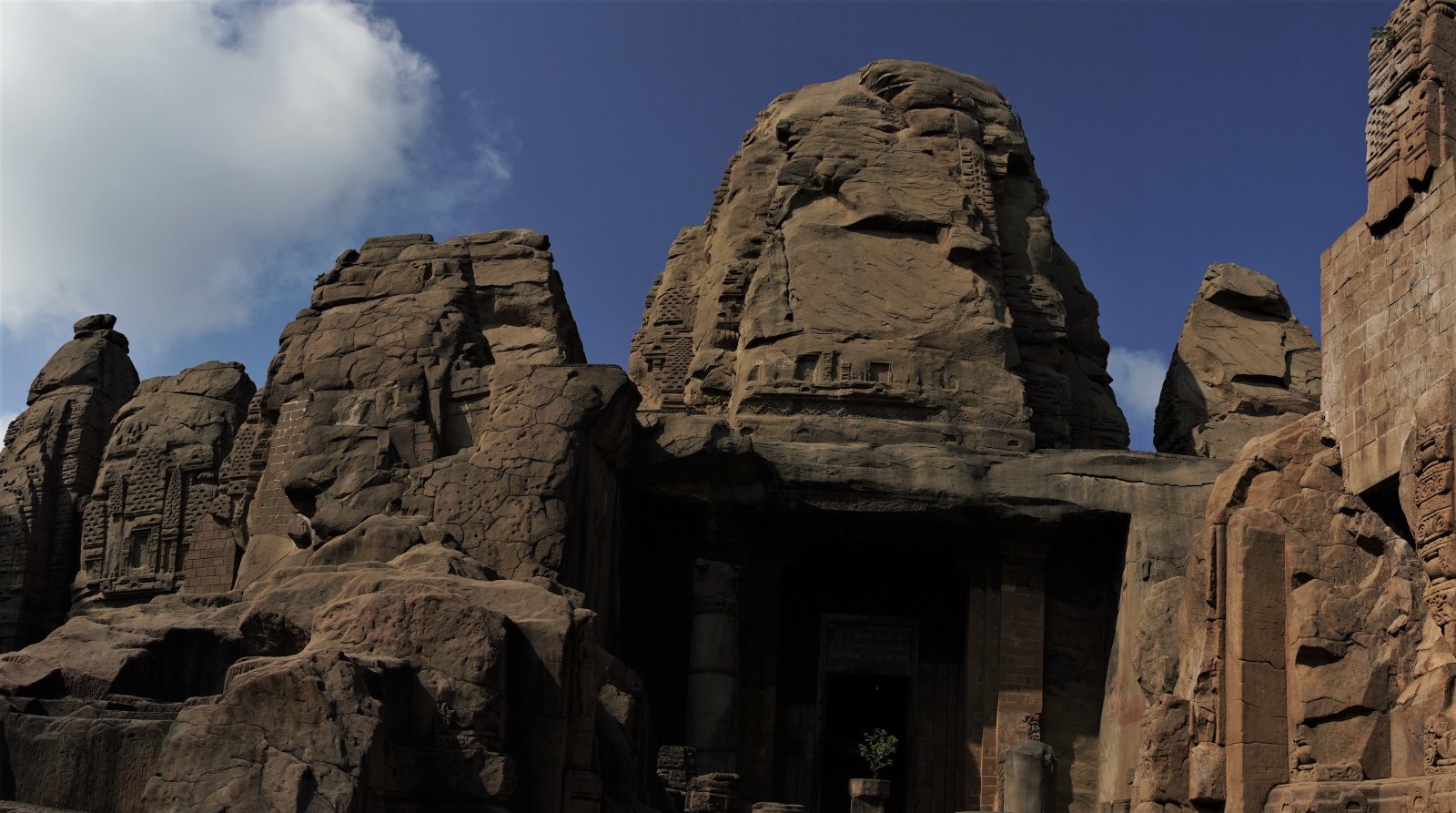
Architecturally, the Masrur Temples are a remarkable blend of artistry and engineering. The temples are carved directly from solid rock, showcasing a sophisticated understanding of stonework that is rare for the period. The main shrine features three revered deities: Ram, Laxman, and Sita, with a notable depiction of Shiva at the center of the lintel. This unique combination suggests that the temple may have originally been dedicated to Mahadeva, later adapted to honor the epic figures of the Ramayana. The intricate carvings and sculptures that adorn the facades display scenes from Hindu mythology, floral motifs, and celestial beings, making them an artistic treasure.
Local culture thrives around the Masrur Temples, which are not only a crucial religious site but also a vibrant center for traditional customs. The temples attract pilgrims and tourists alike, especially during the auspicious month of Chaitra, when the annual Ram Navami festival is celebrated. This festival marks the birth of Lord Rama and features vibrant processions, singing, and dancing, embodying the rich cultural heritage of the region. Local artisans often showcase their crafts during this time, adding an element of authenticity and community spirit to the festivities.
Culinary experiences in the vicinity of Masrur offer a delightful journey into local flavors. Traditional dishes such as Chana Madra, a chickpea curry cooked in yogurt, and Sidu, a type of steamed bread made from wheat flour, are popular among visitors. The region is also known for its Kangra tea, a fragrant brew that complements the serene landscapes. Small eateries around the temple serve these local specialties, providing a taste of the culture intertwined with the historic ambiance of the temples.
While the Masrur Temples are gaining popularity, several lesser-known curiosities remain hidden from the average tourist. For instance, many visitors overlook the water tank located in front of the temple complex, which beautifully reflects the intricate carvings of the temples, creating a mesmerizing visual effect. Additionally, the temples are often compared to those at Angkor Wat in Cambodia due to their rock-cut design and intricate ornamentation, yet they remain a unique representation of Indian heritage. Local legends also speak of hidden treasures and ancient rituals that were once performed in secret, adding an element of intrigue to the site.
For those planning to visit Masrur, the best time is from March to June when the weather is pleasant for exploration. It’s advisable to wear comfortable footwear, as the terrain can be uneven, and to carry water for hydration. Pay attention to the intricate carvings, as each tells a story of its own, and do not miss the chance to capture the stunning reflections in the water tank.
In conclusion, the Masrur Temples stand as a remarkable testament to India’s ancient artistry and spiritual heritage. They invite visitors to not only admire their beauty but also to immerse themselves in the rich tapestry of history and culture that surrounds them. For a personalized experience and to uncover the secrets of this mystical site, consider using the Secret World app to craft your own itinerary.
