
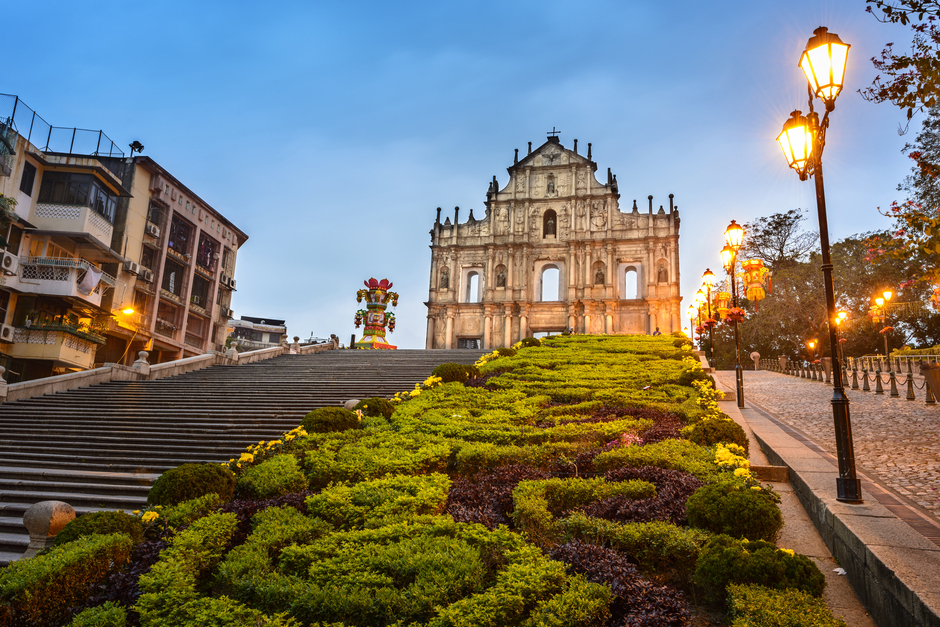

Stepping into the old centre of Macau is like walking through a living museum, where the legacies of Portuguese colonialism and rich Chinese traditions converge. This area, recognized as a UNESCO World Heritage Site, is a vibrant tapestry of history, art, and culture, with its roots tracing back to the 15th century.
History and Origins Macau was first established as a trading post in the mid-16th century, but its history is much older, with evidence of habitation dating back thousands of years. The Portuguese arrived in 1557, establishing it as a colony that would flourish as a gateway between East and West. Throughout the centuries, Macau witnessed numerous key historical events, including the arrival of the Ming dynasty, which solidified its role in trade and cultural exchange. The region was handed back to China in 1999, yet its colonial past remains palpable in its architecture and public spaces.
Art and Architecture The architectural landscape of the old centre of Macau is a stunning showcase of Baroque, Rococo, and Neoclassical styles, reflecting its unique blend of Portuguese and Chinese influences. Notable buildings include the Ruins of St. Paul's, which are the remnants of a 17th-century church and a prime example of the fusion of cultures. The Senado Square, with its distinctive wave-patterned cobblestone streets and vibrant pastel buildings, evokes a sense of the bygone era. Among the many artworks, the intricate ceramic tiles adorning buildings tell stories of Macau's rich past, with motifs that celebrate Chinese folklore and Portuguese heritage.
Local Culture and Traditions Cultural festivals in Macau are a vibrant reflection of its mixed heritage. The Macau International Fireworks Display Contest, held annually, lights up the skies, showcasing not just pyrotechnics but a celebration of international camaraderie. The Mid-Autumn Festival, marked by mooncake sharing and lantern displays, is also deeply cherished. An understanding of local customs often reveals the warmth of Macau's residents, who pride themselves on their unique blend of cultures, epitomized in their daily life and community events.
Gastronomy No visit to the old centre of Macau is complete without indulging in its culinary delights. The local cuisine is a delicious fusion of Chinese and Portuguese flavors. Macanese cuisine features dishes like Minchi, a savory stir-fried mix of minced pork or beef with potatoes, and Bacalhau à Brás, a Portuguese cod dish that has been adapted over centuries. Don’t miss trying egg tarts, a sweet treat that has become emblematic of Macau. For drinks, sip on a refreshing glass of Macau-style milk tea or sample some local Portuguese wine.
Lesser-known Curiosities While many visitors flock to the iconic sites, several hidden gems remain undiscovered. For instance, the A-Ma Temple, dedicated to the goddess of seafarers, predates the arrival of the Portuguese and offers insight into the spiritual life of the local community. Another curiosity is the Camoes Garden, a serene park that honors Luís de Camões, one of Portugal’s greatest poets, blending natural beauty with historical significance. Additionally, the Moorish Barracks, once serving as a refuge for the Portuguese, is a stunning example of colonial architecture that often escapes the tourist spotlight.
Practical Visitor Information The best time to visit the old centre of Macau is during the autumn months of October to December, when the weather is pleasantly mild, making it ideal for exploration. Be sure to wear comfortable shoes, as the cobblestone streets can be uneven. When visiting, take time to engage with local artisans and shop for intricate handcrafted goods. Look out for the Macau Museum, which offers a deeper understanding of the region’s history and culture.
As you wander through the enchanting streets of the old centre of Macau, let the stories of its past unfold before you, creating memories that will linger long after your visit. For a personalized itinerary that captures the essence of this cultural mosaic, consider using the Secret World app.


