



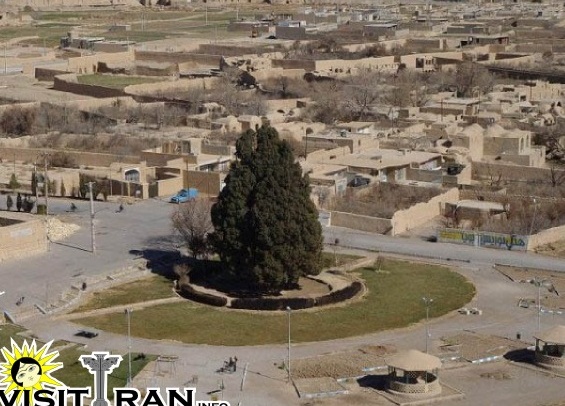
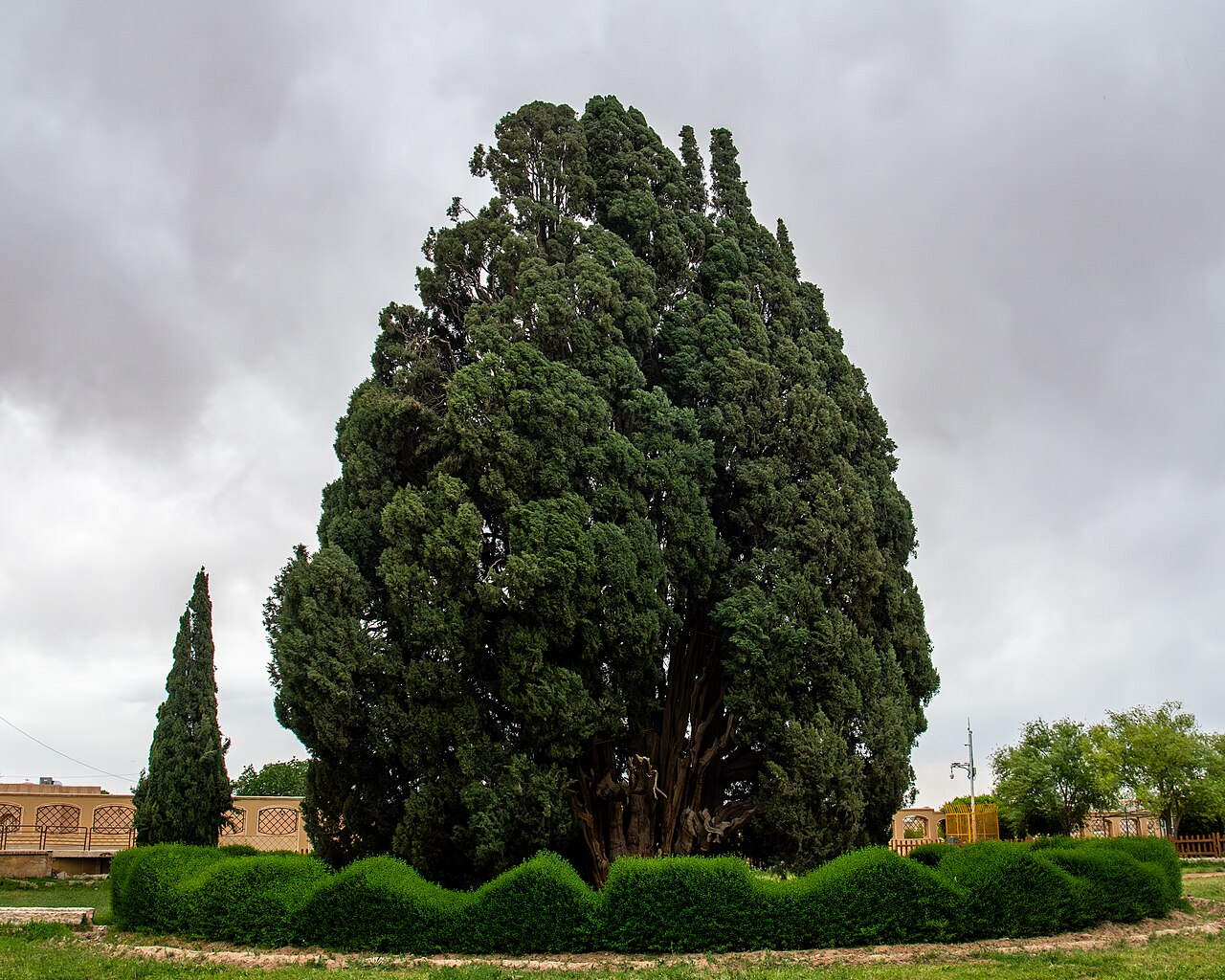
Standing majestically in Abarqu, Iran, the Sarv-e Abarkuh is not just a tree; it’s a living testament to the epochs of history that have unfolded around it. With an estimated age of 4,000 to 5,000 years, this cypress tree is one of the oldest living entities on the planet, captivating visitors with its grandeur and legendary origins.
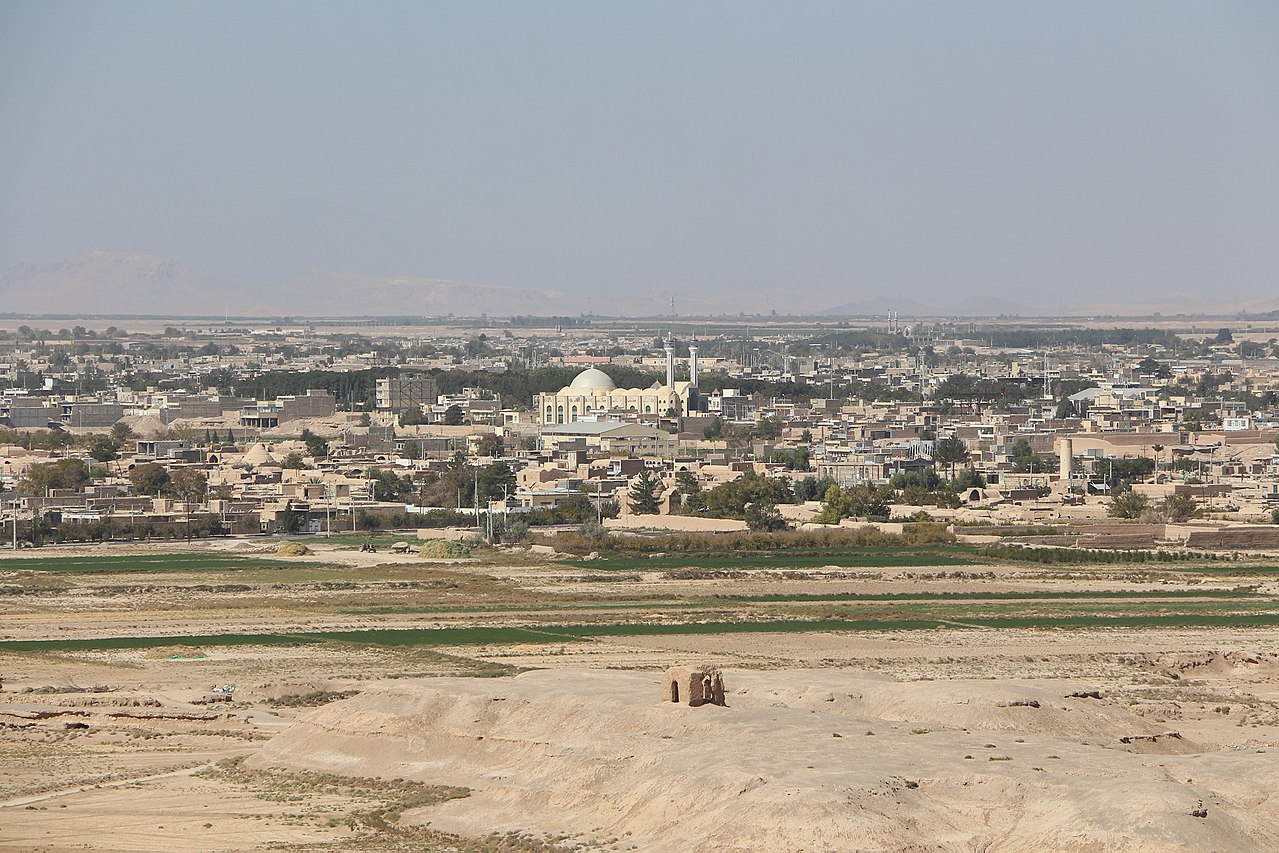
### History and Origins The Sarv-e Abarkuh is steeped in myth and history. Local lore suggests that the tree was planted by Zoroaster, the founder of Zoroastrianism, or by Japheth, a son of Noah. These legends underline the tree’s significance not only as a natural wonder but also as a cultural icon linked to ancient Persian beliefs. The tree has witnessed the rise and fall of empires, from the Achaemenids to the Sassanids, and has become a silent witness to the passage of time.
In 1963, the Sarv-e Abarkuh was designated a national natural monument by the Cultural Heritage Organization of Iran, ensuring its protection and recognition. Its massive trunk, with a circumference of over 18 meters, stands proudly, symbolizing resilience and longevity through centuries.
### Art and Architecture While the Sarv-e Abarkuh is primarily a natural wonder, it exists within a cultural landscape rich in Persian architecture. The tree is adjacent to historic sites such as the Abarkuh Jameh Mosque, which features stunning Islamic architectural elements like intricate tile work and stalactite ceilings. Visitors can marvel at the contrast between the ancient cypress and the delicate artistry of the mosque, making for a unique visual experience.
The artistic significance of the tree transcends its physical presence. It inspires local artisans, who incorporate its imagery into traditional crafts, symbolizing strength and endurance in their works.
### Local Culture and Traditions The culture of Abarqu is woven with the threads of ancient traditions and modern customs. The Sarv-e Abarkuh stands as a symbol of local identity and pride. Festivals celebrating the tree often attract visitors from across the country, where locals gather for cultural performances, storytelling, and music, honoring their deep-rooted connection to this magnificent tree.
One notable festival is the Tirgan, celebrated in mid-July, which involves water-related rituals symbolizing the blessings of nature. During this time, locals engage in traditional songs and dances, highlighting their respect for the environment—a sentiment echoed by the revered Sarv-e Abarkuh.
### Gastronomy The culinary landscape of Abarqu is as rich as its history. The region is known for its delicious pomegranates, which thrive in the warm climate. A traditional dish, Fesenjan, made with pomegranate molasses and walnuts, is a must-try when visiting. It embodies the local flavors and agricultural heritage.
Additionally, visitors can savor Khoresht-e Gheymé, a savory stew featuring tender meat and lentils, often served with saffron rice. The use of local ingredients, such as fresh herbs and fruits, reflects the richness of the region's agricultural practices, deeply intertwined with its culture and history.
### Lesser-known Curiosities Many tourists overlook the small details that make Abarqu special. For instance, the Sarv-e Abarkuh is not just any cypress; it is part of a small grove of ancient trees, each with its own story. Furthermore, the area around the tree is known for its unique natural springs, which have been vital for the local ecosystem and agriculture.
The tree has also been featured in Iranian literature, symbolizing endurance and the passage of time, making it a subject of admiration for poets and writers alike. Its presence has inspired countless artistic expressions, from poetry to paintings, reinforcing its importance in both history and culture.
### Practical Visitor Information The best time to visit Abarqu is during the spring (March to May) and autumn (September to November) months when the weather is mild and pleasant. The tree is easily accessible from the center of Abarqu, and visitors can enjoy a quiet moment under its expansive branches, reflecting on its ancient history.
When planning your visit, be sure to bring a camera to capture the beauty of the Sarv-e Abarkuh and the surrounding landscapes. Additionally, consider exploring nearby attractions, such as the Abarqu Icehouse, an ancient structure used for storing ice, which showcases the ingenious methods used by locals to cope with the harsh climate.
In conclusion, the Sarv-e Abarkuh is not merely a tree; it is a monument of resilience, culture, and history. As you wander through the serene landscape of Abarqu, take a moment to appreciate the stories that this ancient cypress has to tell.
To make the most of your visit, consider using the Secret World app for a personalized AI itinerary to explore Abarqu's treasures.
