



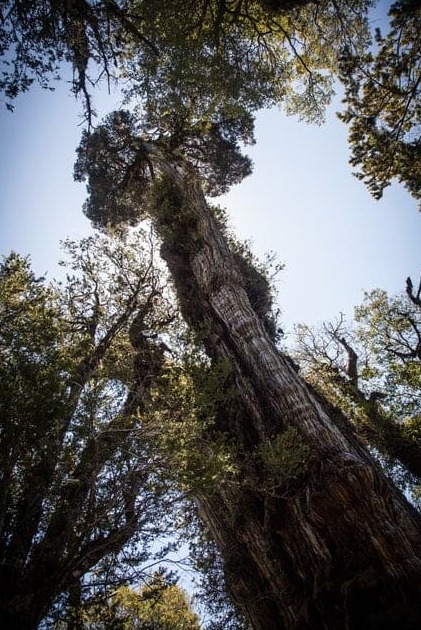
Standing tall in Alerce Costero National Park, the Gran Abuelo is not just a tree; it's a living link to ancient history. Estimated to be over 3,622 years old, this majestic Fitzroya cupressoides tree has witnessed the rise and fall of civilizations, its roots intertwined with the very essence of the land. This ancient giant germinated around 1,500 BCE, a time when the world was a vastly different place, and its story serves as a testament to resilience against the elements and human encroachment.
The Gran Abuelo is nestled within a breathtaking landscape of temperate rainforests, showcasing not just the beauty of ancient trees but also a rich tapestry of ecosystems. The Alerce trees of this region are among the oldest living organisms on Earth, often compared to the iconic Sequoias of North America. While the Gran Abuelo stands as the oldest, many other trees in the grove, some of which were unfortunately logged in the past, might have shared similar histories.
Despite its age, the Gran Abuelo’s architectural style is not of human construction but rather a natural masterpiece, crafted by millennia of growth and environmental adaptation. The tree's massive trunk, with a diameter of 4 meters (13 feet) and a height of over 60 meters (196 feet), showcases the resilience of nature. Its bark, thick and fibrous, serves as a protective layer against the harsh elements, while its wide branches create a canopy that supports a diverse array of life, each contributing to the local ecosystem.
The culture surrounding the Gran Abuelo is deeply embedded in the local Mapuche traditions. The Mapuche people hold the forest sacred, and their customs reflect a profound respect for the natural world. Festivals celebrating the earth, like the Pachamama festival, emphasize gratitude for nature’s offerings, with rituals that honor ancient trees like the Gran Abuelo. Visitors may encounter local artisans showcasing their traditional crafts, which often incorporate natural elements, reflecting the harmony between culture and nature.
When visiting the Gran Abuelo, one can’t overlook the gastronomy of the region. The local cuisine is a delightful blend of flavors, heavily influenced by both indigenous and Spanish traditions. Dishes such as curanto, a traditional Mapuche meal featuring a mix of seafood, meat, and vegetables, are often cooked in a pit, embodying the communal spirit of local gatherings. Pair this with a glass of Chilean wine, renowned for its depth and character, and you have a culinary experience that resonates with the earth's bounty.
For those curious about lesser-known aspects of the Gran Abuelo, it’s fascinating to note that its age was confirmed through careful examination of its growth rings in 1993. This scientific process revealed not just the tree's age but also provided insights into the climatic conditions of its early years. Furthermore, the potential that the Gran Abuelo may not be the oldest tree in the grove adds a layer of intrigue, hinting at the many untold stories hidden within the ancient forest.
The best time to visit the Alerce Costero National Park is during the Southern Hemisphere summer, from December to February. During these months, the weather is milder, and the flora is in full bloom, offering a vibrant backdrop for exploration. When visiting the Gran Abuelo, don’t forget to bring your camera; the interplay of light through the ancient branches creates mesmerizing photo opportunities.
As you embark on this journey to witness the Gran Abuelo, take a moment to soak in the silence of the forest, the whispers of history echoing around you. Each visit is more than just a trip; it’s an opportunity to connect with a world that has endured through millennia, a reminder of the beauty and fragility of life.
To make the most out of your experience and personalize your itinerary, consider using the Secret World app for tailored recommendations.
