



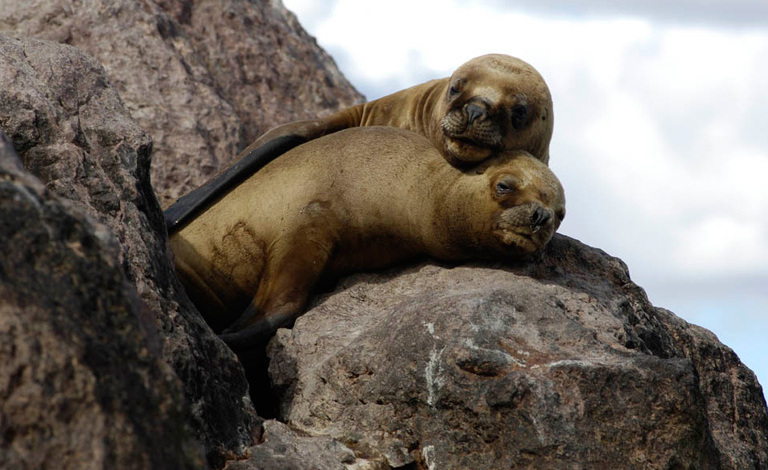
Nestled at the westernmost point of the African continent, the Cabo Blanco seal colony is not just a geographical marvel but a sanctuary that plays an essential role in the survival of the Mediterranean monk seal (Monachus monachus). With approximately 200 seals calling this remote region home, Cabo Blanco stands out as the only true colony of monk seals in the world, making it a significant site for conservationists and wildlife enthusiasts alike.

### History and Origins
The history of the Mediterranean monk seal is as rich as the waters they inhabit. Once thriving across the Mediterranean Sea, Black Sea, and parts of the Atlantic Ocean, these seals have been part of human lore since ancient times. They were revered in various cultures, often depicted in pottery and coins. However, with the advent of hunting and environmental changes, their populations began to dwindle significantly.
By the late 20th century, the seals faced catastrophic decline due to overfishing and habitat destruction. In response to this crisis, conservation efforts intensified, particularly in the Cabo Blanco area, which was designated as a protected zone in the 1990s. This sanctuary provides a critical breeding ground, enabling the monk seal population to stabilize and recover slowly.
### Art and Architecture
While Cabo Blanco itself is primarily a natural habitat rather than an architectural marvel, the surrounding regions boast a blend of traditional Moroccan and Portuguese influences, reflective of the area’s colonial history. The coastal villages nearby feature charming whitewashed buildings, intricate tile work, and vibrant local markets.
In artistic terms, the monk seal has inspired various works throughout history, from ancient mosaics to modern conservation art. Artists often depict these creatures in their natural habitats, highlighting their beauty and the urgent need for conservation.
### Local Culture and Traditions
The local culture surrounding Cabo Blanco is deeply intertwined with the sea. Fishing has been a way of life for generations, and traditional methods still prevail in many coastal communities. Local fishermen often share tales of their encounters with monk seals, which are seen as symbols of good fortune.
Festivals celebrating the sea and its bounty are common, particularly the Festival de la Mer, where locals gather to honor their maritime heritage through music, dance, and food. The connection between the community and the seals is palpable, as many locals are involved in conservation efforts, making it a powerful cultural exchange.
### Gastronomy
Cabo Blanco is not just a haven for seals; it's also a gastronomic delight. The local cuisine is a feast of fresh seafood, often directly sourced from the waters where the monk seals thrive. Dishes like grilled sardines, octopus salad, and tagine are staples, showcasing the region's rich flavors.
The use of spices, particularly cumin and coriander, reflects the Moroccan influence, while the Portuguese touch can be seen in the use of bacalhau (salted cod). Pair your meal with local wines or the refreshing mint tea, which is a cultural staple in Moroccan households.
### Lesser-known Curiosities
One of the most surprising aspects of Cabo Blanco is its role as a critical breeding ground for the Mediterranean monk seal. Unlike other seal populations, the seals here exhibit unique behaviors, such as specific vocalizations that researchers are still working to fully understand.
Additionally, Cabo Blanco's remote location has preserved its natural beauty, making it an ideal spot for eco-tourism. Few visitors venture here, resulting in pristine beaches and untouched landscapes. Bird watchers can also delight in spotting various seabird species that share the same habitat.
### Practical Visitor Information
The best time to visit Cabo Blanco is during the spring and early summer months (April to June) when the weather is mild, and wildlife activity is at its peak. The area is best accessed via Dakhla, a nearby city known for its desert landscapes and water sports.
Visitors should keep in mind that while the seal colony is a protected area, responsible wildlife viewing is encouraged. Binoculars are a must for those hoping to observe the seals without disturbing them. Local guides can enhance your experience by sharing insights into the ecosystem and conservation efforts.
Respect the natural environment and follow any guidelines provided by conservationists to ensure the longevity of this unique habitat.
Cabo Blanco is a hidden gem that offers a glimpse into the world of the Mediterranean monk seal while celebrating the local culture and traditions. To maximize your visit, consider using the Secret World app to craft a personalized itinerary that ensures you experience the magic of this remarkable destination.
