
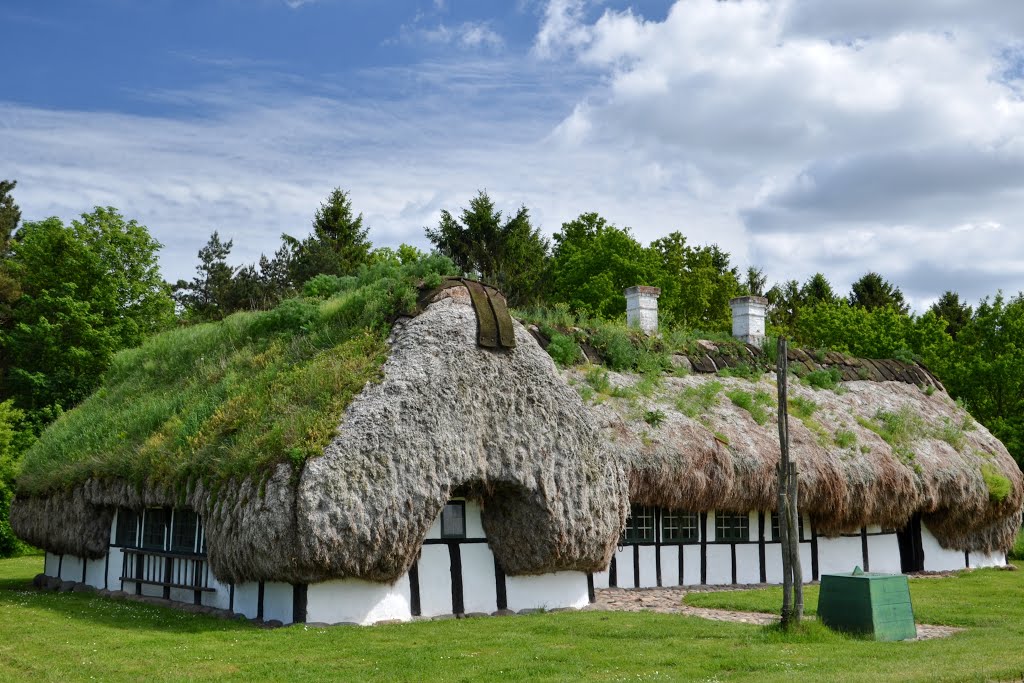

Nestled just north of Copenhagen, the Open Air Museum in Kongens Lyngby stands as a testament to Denmark’s rich cultural heritage and rural history. Established in 1891, it is one of the oldest and largest open-air museums in the world, covering an impressive 86 acres and showcasing over 50 historical buildings that date back to the period between 1650 and 1940. With its idyllic surroundings and authentic reconstruction of historic Danish rural life, the museum offers visitors a unique glimpse into the past.
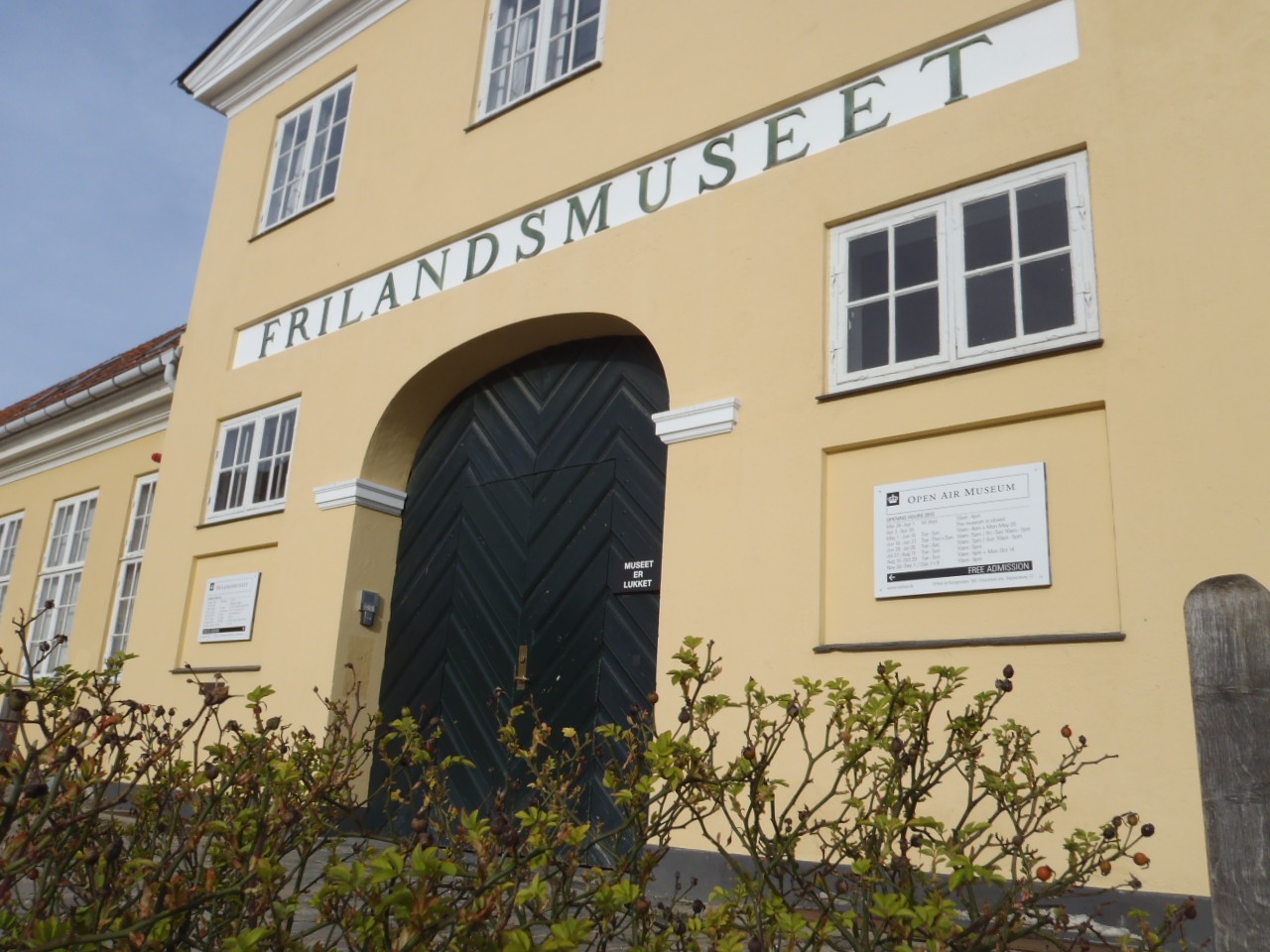
The museum was founded by the Danish National Museum with the aim of preserving Denmark’s traditional rural architecture and ways of life. The ambitious project began with the gathering of buildings from various regions, each representing distinct aspects of Denmark's diverse cultural tapestry. The structures were carefully dismantled, transported, and re-erected on site, complete with gardens and landscapes that reflect their original environments. This thoughtful approach allows visitors to immerse themselves in the historical context of each building.
Architecturally, the Open Air Museum is a treasure trove of styles, showcasing everything from charming half-timbered houses to imposing thatched-roof farms. Each structure embodies the craftsmanship and local materials characteristic of its region. For instance, the Jutlandic farm exhibits the robust building techniques of the northwest, while the Fynian homes highlight the elegant simplicity of the island’s rural architecture. The museum’s commitment to authenticity also extends to its beautiful gardens, which feature traditional Danish flora and farming practices.
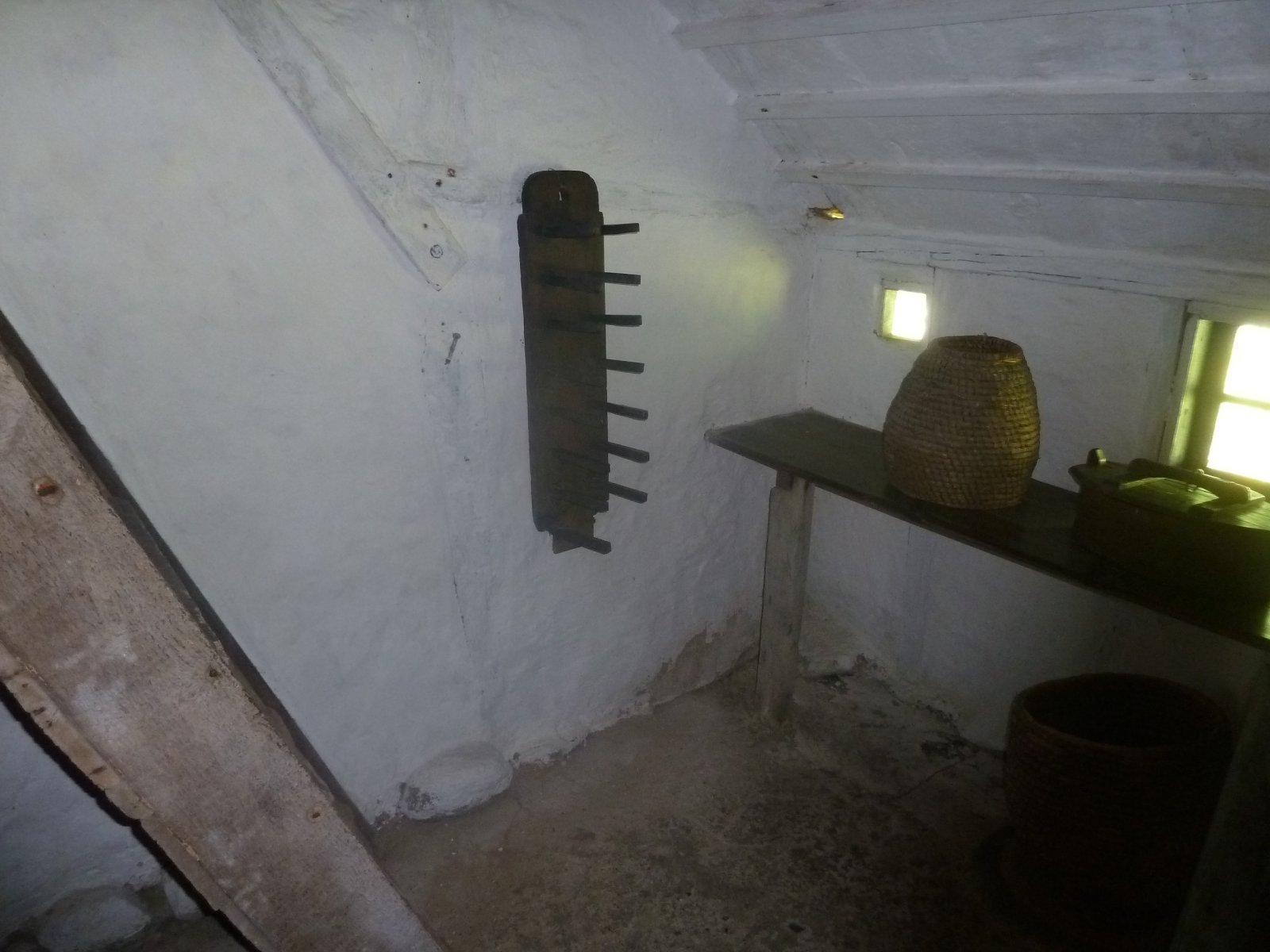
Culture thrives at the Open Air Museum, where visitors can witness the local customs and traditions that shaped Danish society. Seasonal festivals often take place on the grounds, including Midsummer celebrations and harvest festivals, where traditional music, dance, and costumes come alive. These events not only educate visitors about the past but also foster a sense of community and continuity in Danish culture. The museum serves as a living reminder of the importance of preserving local customs, with demonstrations of crafts such as weaving, blacksmithing, and baking.
A visit to the Open Air Museum wouldn’t be complete without indulging in Danish gastronomy. The museum’s café often features traditional dishes that tell the story of rural life. Guests can savor hearty smørrebrød (open-faced sandwiches) topped with various ingredients, often reflecting the seasonal bounty. Local favorites such as Æbleskiver (puffy pancake balls) and Rugbrød (rye bread) can also be found, providing a delicious connection to the land and its history. Additionally, the surrounding area offers local breweries and farms, giving visitors a chance to taste authentic Danish beers and artisanal cheeses.
For those seeking unique experiences, the Open Air Museum holds several lesser-known curiosities. One intriguing aspect is the museum’s windmill, which has been operational since the 19th century. It is not only a functional piece of history but also often serves as a backdrop for educational workshops on traditional milling techniques. Furthermore, the museum’s collection includes a Horizon House from the Faeroe Islands, providing insight into the unique architectural adaptations of the islands’ climate and geography.
The best time to visit the Open Air Museum is during the warmer months, from April to September, when most of the buildings are open, and outdoor activities are plentiful. Weekends often feature special events, and visitors are encouraged to check the museum’s calendar for workshops and demonstrations. To fully appreciate the scope of the museum, allocate at least half a day to explore its vast grounds, and don’t forget to bring comfortable walking shoes.
As you wander through the charming pathways, take the time to interact with the staff, who are often dressed in period costumes and eager to share their knowledge of the history and significance of each building. Keep an eye out for hidden corners of the museum, where you might discover lesser-known stories about Denmark’s rural past.
Visiting the Open Air Museum is not just a stroll through history; it’s an opportunity to engage with Denmark’s rural traditions, architecture, and culinary delights. Whether you are an architecture enthusiast, a history buff, or simply someone looking to appreciate the beauty of the countryside, this museum offers an enriching experience that resonates long after you leave. To enhance your visit, consider using the Secret World app to plan a personalized AI itinerary for your time in Kongens Lyngby.


