

The smell of handcrafted wood and fabrics dyed with natural pigments welcomes you even before you see the shops. The Ancient Road of Krujë — locally known as Rruga e Vjetër — is an Ottoman market street that winds along the hillside on which the city stands, about 600 meters above sea level, less than thirty kilometers north of Tirana. The dark wooden structures, with their protruding balconies and open shutters onto the uneven pavement, are not tourist reconstructions: many of the shops present today date back to the Ottoman period, when Krujë was a prominent trading center in the area that is now central Albania.
Most visitors arriving in Albania stop on the Adriatic or Ionian coast — Saranda, Vlorë, the Riviera — and never reach the mountainous interior. This makes the bazaar of Krujë something unusual in the landscape of Balkan tourism: an authentic market, frequented by real local artisans, not yet emptied by the logic of mass souvenirs. Here, things are still sold, and real buying happens.
What can be found in the shops
The shops in the bazaar are largely open workshops, where it is possible to directly observe the work of artisans. Among the most recognizable products are the hand-embroidered textiles — tablecloths, bags, bedspreads — with geometric patterns that reflect the Albanian decorative tradition. Some vendors also display the xhubleta, the traditional bell-shaped skirt of the women from the Albanian Alps, considered one of the oldest pieces of clothing in Europe still in use: it is made of felted wool and features horizontal bands of different colors, with a rigid and flared shape that makes it immediately recognizable.
Alongside the fabrics, many shops display ancient coins — some attributed to the Illyrian or Roman period — and handmade metal objects: buckles, traditional knives, brass candlesticks. The provenance of these coins is difficult to verify on-site, but their presence is constant and represents one of the most curious elements of the market. Prices are generally negotiable and remain accessible compared to Western European standards.
The historical context: Krujë and Skanderbeg
Krujë is indissolubly linked to the figure of Gjergj Kastrioti Skanderbeg, the Albanian leader who in 1443 regained control of the city, taking it from the Ottoman Empire and defending it for over twenty years. The castle that dominates the city from above — visible from the bazaar street — today houses the Skanderbeg National Museum, inaugurated in 1982 during the regime of Enver Hoxha and designed by architects Pirro Vaso and Enver Faja together with Hoxha's daughter, Pranvera Hoxha. The building, with its architecture that blends Albanian medieval elements and modernist forms, is one of the most visited museums in the country.
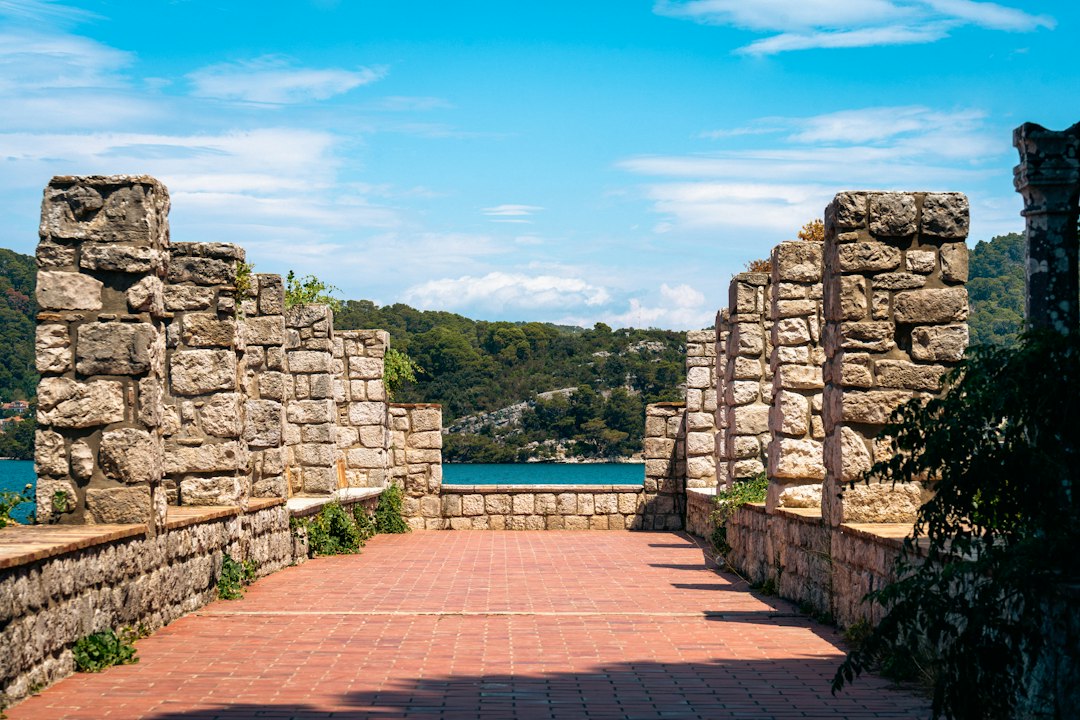
The bazaar is located at the foot of the castle and extends along a street of several hundred meters. During the Ottoman period, Krujë was an active commercial hub, and the market still reflects this historical vocation: it was not created for tourists, but has survived despite tourism remaining limited compared to other destinations in the region.
Colors, sounds, and atmosphere
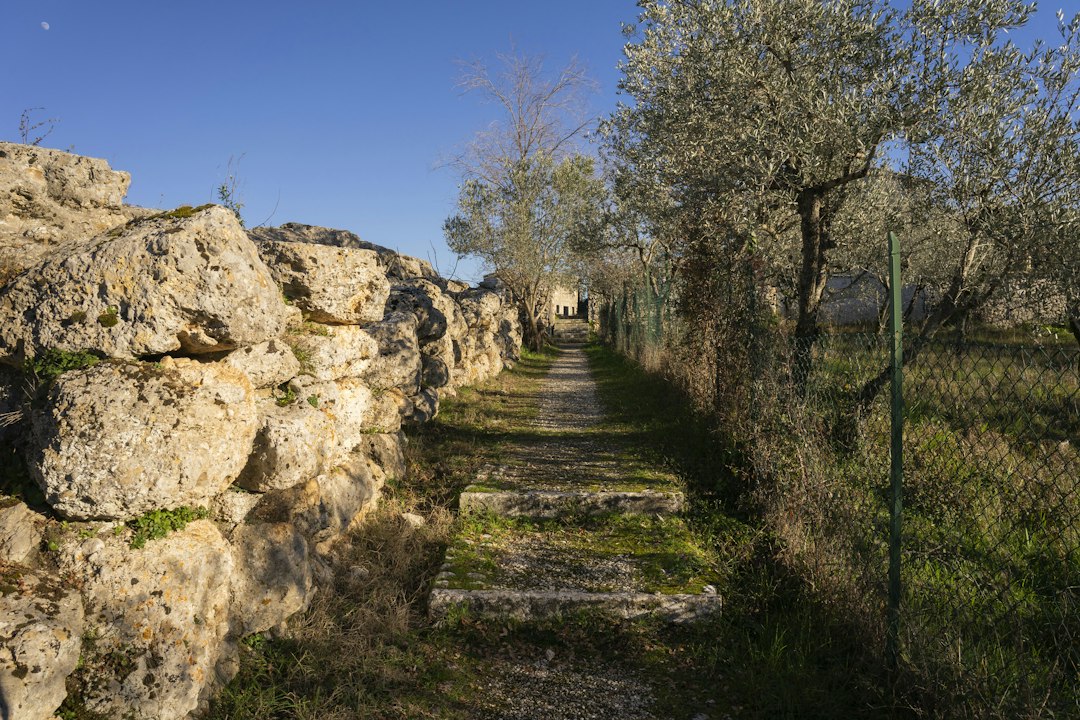
Walking in the bazaar means moving among surfaces of saturated colors: the red and black of the embroidered fabrics hanging from the beams, the aquamarine of the glazed ceramics, the brownish yellow of the brass objects displayed on rough wooden shelves. The noise is contained — a few voices, the distant hammering of a craftsman, the creaking of wooden doors moved by the wind coming down from the mountain. There are no loudspeakers, there is no amplified music.
The vendors, mostly elderly women and men in their sixties, tend not to be aggressive. It is normal to stop and look without being urged to buy. Some shops have hand-written signs in Albanian and basic English; in a few, Italian is spoken, but gestural communication works well for prices.
Practical tips for the visit
Krujë can be reached from Tirana in about 45 minutes by car, taking the state road that goes northeast. There are also shared vans (furgon) that leave from the informal station of Zogu i Zi in Tirana, with varying frequency in the morning hours. The best time to visit the bazaar is in the morning, between 9 and 12, when all the shops are open and natural light illuminates the fabrics displayed outside. In the early afternoon, especially in summer, some shops close their shutters for a break.
Allow at least two hours for the bazaar and the castle together. Entrance to the Skanderbeg Museum requires a ticket, which costs approximately less than 5 euros. Bring cash in Albanian lek: very few shops accept payment cards. Avoid visiting on Monday, when some businesses remain closed.


