



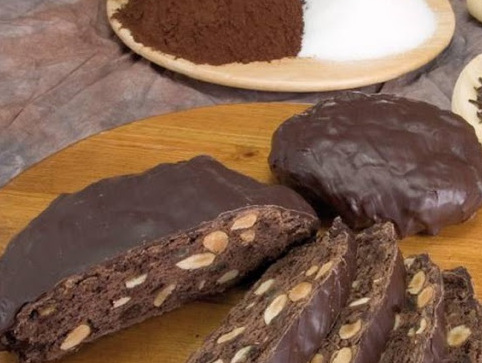
Nestled within the enchanting city of Ferrara, the Pampepato di Ferrara is not merely a cake; it is a testament to the city's rich history and culinary tradition. This delectable dessert, steeped in Renaissance charm, offers a taste of the past that has delighted palates for centuries.
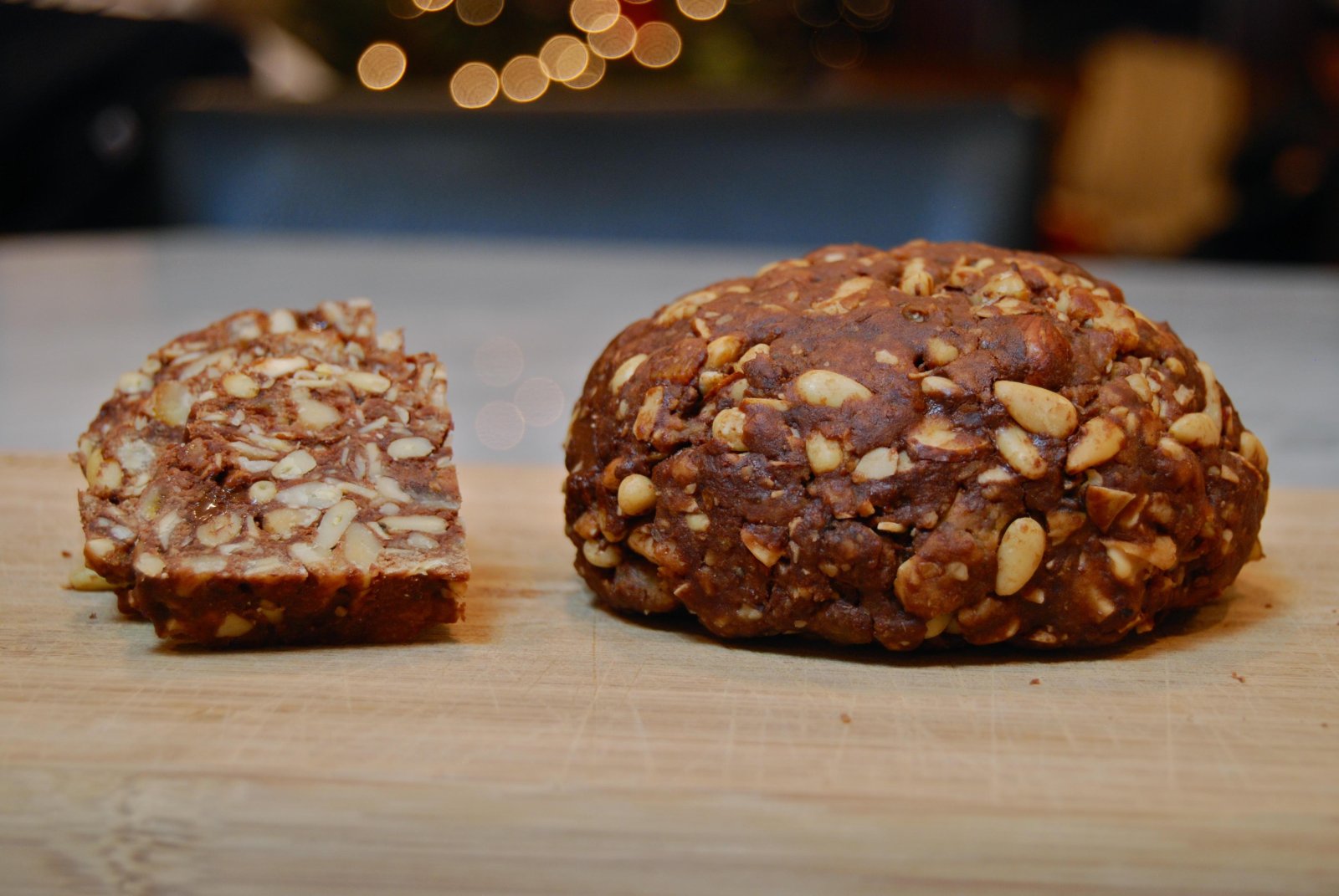
The story of Pampepato dates back to the 1600s when the nuns of the Corpus Domini Monastery began crafting this unique cake. Inspired by the renowned chef Cristoforo da Messisbugo, whose recipes were celebrated in the courts of the Italian nobility, the nuns sought to create a sweet that could enchant the prominent figures of their time. With the arrival of cocoa in Europe, thanks to the Spanish conquests led by Hernán Cortés, the nuns found a precious ingredient that would elevate their creation. Cocoa was a luxury, enjoyed only by the elite, and its addition to the Pampepato transformed it into a true delicacy.
The cake itself is shaped like a zuccotto, a dome-like dessert traditionally associated with Italian festivities. Its interior is a harmonious blend of finely chopped almonds or hazelnuts, delightful candied fruits, and aromatic spices such as cinnamon and nutmeg. The crowning touch is a rich layer of dark chocolate that not only enhances the flavor but also symbolizes the cake's regal origins, often referred to as Pan del Papa—the bread of the Pope.
Beyond its culinary significance, the Pampepato also reflects the artistic legacy of Ferrara. The city, a UNESCO World Heritage site, is known for its stunning Renaissance architecture. The imposing Castello Estense, with its moats and towers, stands as a symbol of the Este family’s power and influence. This architectural marvel is not far from the narrow streets where the nuns once mixed their ingredients, creating a visual narrative that connects the city’s past with its present.
Local culture in Ferrara is rich with traditions, many of which are intertwined with the seasonal celebrations. Christmas is a particularly important time for the Pampepato; families gather to enjoy this cake as part of their holiday feasts. The annual Festa del Pampepato, usually held in December, allows both locals and visitors to indulge in this sweet treat while celebrating Ferrara’s culinary heritage. The festival also features music, art performances, and a market showcasing local artisans, making it an essential experience for anyone wishing to soak in the city’s vibrant atmosphere.
In addition to Pampepato, Ferrara is home to a wealth of traditional dishes that reflect the region’s agricultural bounty. Cappellacci di zucca, a type of pasta stuffed with pumpkin, and salama da sugo, a savory pork sausage, are just a few of the gastronomic delights that visitors can savor. The local wines, particularly Pignoletto, a white wine known for its crispness, perfectly complement these dishes and elevate the dining experience.
For those intrigued by the lesser-known aspects of Pampepato, there are curious stories that add depth to its legacy. The name itself, "Pampepato," is said to derive from the Italian word "pepe" (pepper), although the cake contains no pepper at all. Instead, it’s a reflection of the historical trade routes that once flourished in Ferrara, where exotic spices were highly sought after. Additionally, Pampepato was often gifted to dignitaries, a practice that reinforced its status as a symbol of hospitality and reverence.
When planning a visit to Ferrara to experience this delightful cake, the best time to go is during the Christmas season, when the city is adorned with festive lights and decorations. However, spring, with its blooming gardens and mild weather, is also a beautiful time to explore. Be sure to visit the Mercato Coperto, a bustling covered market where you can find artisanal products, including freshly made Pampepato.
Taking time to stroll through the historic center, visitors can also discover the Palazzo dei Diamanti, an architectural wonder known for its diamond-shaped stone facade. This palace is home to the Pinacoteca Nazionale, showcasing works by artists such as Bologna’s Guercino and Ferrara’s own Cosmè Tura.
As you wander through the cobbled streets and indulge in the flavors of Ferrara, let the story of Pampepato guide you through centuries of tradition, artistry, and culture. For a tailored experience that captures the essence of this remarkable city, consider using the Secret World app to plan your personalized itinerary.
