
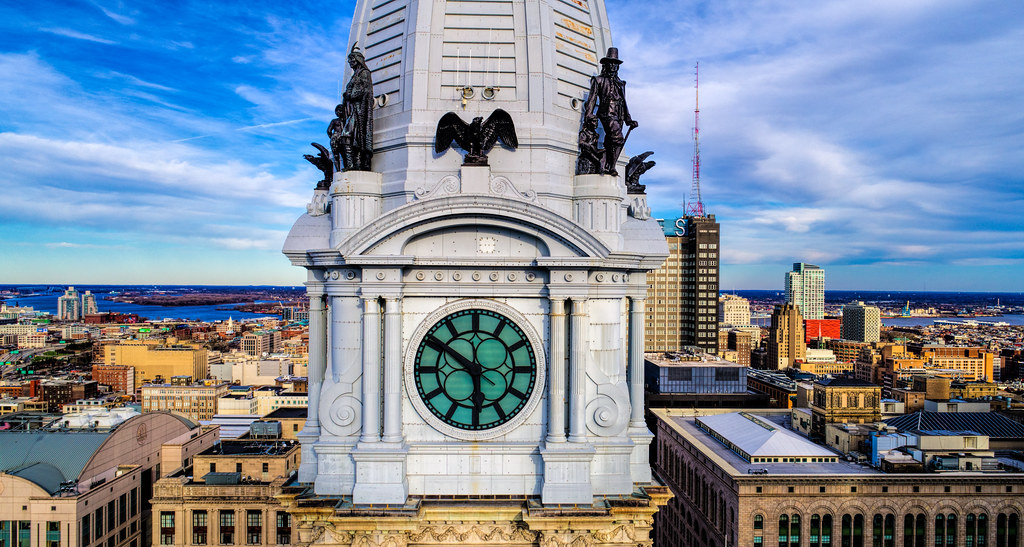

The Philadelphia City Hall Clock Tower stands as one of the most imposing yet underappreciated icons in the United States. Rising to a total height of 167 meters (548 feet) — including the iconic statue of William Penn at the very top — it is not only the world’s largest municipal building by volume, but also a remarkable feat of 19th-century engineering that holds a surprising number of little-known stories, quirks, and almost mythical details.
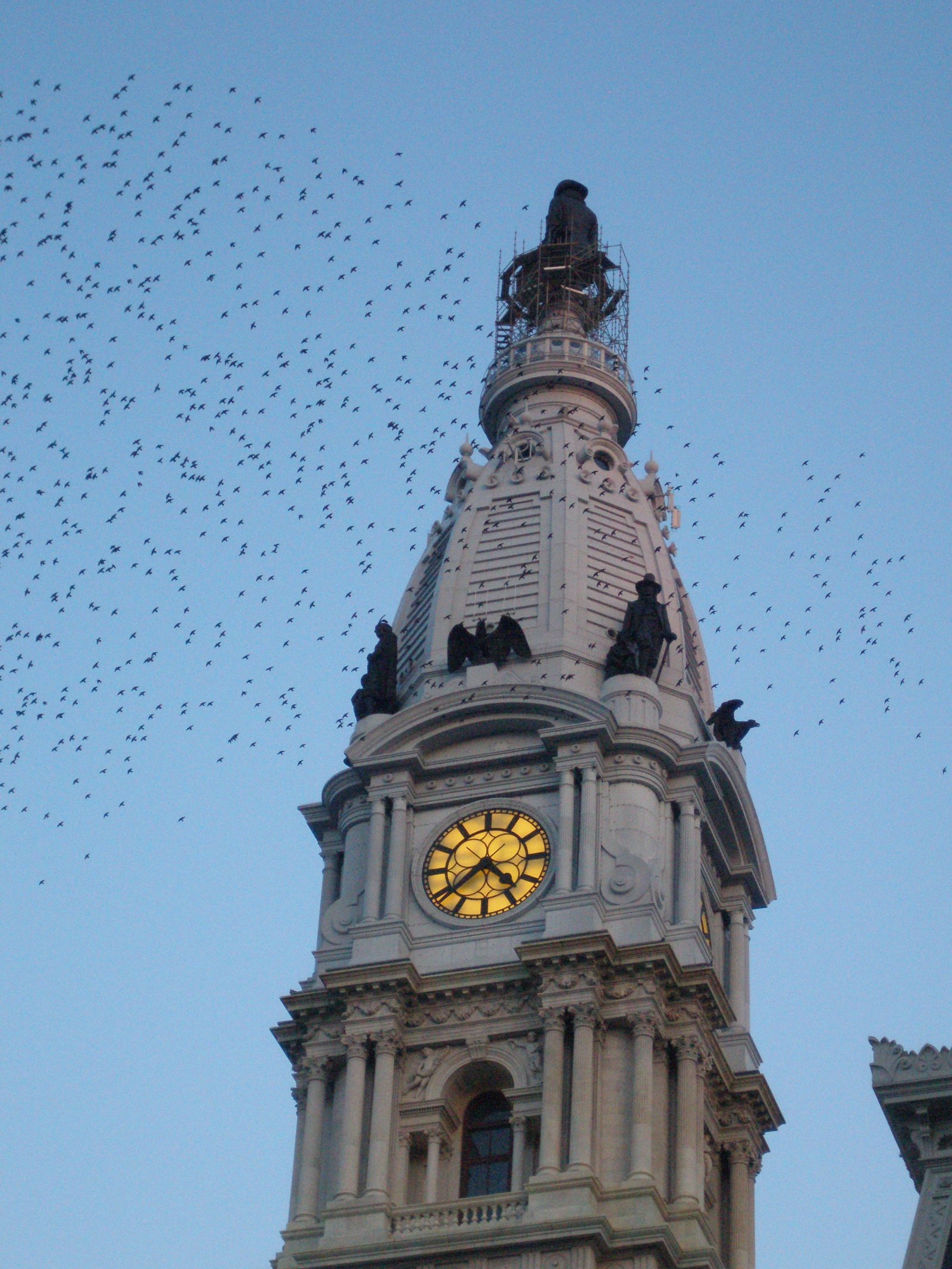
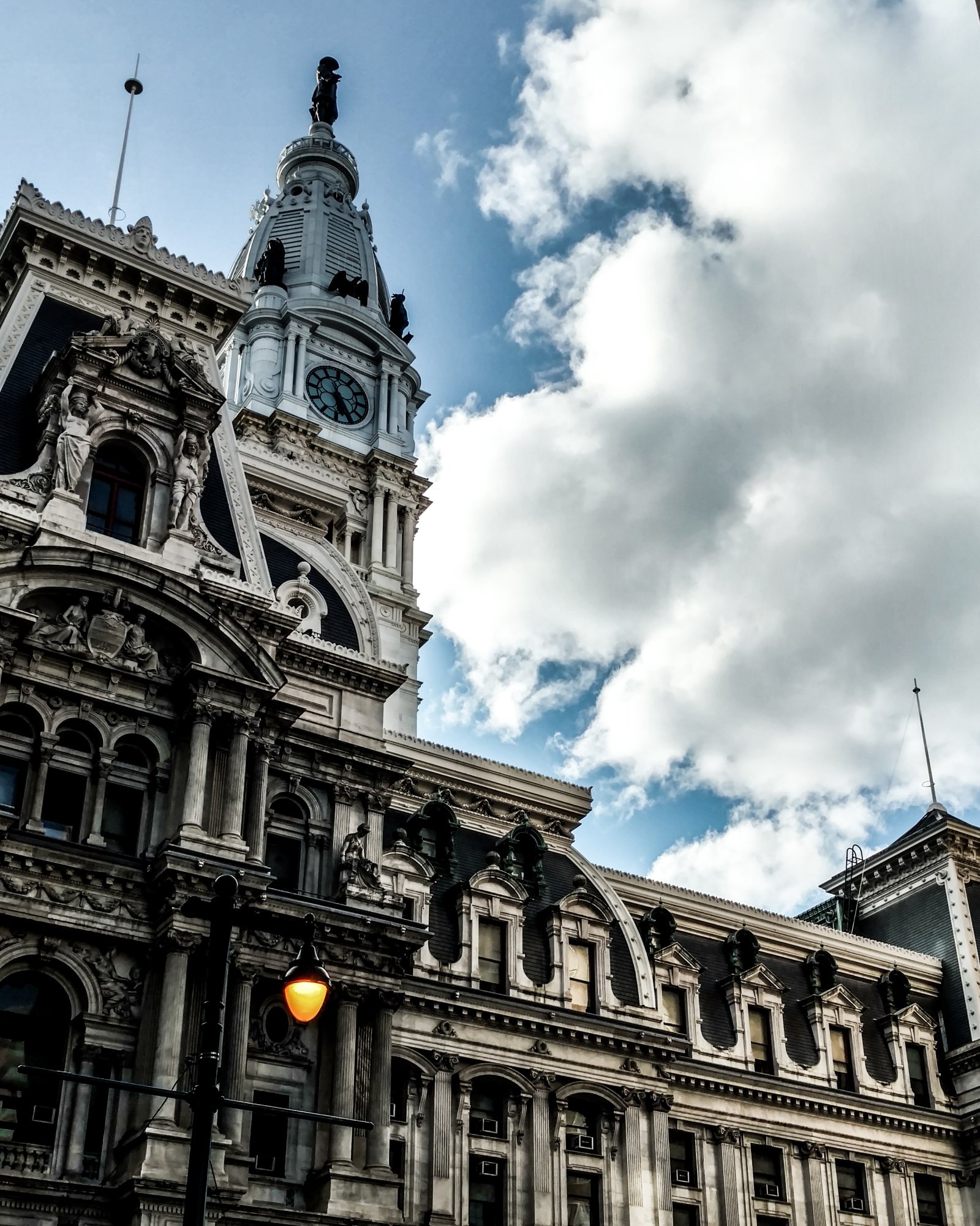
Designed by chief architect John McArthur Jr. (with influences from Thomas Ustick Walter), construction began in 1871 and was finally completed in 1901 after a staggering 30 years of slow, expensive work (costing about $24 million at the time, equivalent to over $600 million today). The original ambition was bold: to create the tallest structure on Earth. But the Eiffel Tower (301 m, completed in 1889) arrived first, so Philadelphia had to settle for the title of the tallest occupied building in the world from 1894 until 1908 (when New York’s Singer Building surpassed it). Remarkably, it remained the tallest building in Philadelphia until 1987, thanks to a famous “gentlemen’s agreement” among developers: no skyscraper could rise higher than the brim of William Penn’s hat.
The Giant Clock and Its Secret Mechanics
Each of the four clock faces (one on every side) measures 26 feet (7.9 meters) in diameter — larger than Big Ben’s (7 m). Designed by Warren Johnson and installed in 1898, they were among the most precise timepieces of their era. A little-known tradition (still documented in some historical records) began shortly after installation: every evening at exactly 8:57 p.m., the tower’s lights would go out, only to relight precisely at 9:00 p.m.. This allowed people far across the city — who couldn’t see the hands clearly — to synchronize their watches with perfect accuracy. A simple yet brilliant ritual for an era without digital time.
Another mechanical curiosity: the entire tower above the clock level is built without a modern steel frame. It relies entirely on load-bearing masonry (granite, marble, and 88 million bricks) with cast-iron reinforcements only in the upper sections. It remains one of the tallest masonry structures ever built without contemporary steel skeleton support.
The Bronze Statues: More Than Just William Penn
Crowning the tower is the colossal statue of William Penn (37 feet / 11.3 m tall, weighing over 53,000 pounds / 24 tons), still the largest statue atop any building in the world. Sculpted by Alexander Milne Calder (grandfather of the famous mobile-sculpture artist Alexander Calder), it was hoisted in 14 sections in 1894. A rarely mentioned detail: originally planned to face south, it was rotated during installation (on Thanksgiving Day 1894) to face northeast toward Penn Treaty Park on the Delaware River — the exact site where Penn signed his famous peace treaty with the Lenape people in 1682. Many saw it as a deliberate slight to the city’s elite, but Calder and contemporary newspapers explained it was purely for “architectural balance.”
Below Penn, at around 100 meters up (above the clock faces), sit four massive bronze eagles (each weighing 3 tons with a 12-foot / 3.7 m wingspan). Further down are sculptural groups honoring the city’s earliest inhabitants: a Native American man with a dog, a Native woman with a child, a Swedish man with a child, and a Swedish woman with a lamb and child. These are quiet tributes to the Swedish settlers (who arrived in 1638) and the indigenous Lenape people — an unusually multicultural gesture for a late-19th-century government building, long before diversity became a common theme.
Little-Known Facts and Urban Legends
- The tower’s antique elevator still carries visitors to the open observation deck. During the ride, you catch glimpses of 19th-century bricks, arched windows, and original tools — a literal journey through time.
- Until 1987, the “gentlemen’s agreement” prevented any building from rising above Penn’s hat. When One Liberty Place broke the rule in 1987, many sports fans blamed the “Curse of Billy Penn” for the city’s championship drought (Eagles, Phillies, 76ers, Flyers). The curse was “broken” in 2007 when a miniature Penn statue was placed atop the Comcast Center.
- The tower contains over 250 sculptures in total (most by Calder), including Native Americans, Quakers, eagles, and allegorical figures — a true open-air museum that almost no one notices from street level.
Today, the City Hall Tower Tour (guided and limited) offers a breathtaking 360° view from the observation deck, with William Penn silently watching over the city he founded. It’s not just a clock tower or a steeple: it’s a living monument to perseverance, innovation, and the multicultural roots of one of America’s oldest cities.
If you ever find yourself in Philadelphia, don’t miss the climb — it remains one of the city’s best-kept secrets.


