
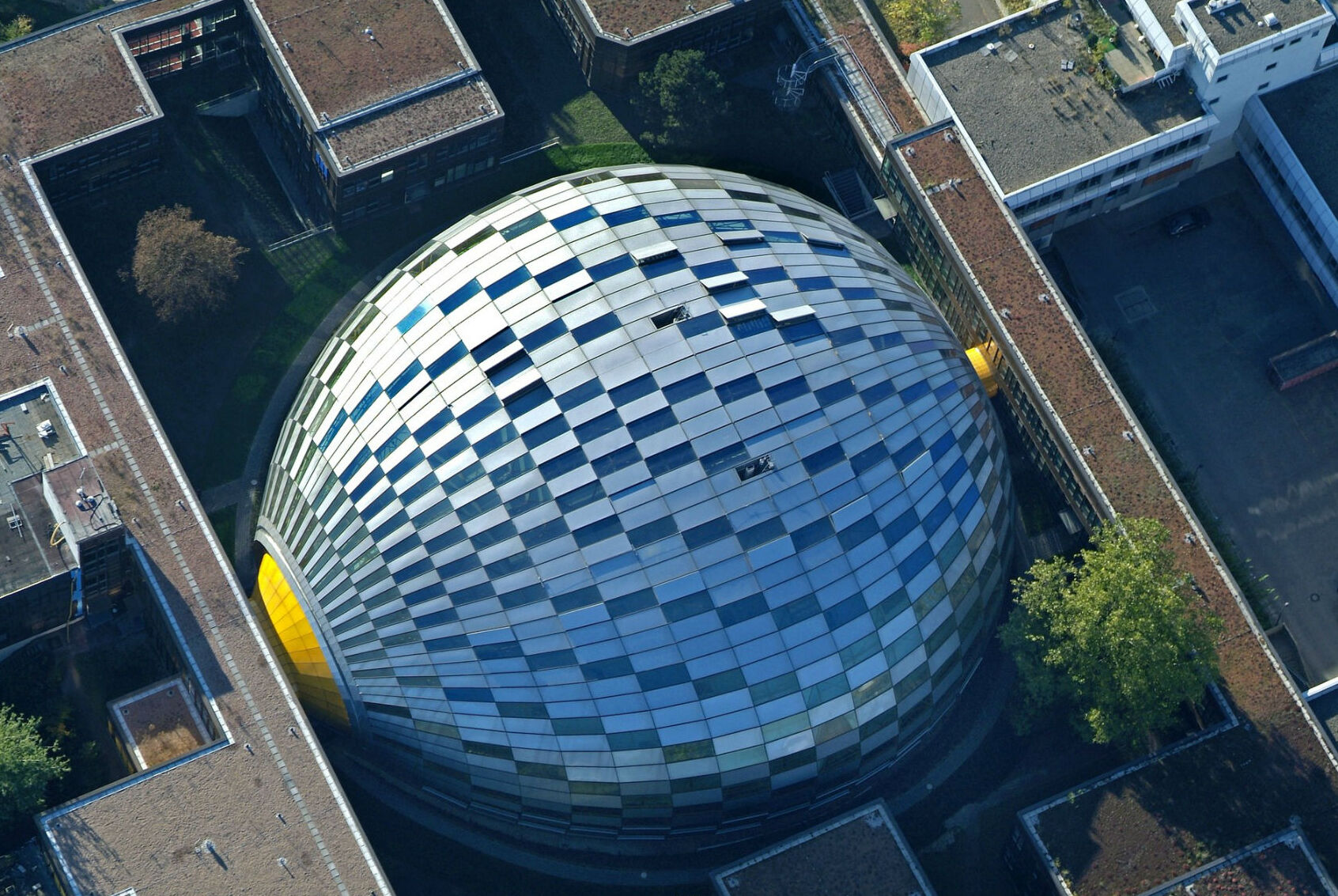

The Philology Library of the Free University of Berlin, affectionately nicknamed the “Brain,” is an architectural marvel that has captivated visitors since its opening in 2005. Its unique design, reminiscent of a brain's intricate folds, serves as a fitting tribute to the pursuit of knowledge and intellectual exploration. The library’s architecture was crafted by the renowned firm Kuehn Malvezzi, who envisioned a space that encourages creativity and collaboration among students and scholars alike. The Brain's striking silhouette is characterized by its flowing curves and open spaces, creating an inviting atmosphere for study and reflection.
The origins of the Free University of Berlin date back to 1948, founded in the aftermath of World War II by a group of scholars aiming to provide an alternative to traditional education under the constraints of the then-divided city. This spirit of independence and commitment to free thought is echoed in the library's design, which seeks to foster an environment of intellectual engagement. As the university grew, so did the need for a modern library that could house its extensive collection of philological texts and provide a central hub for research and learning.
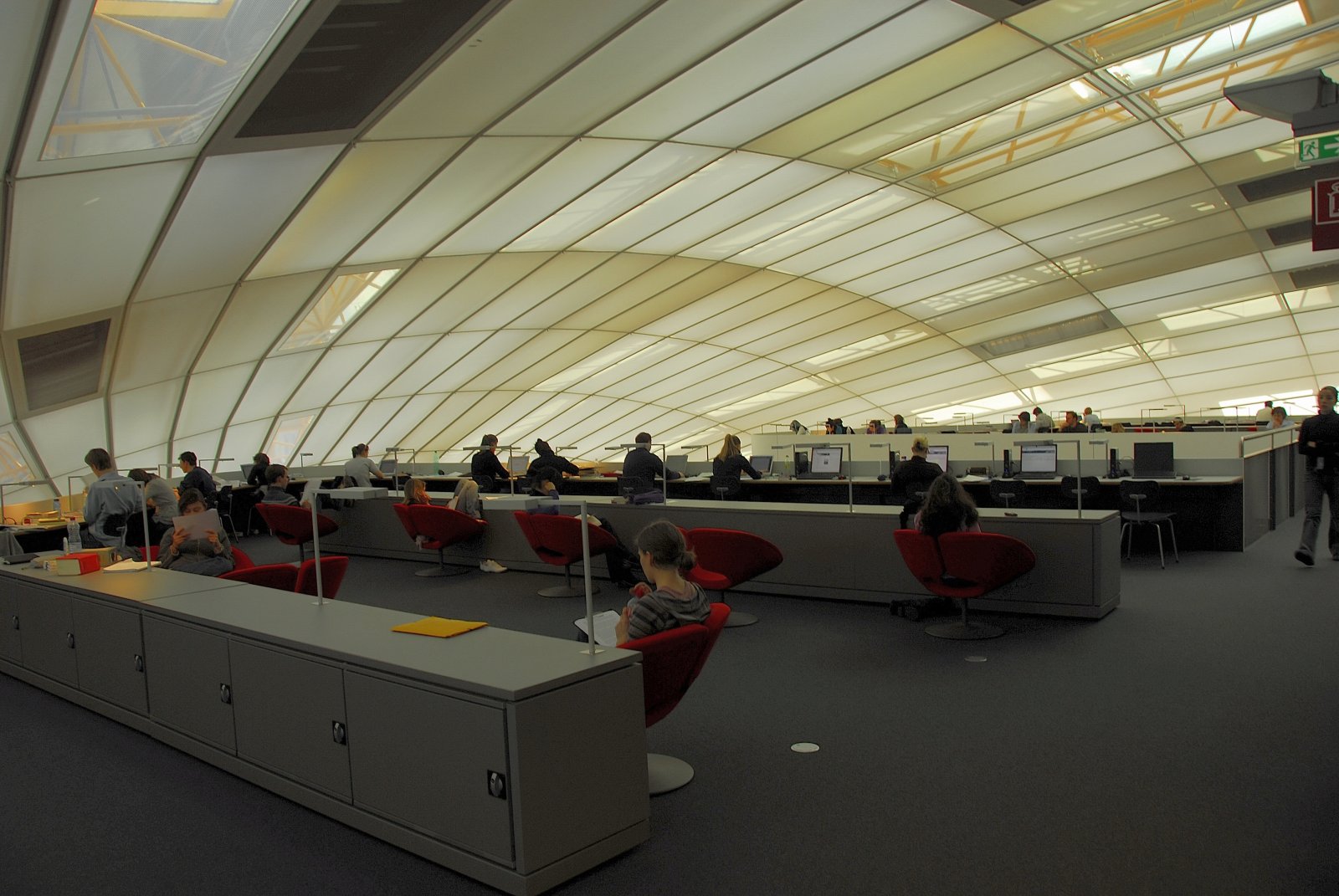
Architecturally, the library stands out with its contemporary style, marked by an innovative use of light and space. The Brain’s four floors are interconnected with curved staircases and balconies, allowing natural light to flood the interior. Each floor spirals around a central atrium, creating a sense of openness and continuity. The walls are adorned with large, colorful murals that depict various aspects of literature and language, enhancing the artistic ambiance of the space.
In terms of local culture, the Free University is deeply rooted in the vibrant fabric of Berlin. The university regularly hosts events such as public lectures, workshops, and cultural festivals that showcase the city’s rich academic and artistic heritage. One notable event is the annual Berlin Science Week, which celebrates innovation and research, drawing participants and attendees from around the globe. Visitors can immerse themselves in the dynamic atmosphere of the university, experiencing firsthand the intellectual fervor that defines this part of the city.
When it comes to gastronomy, Berlin is a melting pot of flavors, and the area surrounding the Philology Library is no exception. Just a short walk from the library, you can indulge in local delicacies such as Currywurst, a beloved street food consisting of sausage topped with a special curry ketchup, or enjoy a hearty Berliner Pfannkuchen, a sweet filled doughnut, often enjoyed as a treat at local cafés. The nearby Steglitz district boasts a variety of eateries ranging from traditional German cuisine to international dishes, ensuring that there is something to satisfy every palate.
For those looking to uncover lesser-known curiosities, consider this: the Philology Library is not just a repository of books but also a treasure trove of hidden details. The building’s design cleverly incorporates acoustic elements to enhance the study environment, making it one of the most tranquil places in the city for academic pursuits. Additionally, the library features a special collection of rare manuscripts and historical texts, providing a glimpse into the evolution of language and literature.
The best time to visit the Philology Library is during the academic year, from September to July, when the university buzzes with activity. However, even during summer, the library remains a serene sanctuary for those seeking solace in literature. To make the most of your visit, consider joining a guided tour offered by the university, which often includes insights into the architectural details and the library’s unique collections.
In conclusion, the Philology Library of the Free University of Berlin is more than just a building; it's a vibrant part of Berlin's intellectual landscape, merging art, architecture, and culture into a singular experience. Whether you're an academic, a lover of architecture, or simply curious about Berlin's educational institutions, a visit to this remarkable library is sure to leave a lasting impression. Explore its many layers and let the inspiration flow.
To plan your personalized visit to Berlin, consider using the Secret World app for tailored itinerary suggestions.


