
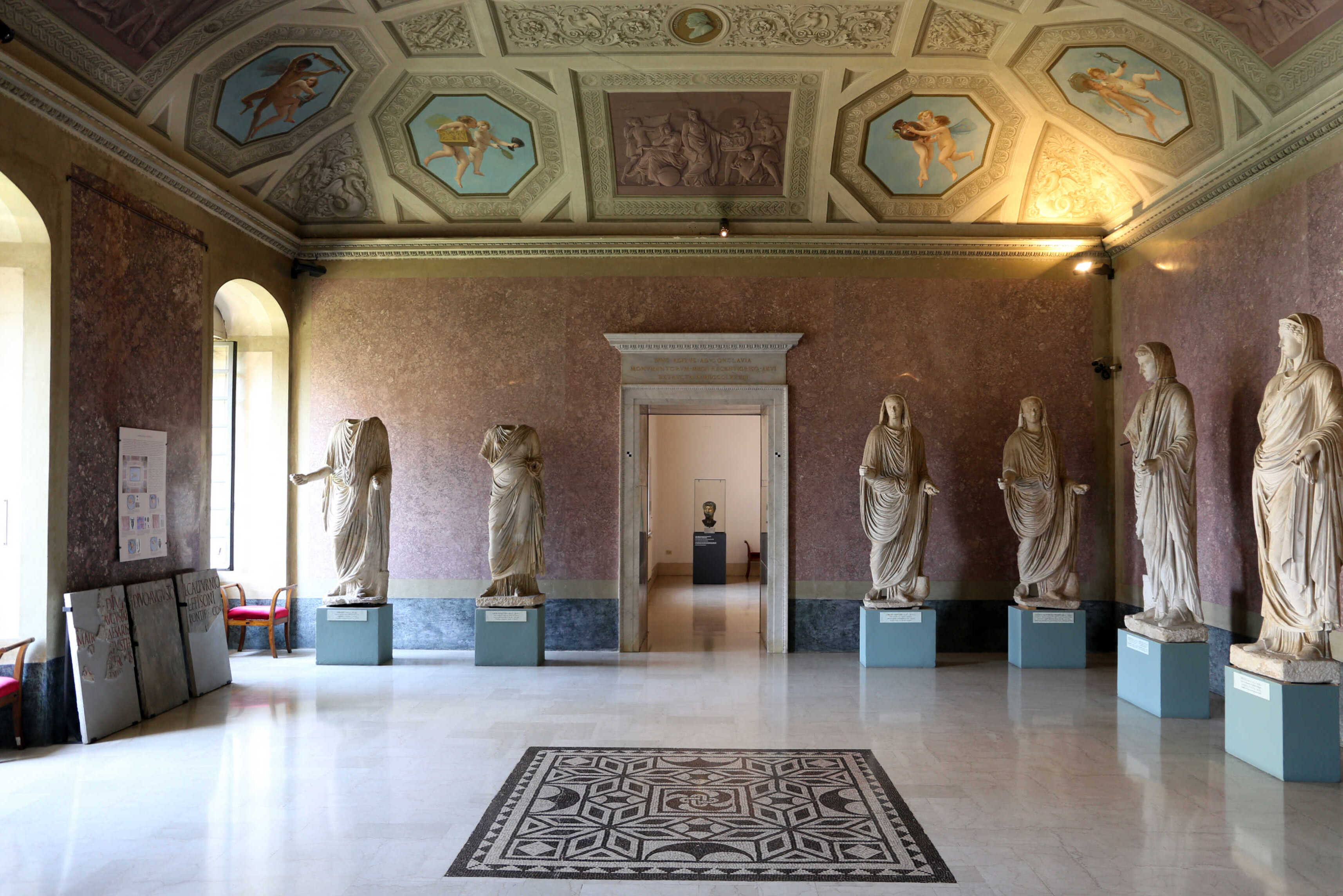

Nestled in the heart of Parma, the Pilotta Palace Museum stands as a testament to the rich tapestry of history that defines this vibrant Italian city. Founded in 1760 by Filippo di Borbone, the museum was initially created to preserve remarkable artifacts unearthed from the ancient Roman municipium of Veleia. Among its most prized possessions is the bronze Tabula alimentaria, a significant inscription detailing the Roman welfare system for children.
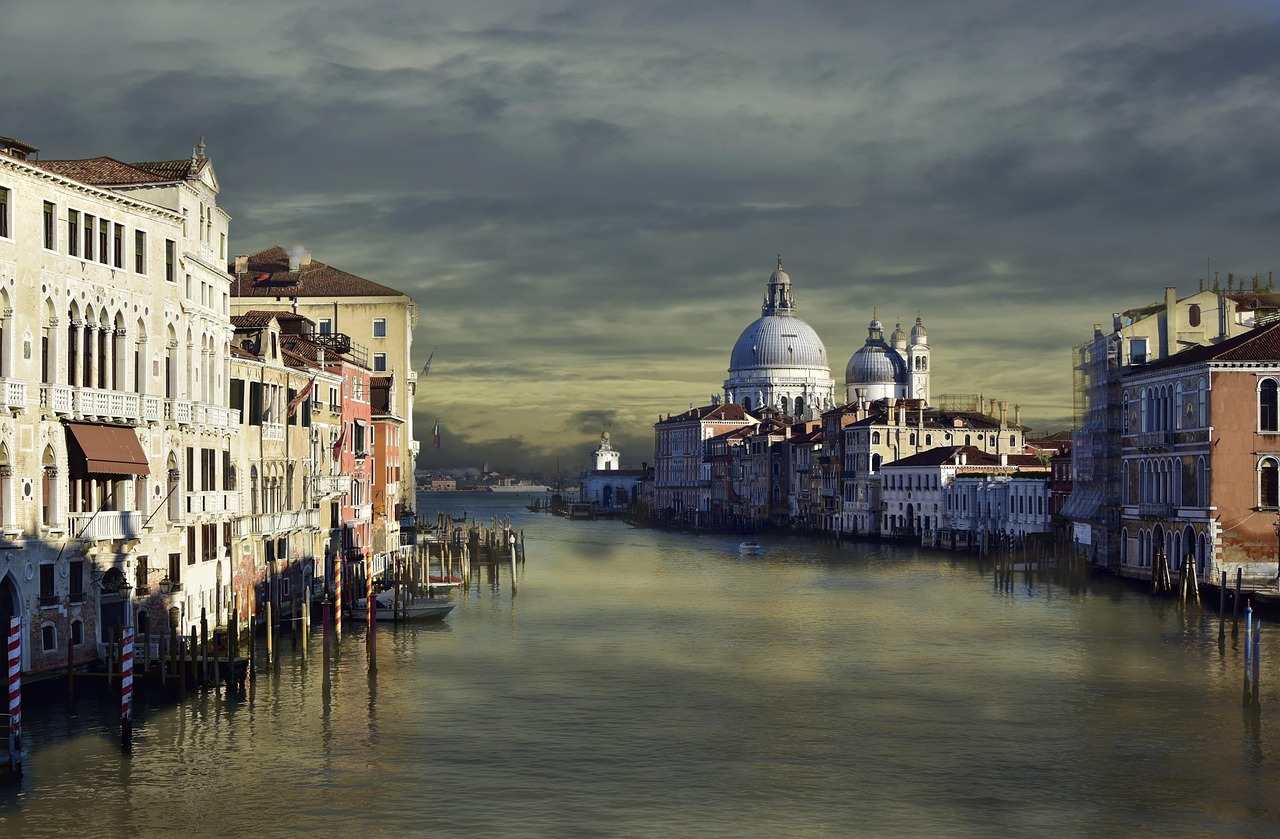
Over the years, the museum expanded its collection through strategic acquisitions, offering visitors a glimpse into the region's extensive historical narrative. In 1867, one of Italy's first prehistoric collections emerged here, further solidifying the Pilotta’s role as a repository of cultural heritage.
The museum is divided into two main sections. The first focuses on historical collections, featuring extraordinary materials from Veleia, including twelve striking marble statues representing the Julio-Claudian imperial family from the first half of the first century AD. This section also showcases an impressive array of Greek, Italic, and Etruscan ceramics, each piece telling a story of artistry and tradition. The Egyptian section is particularly noteworthy, housing sarcophagi, canopic vases, papyrus scrolls, votive bronzes, and the remarkable Magnarini Collection, which includes 429 beetle-seals dating from 2100 to 525 BC.
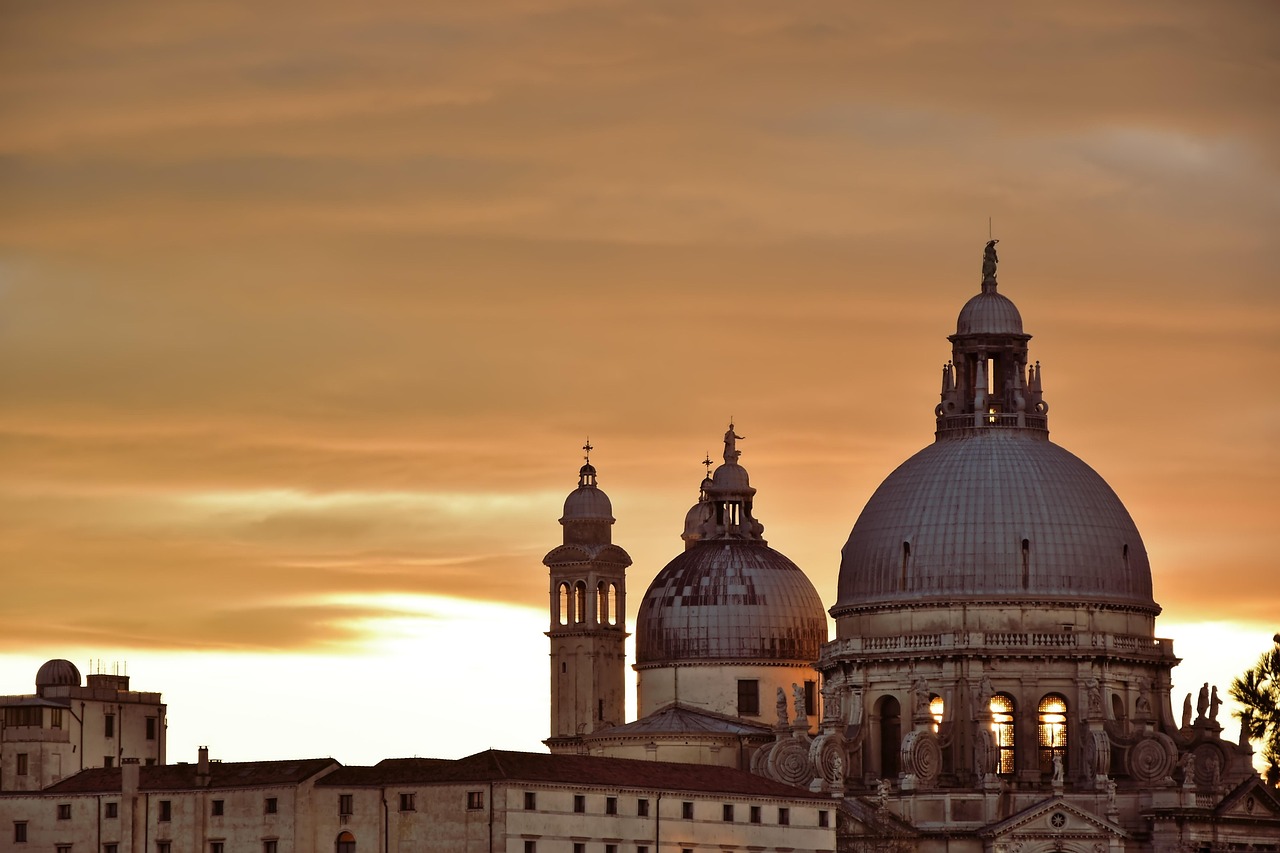
Architecturally, the Pilotta Palace is a masterpiece of Renaissance design. The building itself, with its grand façade and expansive courtyards, reflects the era’s emphasis on symmetry and proportion. Notable artworks within the museum include the frescoes by Giuseppe Maria Crespi, which embellish its walls, inviting visitors to appreciate the interplay of light and color that characterizes the period. The architectural significance of the Pilotta extends beyond its exterior; the interior spaces are equally captivating, offering a harmonious blend of historical context and artistic elegance.
Local culture in Parma thrives on a blend of ancient traditions and modern expressions. The city is renowned for its vibrant festivals, such as the Verdi Festival, celebrating the legacy of the famed composer Giuseppe Verdi, whose operas echo through the streets during performances. The Festa della Musica, held in June, transforms the city into a symphony of sounds, highlighting local musicians and artists. Parma's rich cultural heritage is further underscored by its culinary traditions, where food plays a pivotal role in daily life.
When it comes to gastronomy, Parma is a haven for food lovers. The region is celebrated for its world-famous Parmesan cheese and Parma ham (prosciutto di Parma), both of which are integral to the local diet. A visit to the Pilotta would be incomplete without indulging in local delicacies such as tortelli d'erbetta—a pasta filled with herbs and cheese—or cappelletti, often served in rich broths. Pair these dishes with a glass of Lambrusco, a sparkling red wine that complements the hearty flavors of the region.
As with any remarkable site, the Pilotta Palace Museum holds its own share of lesser-known curiosities. One intriguing detail is the hidden medallion collection, which is not typically open to the public, yet it houses exquisite pieces of art that provide deeper insight into the artistic trends of various historical periods. Additionally, the museum's location within the palace grounds connects visitors with Parma's history as a center of noble power, where the Ducal Palace once thrived.
For those planning a visit, the best time to explore the Pilotta Palace Museum is during the spring and fall months, when the weather is mild and the crowds are smaller. It’s advisable to check the museum's calendar for special exhibitions or events that might enrich your experience. While exploring, pay close attention to the details in the artifacts; each piece has a story that contributes to the broader narrative of Parma and its historical significance.
In summary, the Pilotta Palace Museum offers an unparalleled journey through time, art, and culture. Its historical artifacts, architectural grandeur, and the vibrant traditions of Parma create an experience that is both educational and enchanting. To make the most of your visit to this historic treasure, consider using the Secret World app to craft a personalized itinerary tailored to your interests.


