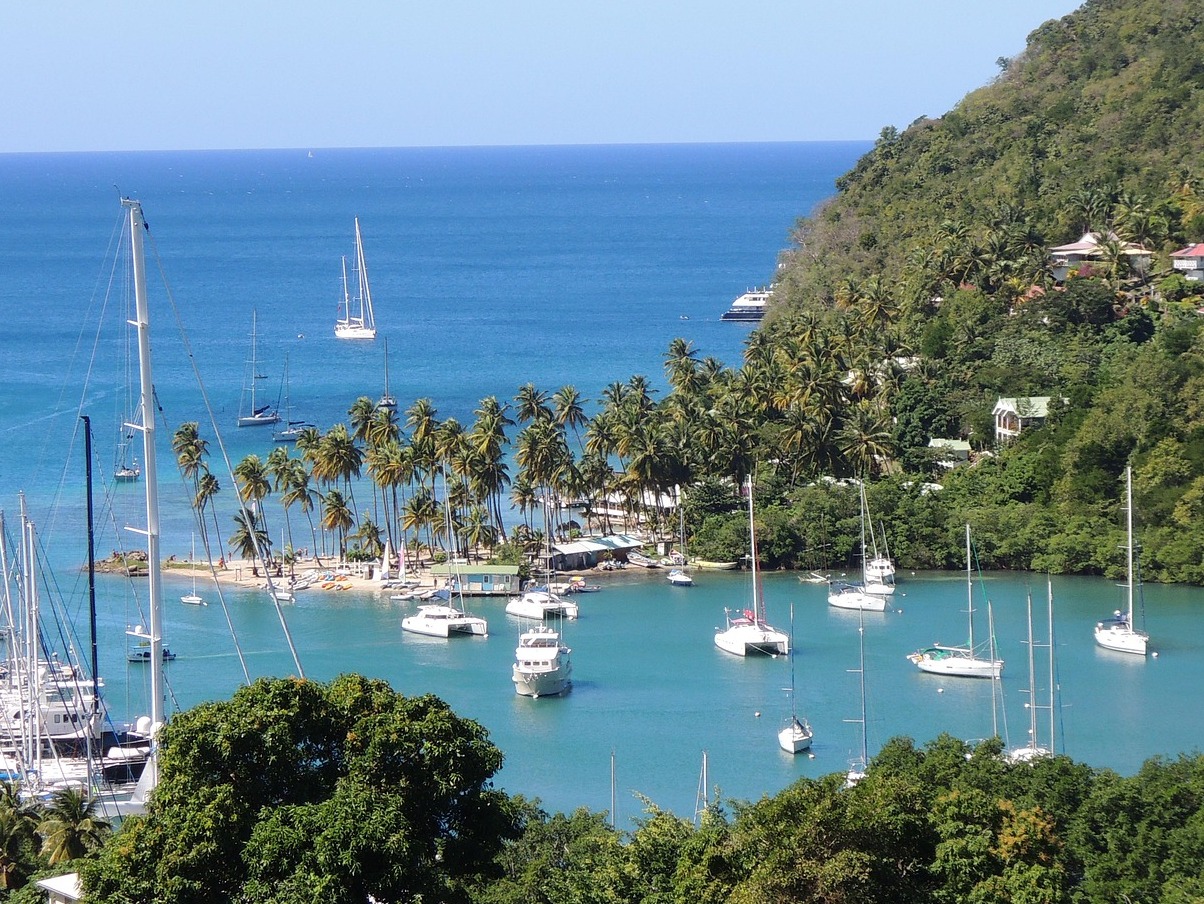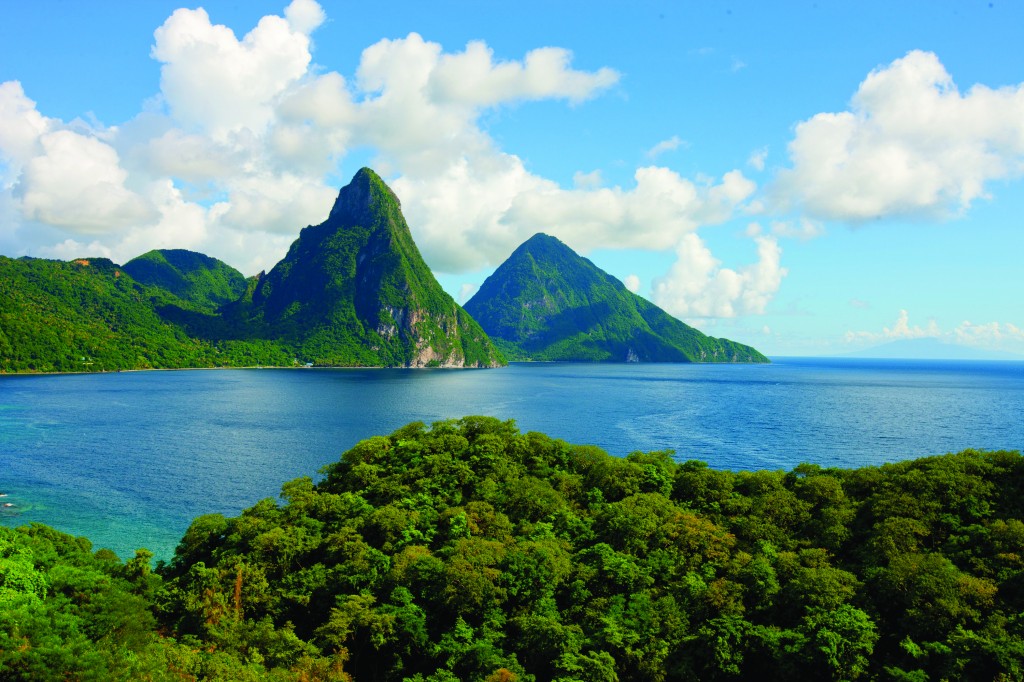

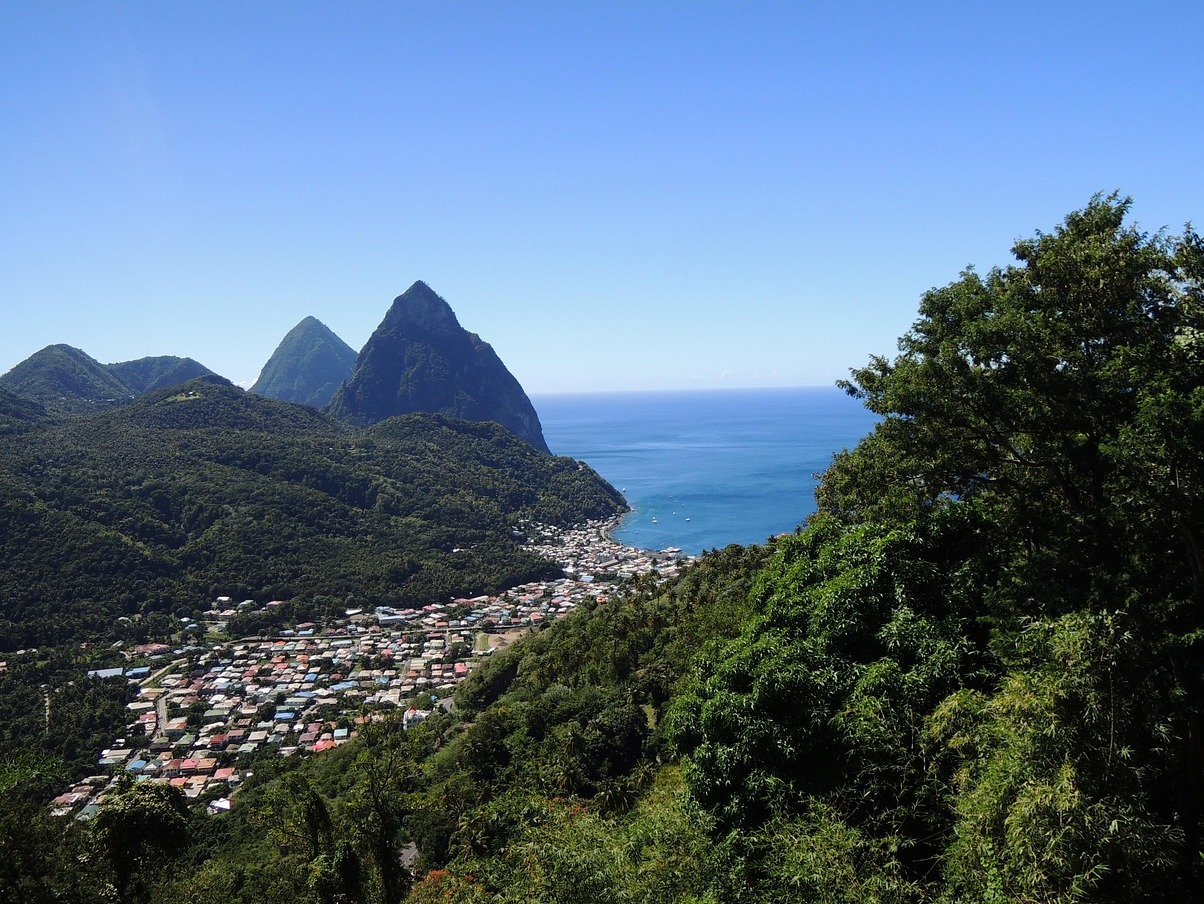
Rising dramatically from the azure waters of the Caribbean Sea, The Pitons are the iconic symbols of St. Lucia, a breathtaking Caribbean island rich in both natural beauty and cultural heritage. These twin peaks, known as Gros Piton and Petit Piton, are not merely geological formations; they are steeped in ancient history and local folklore that adds layers of meaning to their majestic presence.
### History and Origins
The origins of the Pitons date back approximately 200,000 to 300,000 years, a legacy of the island's volcanic activity. The Gros Piton, reaching a height of 798 meters, and the Petit Piton, standing at 750 meters, are remnants of a much more turbulent geological past. The first recorded ascent of the Gros Piton was in 1979, undertaken by a local guide, highlighting the peaks’ challenging nature and their allure for climbers and adventurers.
Local legends speak of the Pitons as the embodiment of two lovers turned to stone, a tale reflecting the vibrant oral traditions of the island’s indigenous peoples. The Caribs and Arawaks, who originally inhabited the area, revered the mountains as sacred, infusing them with spiritual significance that persists in local culture today.
### Art and Architecture
While the Pitons themselves are natural wonders, St. Lucia boasts an array of artistic expressions inspired by these peaks. Traditional architecture in the nearby town of Soufrière reflects a blend of French and British colonial styles, with brightly colored wooden houses dotting the landscape. The Church of the Assumption, built in the 18th century, is a significant architectural landmark that showcases the island’s colonial past.
In contemporary art, local artists often depict the Pitons in vibrant paintings, capturing their imposing presence against the backdrop of lush greenery and azure waters. The annual Saint Lucia Jazz & Arts Festival also brings together artists from across the Caribbean, further celebrating the artistic significance of the landscape.
### Local Culture and Traditions
The culture of St. Lucia is a rich tapestry woven from its African, French, and British heritage. Carnival, held every July, is a vibrant explosion of color, music, and dance that celebrates the island’s diverse influences. The Pitons serve as a stunning backdrop during the festivities, drawing locals and tourists alike to partake in the revelry.
Traditional customs are also alive and well in this region, with folklore playing a significant role in community gatherings. Locals celebrate the harvest season with La Woz Festival, honoring the island’s agricultural roots, particularly the sugar cane and cocoa crops. This festival often features traditional music, food, and dance, reflecting the island’s deep connection to its land.
### Gastronomy
The culinary scene in St. Lucia is a vibrant reflection of its cultural heritage. Local gastronomy features fresh seafood, tropical fruits, and spices that create unique dishes. One must-try delicacy is green fig and saltfish, a dish that highlights the island’s British influence. Callaloo soup, made from leafy greens, is another local favorite, often enjoyed at family gatherings or community events.
For those seeking a refreshing drink, the island’s rum is world-renowned. Distilleries like Pernod Ricard offer tours where visitors can learn about the rum-making process and sample some of the finest spirits. Don't miss the chance to try a Piton Beer, named after the iconic peaks, which pairs perfectly with local dishes.
### Lesser-Known Curiosities
While the Pitons are well-known, many visitors overlook the Botanical Gardens of Soufrière, located just a stone's throw away. This lush sanctuary is home to a diverse range of tropical plants, including the famous Jade Vine. Additionally, the nearby Sulphur Springs is often dubbed the “world's only drive-in volcano” and offers a unique geothermal experience with its hot springs and mud baths.
Another hidden gem is the Tet Paul Nature Trail, a relatively easy hike that offers spectacular views of the Pitons while providing insights into local flora and fauna, making it accessible even for those who may not wish to tackle the more challenging climbs.
### Practical Visitor Information
The best time to visit the Pitons is during the dry season, from December to April, when the weather is pleasant and humidity is at its lowest. Early morning or late afternoon hikes are recommended to avoid the midday heat and to enjoy the stunning views at sunrise or sunset.
For those wishing to climb the Gros Piton, hiring a local guide is essential, not only for safety but also to enrich the experience with their knowledge of the area. Be sure to bring plenty of water, snacks, and a good camera to capture the breathtaking vistas.
### Conclusion
The Pitons are more than just striking peaks; they are a symbol of St. Lucia’s natural beauty and cultural richness. Whether you’re hiking their trails, savoring local cuisine, or immersing yourself in the vibrant traditions, the Pitons offer an unforgettable experience that captures the heart and soul of this Caribbean paradise. To make the most of your visit, consider using the Secret World app to craft a personalized itinerary that uncovers the wonders of this enchanting destination.