
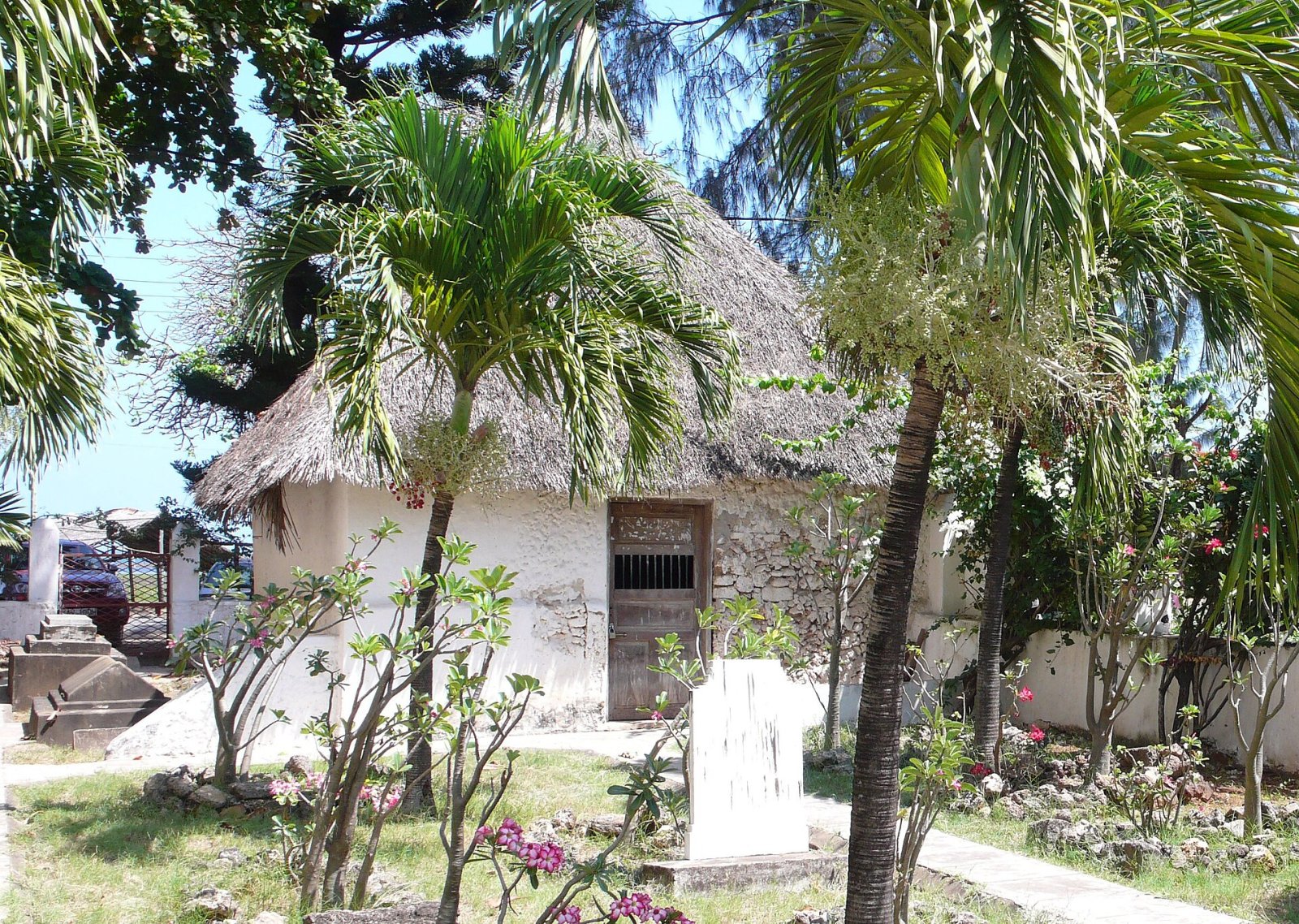

In the heart of historic Malindi, Kenya, stands the Portuguese Chapel, a monument that tells centuries of history and cultural encounters. Built around 1502, it is the first Christian place of worship in East Africa, erected by the residents of the Portuguese factory founded by Vasco da Gama during his second voyage to India. This small yet significant building represents an important landmark for the colonial history of the region and for the spread of Christianity at a time when Islam dominated the local religious landscape.
The Portuguese presence in Malindi began in 1498 with the arrival of Vasco da Gama, but it was only with the establishment of the factory in 1502 that a European outpost was consolidated in the area. The Chapel, although small in size, symbolized the resilience and determination of the Christian community, which at the time numbered only about sixty members. Despite its modest dimensions, the chapel was a beacon of hope in a context dominated by seventeen mosques, a symbol of the religious diversity that characterized the city.
History and Origins
The Portuguese Chapel was built during a period of great ferment for Malindi, which, thanks to its strategic position along the Indian Ocean coast, became an important trading center. The Portuguese factory, under the guidance of an officer known as the 'Captain of the Coast of Malindi', served as a trading point for goods and cultures. The chapel, dedicated to Christian worship, was located within a complex that included warehouses and residences, a clear sign of the Portuguese desire to establish a lasting presence in the region.
In 1542, the chapel gained particular importance when the Catholic missionary Francis Xavier, a future saint, stopped there during his journey to Goa. His visit underscores the connection between the chapel and the history of Christian missionary work in Africa. Despite the decrease in the number of mosques over the years, the Portuguese Chapel remained a symbol of religious tolerance and peaceful coexistence among different faiths.
Elements to Observe
Visiting the Portuguese Chapel, one encounters simple yet fascinating architecture that reflects the Portuguese style of the period. The stone walls, vaulted ceilings, and small windows create an intimate atmosphere, inviting visitors to reflect on the history that has permeated these places. Inside, one can admire some decorative elements that recall the Christian tradition, making the visit even more evocative.
Moreover, the cemetery adjacent to the chapel, where it is said that Francis Xavier buried a sailor, offers further reflection on life and death, the importance of community, and the sacrifices made by those who navigated these waters. This space, although modest, is imbued with deep significance, representing a tangible link to the past.
Why It Is Interesting Today
Today, the Portuguese Chapel is not only a place of worship but also a historical landmark that attracts visitors and scholars from around the world. Its historical and cultural importance makes it a site of great interest for those wishing to understand the colonial and religious dynamics of East Africa. The chapel is an example of how cultures have met and influenced each other, creating a unique heritage.
In an era when interreligious dialogue is more necessary than ever, the Portuguese Chapel represents a symbol of peace and tolerance. Its history is an invitation to reflect on the legacy left by missionaries and traders who, although motivated by economic interests, helped shape a multicultural society rich in history. For those wishing to further explore the history and culture of the region, the Secret World app offers useful resources for planning the visit.


