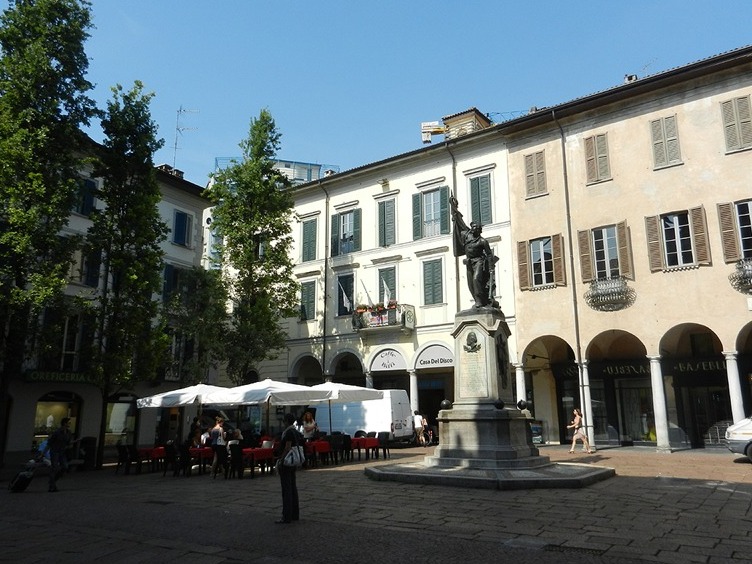

Nestled in the heart of Varese, the Praetorian Palace stands as a testament to the city’s rich history and vibrant culture. This architectural gem, located in Piazza del Podestà, has witnessed significant transformations since its inception. Originally established as the seat of the Praetorian and later the town hall, the palace has been central to the city’s municipal life for over three centuries, until its functions were transferred to Palazzo Estense in 1882. It is one of the few remaining structures that survived the urbanization efforts of the early 1900s, preserving the essence of Varese’s past amidst modern developments.
### History and Origins The Praetorian Palace traces its origins back to the early medieval period, reflecting the evolving political landscape of Varese. Initially constructed in the 14th century, it served as a key administrative hub during the Italian Renaissance. The palace’s historical significance is underscored by its role during the Battle of Varese in 1859, a pivotal event in the Italian unification movement led by figures like Giuseppe Garibaldi. The bronze monument dedicated to Garibaldi in the small square in front of the palace commemorates this important chapter in Italy’s history, making it a focal point for both locals and visitors alike.
### Art and Architecture The architectural style of the Praetorian Palace is a beautiful blend of Renaissance and Baroque influences, characterized by its elegant façade adorned with intricate details. The building’s symmetrical design and arched windows create a sense of harmony that reflects the artistic sensibilities of its time. Notable artworks within the palace include frescoes and sculptures that depict historical and mythological themes, contributing to its cultural richness.
Visitors can admire the grand staircase that leads to the upper floors, where the stunning Chamber of the Council and other significant rooms are located. These spaces are often highlighted for their decorative ceilings and period furniture, offering a glimpse into the opulence of past administrations.
### Local Culture and Traditions Varese is not only known for its historical landmarks but also for its vibrant local culture. The city hosts several festivals throughout the year, with the Festa di Varese in late spring being one of the most anticipated. This festival celebrates local traditions, featuring parades, music, and culinary delights that showcase the region’s heritage.
The Palio di Varese, a historical reenactment held in the summer, transports visitors back to the Middle Ages, where locals don traditional costumes and participate in games and competitions. Such events foster a strong sense of community and connection to the city’s roots.
### Gastronomy The culinary offerings of Varese are deeply intertwined with its history, making the local gastronomy a delightful experience for visitors. One must-try dish is Risotto con Pesce Persico, a delicious saffron-infused risotto often accompanied by perch, a fish from the nearby Lake Varese. Another local specialty is Torta di Pane, a sweet bread pudding that reflects the region's agricultural traditions.
Don’t miss the chance to sample Nocciola di Varese, a prized hazelnut variety that is often used in local pastries and desserts. Pair your meals with a glass of Sangiovese, a robust red wine that complements the rich flavors of Varese’s cuisine.
### Lesser-known Curiosities For those who delve deeper, the Praetorian Palace holds several hidden gems. One lesser-known fact is that the building was once home to secret archives that contained pivotal documents relating to the governance of Varese, providing insight into the city’s administrative history. Additionally, the nearby Palazzo Biumi, located adjacent to the palace, is often overshadowed but houses beautiful frescoes that are worth a visit.
Another intriguing story involves the palace’s underground chambers, rumored to have been used as secret meeting places during times of political unrest. While access to these areas may be restricted, the stories that surround them add an air of mystery to this historical site.
### Practical Visitor Information The best time to visit the Praetorian Palace is during the spring and early fall when the weather is mild and conducive to exploring the city. Plan your visit on a weekday to avoid the weekend crowds and take advantage of guided tours that provide deeper insights into the palace's history and architecture.
Be sure to check opening hours in advance, as they can vary seasonally. Look out for special events or exhibitions that may be taking place during your visit, as these can enhance your experience and provide a unique perspective on local culture.
In conclusion, the Praetorian Palace of Varese is not just a historical building; it is a vibrant symbol of the city's past and its cultural identity. Whether you are drawn in by its stunning architecture, rich history, or the local traditions that thrive around it, a visit to this remarkable site promises to be a memorable experience. For a personalized itinerary to explore Varese, consider using the Secret World app to uncover hidden treasures and local favorites.
