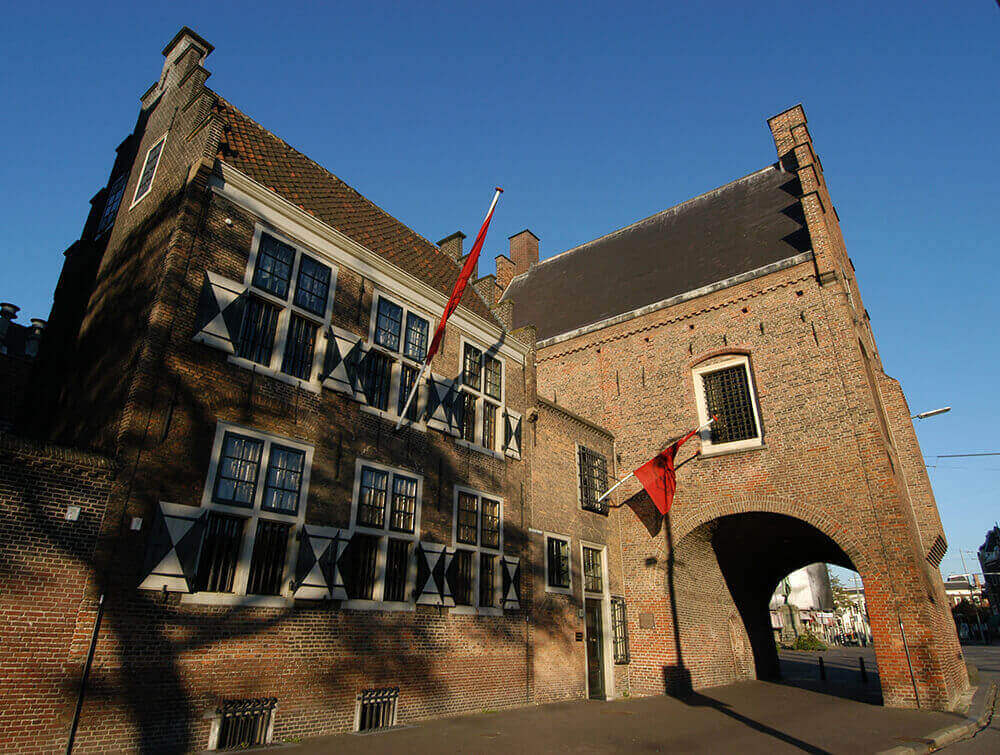
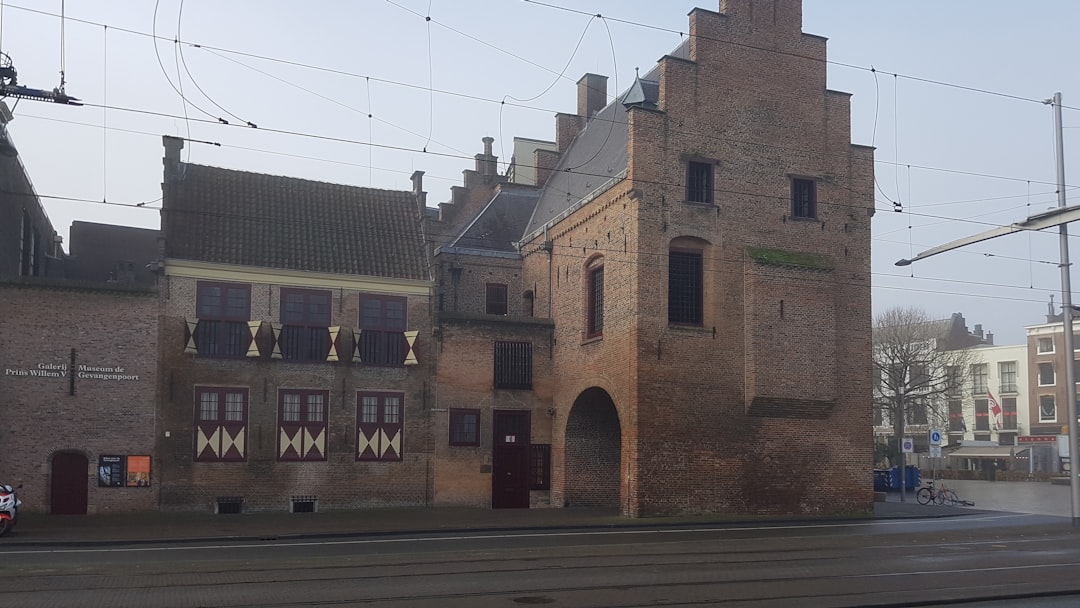

Nestled near the serene waters of Hofvijver, the Prison Gate Museum (Gevangenpoort) offers a captivating glimpse into the darker chapters of Dutch history. Since its transformation into a museum in 1882, this medieval prison has become a cornerstone of The Hague's rich tapestry of past and present. As one strolls through the ancient corridors of the Gevangenpoort, the echoes of its storied past resonate, revealing tales of crime and punishment that shaped the city.
### History and Origins The Gevangenpoort dates back to the 15th century, a time when the city was a burgeoning center of power within the Burgundian Netherlands. Originally part of the city’s defensive walls, it was established as a prison to house the most notorious criminals of the time. In the midst of political intrigue and social unrest, the gates held prisoners accused of treason and other serious offenses, including the infamous Johan van Oldenbarnevelt, who was executed for plotting against the state in 1619.
Throughout its history, the prison has witnessed numerous key events, including the Dutch Revolt against Spanish rule and the subsequent rise of the Dutch Republic. By the time the 19th century rolled around, the prison had become a symbol of the harsh realities of justice, with many facing severe penalties for their crimes. Its transition into a museum in 1882 marked a new chapter, one dedicated to educating the public about the history of justice and punishment in the Netherlands.
### Art and Architecture The architectural style of the Gevangenpoort is a blend of Gothic and Renaissance elements, showcasing the evolution of design through the centuries. The exterior features a striking brick façade adorned with ornate detailing, while the interior reveals the austere living conditions of past inmates. Visitors can explore the cramped cells, complete with chains and punishment devices, which evoke the chilling atmosphere of historical detention.
Inside, the museum houses an impressive collection of artifacts related to crime, punishment, and legal history. Notably, the 18th-century paintings in the Prince William V Gallery, located nearby, depict scenes from Dutch history that resonate with the themes of justice and morality. These artworks not only enhance the visitor experience but also highlight the cultural significance of the museum as a repository of Dutch heritage.
### Local Culture and Traditions The Prison Gate Museum is situated in a culturally rich area, surrounded by historical landmarks that contribute to the local identity. The Hofvijver, a picturesque lake, serves as a backdrop for various cultural events and festivals throughout the year. One noteworthy event is King's Day (Koningsdag) in April, where the streets of The Hague come alive with celebrations in honor of the monarchy, featuring music, markets, and vibrant street performances.
The city also boasts a tradition of storytelling, where local guides share tales of the past, including those of the Gevangenpoort. This oral tradition fosters a deep connection to history, allowing visitors to experience the stories behind the site in a more intimate manner.
### Gastronomy Exploring the culinary landscape around the Gevangenpoort is a delightful experience. The Hague is famous for its Haring (raw herring), typically enjoyed with onions and pickles. Local fish vendors near the museum offer this delicacy, allowing visitors to savor a taste of Dutch tradition. Another must-try is the Bitterballen, a popular Dutch snack made from beef ragout, often enjoyed with a cold Pilsner beer.
For those with a sweet tooth, don’t miss the opportunity to indulge in Stroopwafels, a beloved Dutch treat made of two thin waffles filled with caramel syrup, perfect for enjoying as you take in the sights of the city.
### Lesser-Known Curiosities Amidst its somber history, the Gevangenpoort holds a few intriguing secrets. One lesser-known fact is that the prison once housed political prisoners, including notable figures such as Pieter Geyl, a historian who was imprisoned during the World War II occupation. Additionally, the museum features a hidden torture chamber, showcasing the severity of punishments meted out in the past. Visitors may also find it interesting that the prison's architecture includes secret passages used for transporting prisoners discreetly, adding an element of mystery to the museum.
### Practical Visitor Information The best time to visit the Prison Gate Museum is during the spring and summer months when the weather is pleasant, and outdoor activities abound around the Hofvijver. It’s advisable to check the museum’s website for special exhibitions or guided tours that delve deeper into its history.
When planning your visit, consider joining a guided city walk that includes the Gevangenpoort as part of a broader exploration of The Hague. This allows you to soak in the atmosphere while gaining insights from knowledgeable guides.
As you stroll through the museum and nearby historical sites, take a moment to reflect on the stories of those who once walked these halls, forever etched in the fabric of Dutch history.
For a personalized itinerary that captures the essence of your visit to Den Haag, consider using the Secret World app to help plan your adventure seamlessly.
