
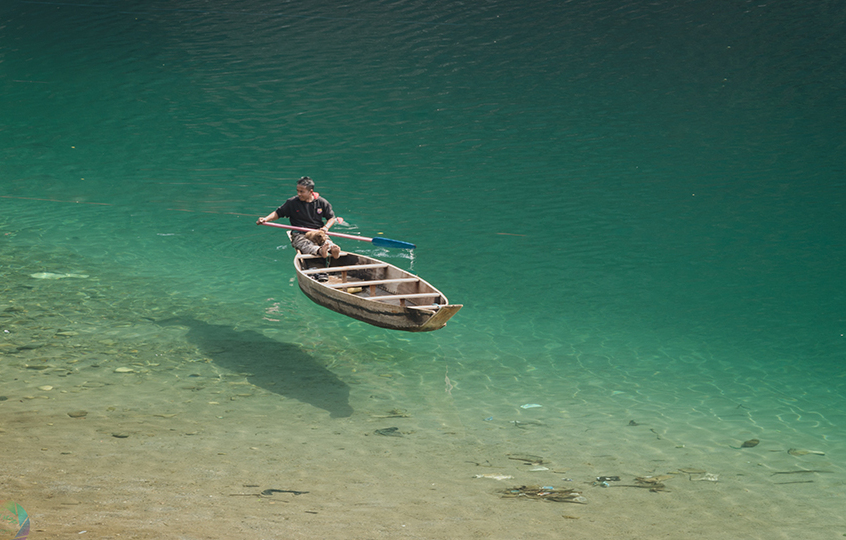

Imagine a river so pristine that its waters appear like a glassy mirror reflecting the azure sky and lush greenery around it. Such is the allure of the Umngot River, located near the quaint town of Dawki in the northeastern state of Meghalaya, India. This river, often hailed as the cleanest in the country, is a testament to nature's untouched beauty and the cultural reverence of the local Khasi tribe, who have preserved its purity for centuries.
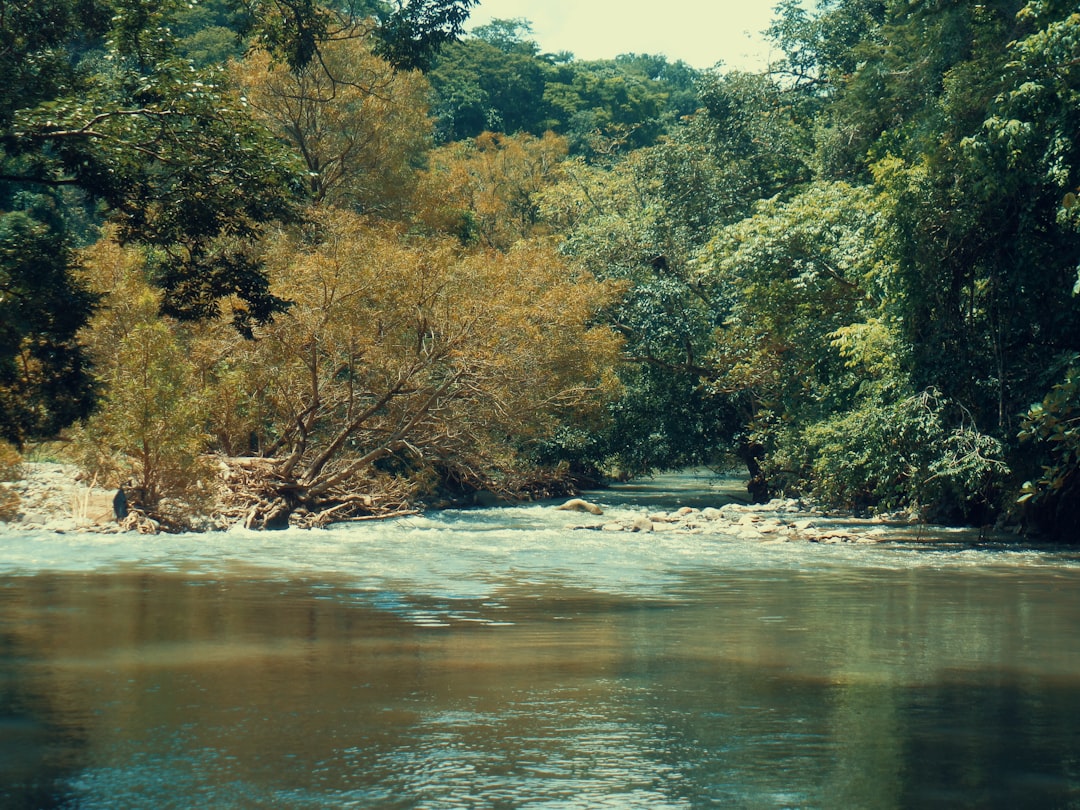
The Umngot River flows gracefully through the East Khasi Hills, a region celebrated for its ethereal landscapes and sacred forests. Historically, the river served as a vital trade route between India and Bangladesh, fostering economic and cultural exchanges between communities. While its exact origins are shrouded in the mists of time, local lore speaks of the ancient Khasi kings who revered the river as a divine blessing, ensuring its protection through the generations.
Architectural marvels in the area are sparse, as the region's natural beauty takes center stage. However, the riverbank's scenery is dotted with traditional Khasi stilt houses, known as "Bamboo Houses," which blend seamlessly with the environment. These structures, crafted from locally sourced bamboo and thatch, showcase the community's architectural ingenuity and sustainable living practices. The simplicity and elegance of these homes reflect the Khasi people's deep connection to nature.
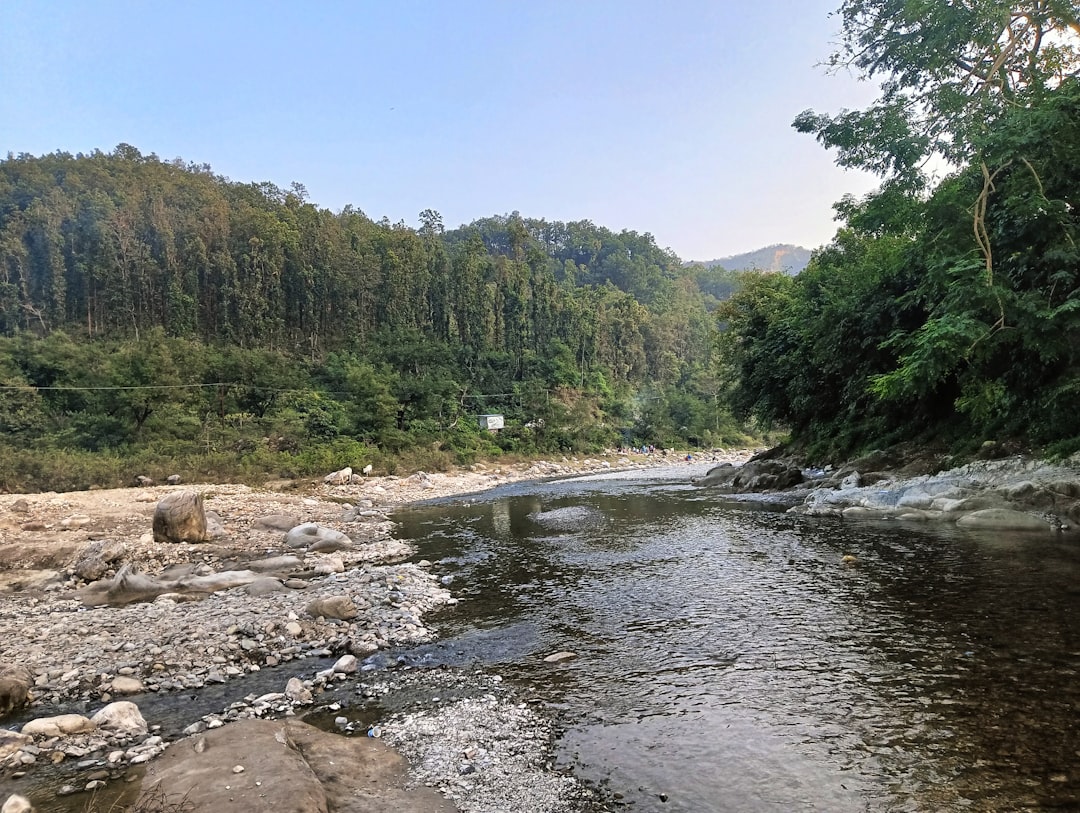
The cultural tapestry of the Umngot River is enriched by vibrant Khasi traditions and festivals. The Shad Suk Mynsiem, meaning "Dance of Contentment," is a prominent festival celebrated with fervor by the Khasi people. Held annually in April, it honors the harvest and the community’s bond with nature. During this event, men and women don traditional attire and perform ritualistic dances to the beat of drums and flutes, embodying gratitude and joy.
No visit to the Umngot River would be complete without indulging in the local gastronomy. The region boasts a variety of indigenous dishes, with Jadoh—a spicy rice and meat delicacy—being a staple. The flavor profile of this dish is enriched by the use of aromatic spices and herbs native to Meghalaya. Accompanying the meal, one might savor a refreshing glass of Kyat, a traditional rice beer, brewed using ancient methods passed down through generations.
Beyond its visual splendor, the Umngot River harbors several lesser-known curiosities that intrigue visitors. One such tale is that of the Living Root Bridges found in nearby villages like Nongriat. These bridges are not man-made but rather grown from the roots of the Ficus elastica tree, a testament to the ingenuity of the Khasi people. Each bridge takes decades to develop, becoming stronger and more intricate with time, symbolizing the community's patience and harmony with the natural world.
For those planning to witness this natural wonder, the best time to visit is during the dry months from November to May when the river is at its clearest. A boat ride on its serene waters offers a unique perspective of the riverbed, visible through the crystal-clear depths. As a practical tip, it is advisable to hire a local guide who can provide insights into the region's ecology and history, enriching the visitor experience.
In conclusion, the Umngot River is not just a body of water; it is a living testament to the region's rich cultural heritage and the deep respect its people hold for the natural environment. As you stand on its banks, with the sun casting shimmering reflections on its surface, you become part of a timeless narrative, one where nature and humanity coexist in splendid harmony.


