



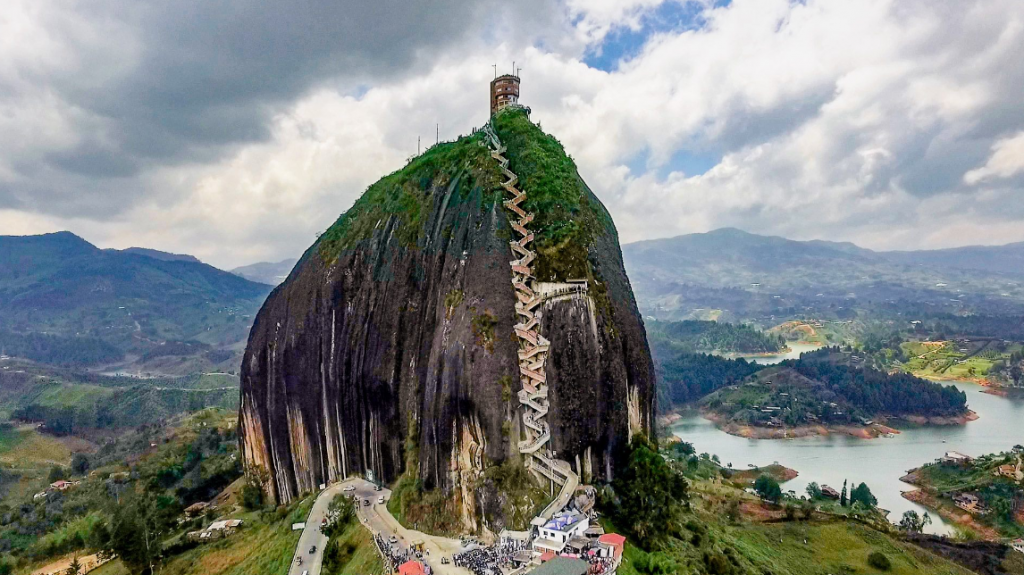
Rising dramatically from the lush landscape of Antioquia, the Rock of Guatapé, also known as the Stone of El Peñol, captivates visitors with its towering presence and rich history. This colossal monolith, reaching heights of 200 meters (656 feet), is not just a geological marvel but a symbol of local heritage and identity, straddling the towns of Guatapé and El Peñol.
### History and Origins
The origins of the Rock of Guatapé date back millions of years, formed from the Antioquia Batholith, a large intrusion of granite. This geological formation has withstood the test of time, resisting weathering while the surrounding bedrock eroded, leaving the rock standing proudly. Indigenous tribes, particularly the Aburrá, revered the rock long before Spanish colonization, viewing it as a sacred site.
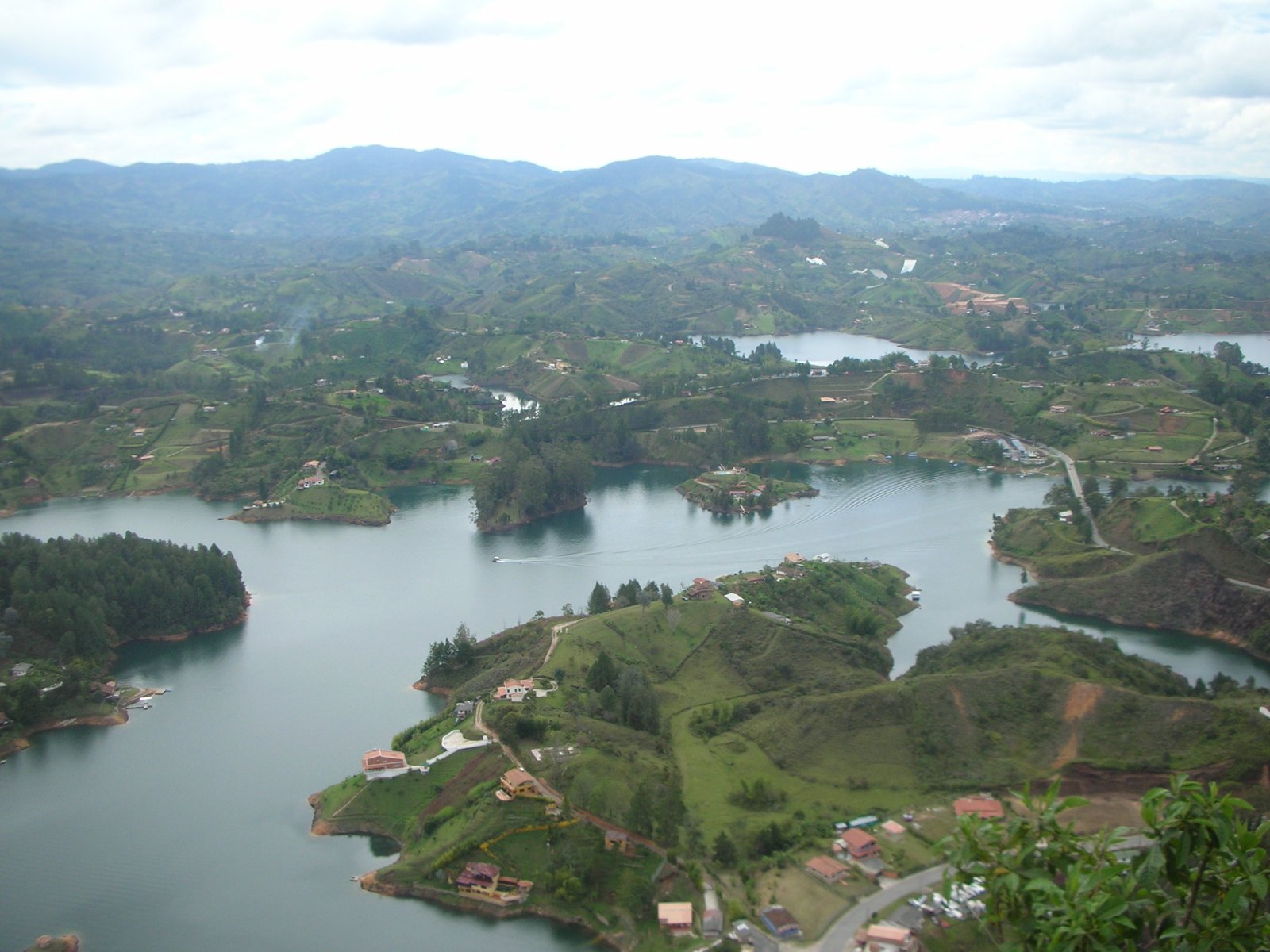
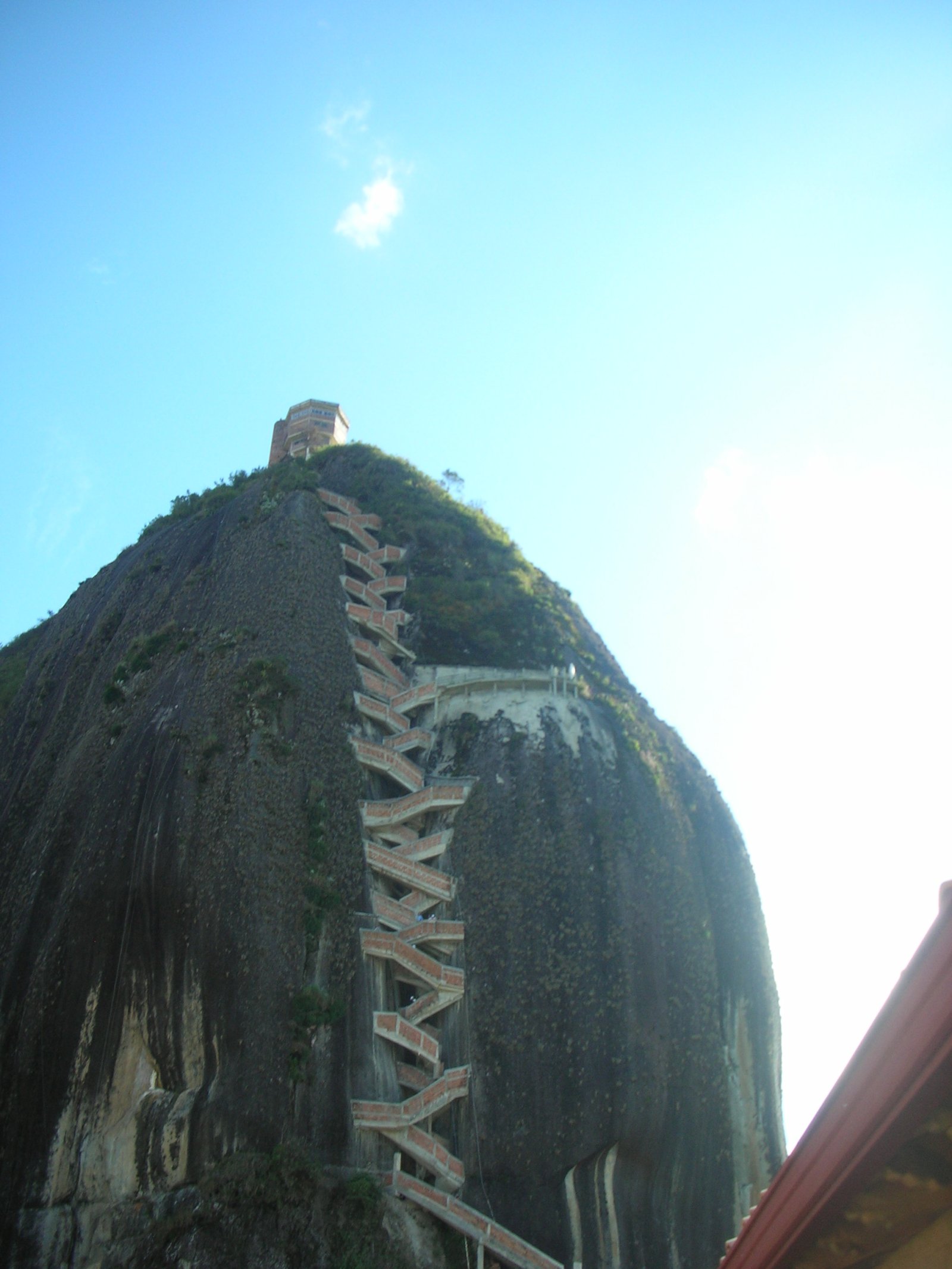
The history of El Peñol is intertwined with that of the rock. In 1978, a significant event occurred when the damming of the Guatapé River led to the flooding of the valley, creating the stunning Lake Guatapé. The lake, with its emerald waters, now provides a picturesque backdrop to the rock and has become a hub for water-related activities. The first successful ascent of the rock was achieved in 1954 by a group of adventurous friends who ingeniously wedged boards into its cracks, paving the way for the now-famous staircase.
### Art and Architecture
The architectural significance of El Peñol extends beyond its natural grandeur. The rock features a well-crafted staircase comprising 649 steps, winding up its northern face. This structure not only facilitates access to the summit but also showcases the ingenuity of local craftsmanship. The summit offers a panoramic view that stretches across the vibrant hues of the lake and surrounding hills, creating a breathtaking backdrop for photography.
Around the rock, the town of Guatapé is known for its vividly colored houses adorned with zocalos, traditional decorative panels that reflect the region's culture and history. The Church of Our Lady of the Rosary in Guatapé is another architectural gem, featuring intricate wooden carvings and a beautiful altar that embodies the town’s devotion and artistic flair.
### Local Culture and Traditions
The culture surrounding the Rock of Guatapé is vibrant and steeped in tradition. The annual Fiesta de la Virgen del Carmen, celebrated in July, draws locals and tourists alike, honoring the patron saint of the fishermen. Festivities include music, colorful parades, and traditional dances, encapsulating the spirit of the community.
Local customs are deeply rooted in the agricultural practices of the region. Residents partake in coffee cultivation, and the surrounding hills are often dotted with coffee farms. Visitors can engage in coffee tours, learning about the cultivation process while savoring a fresh cup of Colombian coffee.
### Gastronomy
No visit to Guatapé would be complete without indulging in its culinary delights. The region is renowned for its bandeja paisa, a hearty dish featuring rice, beans, ground beef, avocado, and arepas, reflecting the rich agricultural bounty of Antioquia. Another local favorite is sancocho, a traditional soup made from chicken, plantains, yuca, and corn, often enjoyed during family gatherings or festive occasions.
For those with a sweet tooth, the cocadas (coconut sweets) and arequipe (Colombian caramel) are must-try delicacies that showcase the local penchant for rich flavors.
### Lesser-Known Curiosities
While many tourists flock to the rock for its views, there are hidden gems surrounding it that often go unnoticed. For instance, the nearby Zócalos in Guatapé are not merely decorative; each panel tells a story about the town's history or local legends. Additionally, the Peñol-Guatapé Dam is an engineering marvel that transformed the landscape, and exploring its pathways offers a unique perspective of the area.
A surprising aspect of the rock's history involves the “Stone of El Peñol” debate. While the rock is commonly associated with Guatapé, residents of El Peñol also claim ownership, leading to a friendly rivalry that showcases the pride both communities have in their landmark.
### Practical Visitor Information
The best time to visit the Rock of Guatapé is during the dry season, which typically runs from December to March. During this period, the weather is pleasant, making for an enjoyable climb. It is advisable to arrive early in the morning to avoid crowds and to fully appreciate the serene atmosphere at the summit.
When planning a visit, comfortable shoes are essential for the climb, and don’t forget a camera to capture the stunning vistas. Also, consider exploring the lake by renting a boat or taking a guided tour, which provides a different perspective of the rock and its surroundings.
As you plan your visit, consider downloading the Secret World app to help create a personalized itinerary that uncovers the hidden treasures of this stunning region.
