



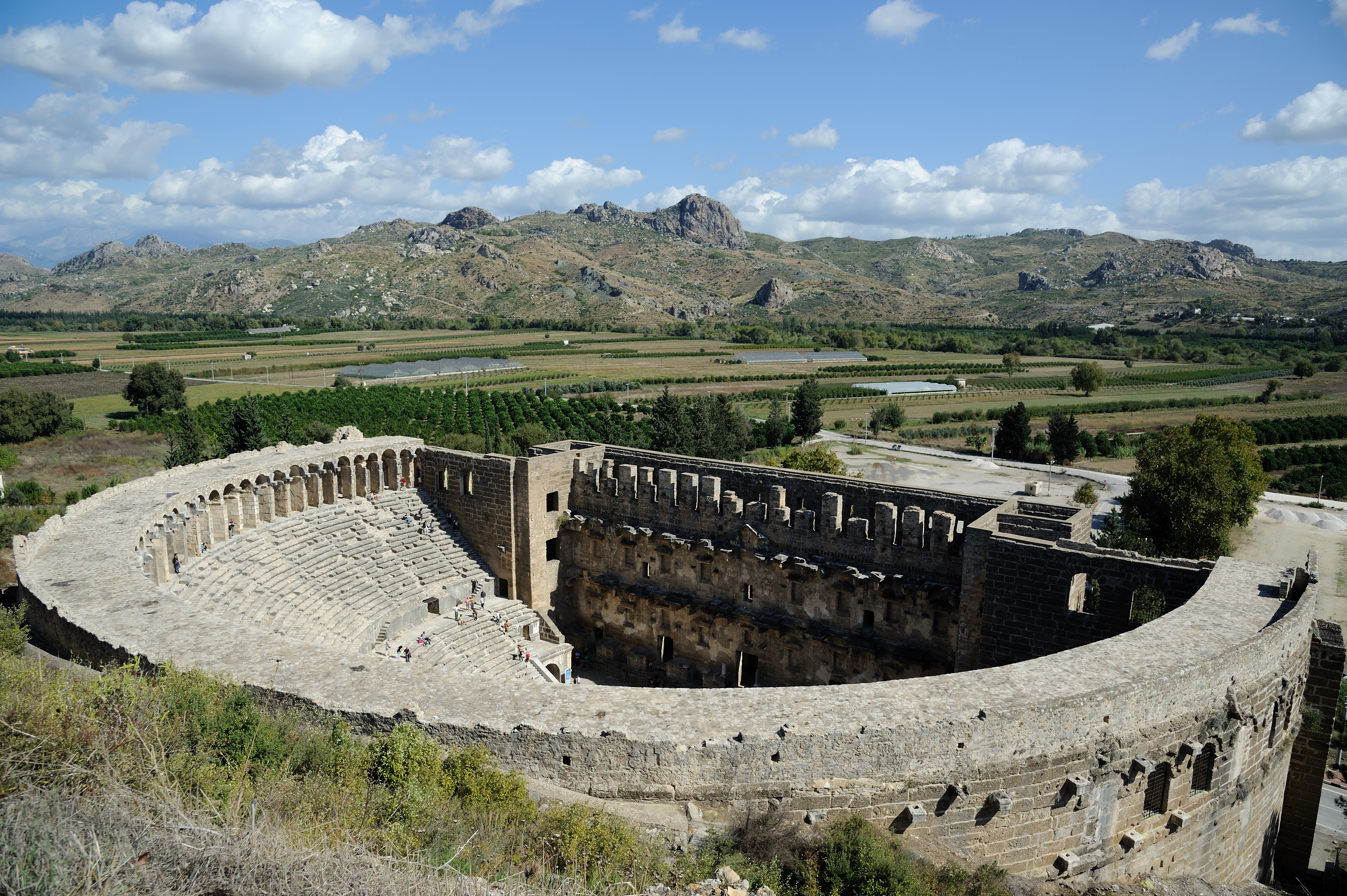
Nestled in the lush landscape of Turkey's Mediterranean coast, the Roman theatre in Aspendos stands as a testament to the ingenuity and artistry of ancient civilizations. This architectural marvel, located in the Distretto di Serik, around 40 kilometers east of Antalya, is not just the best-preserved theatre of antiquity but also a vibrant portal into the cultural tapestry of the ancient world.
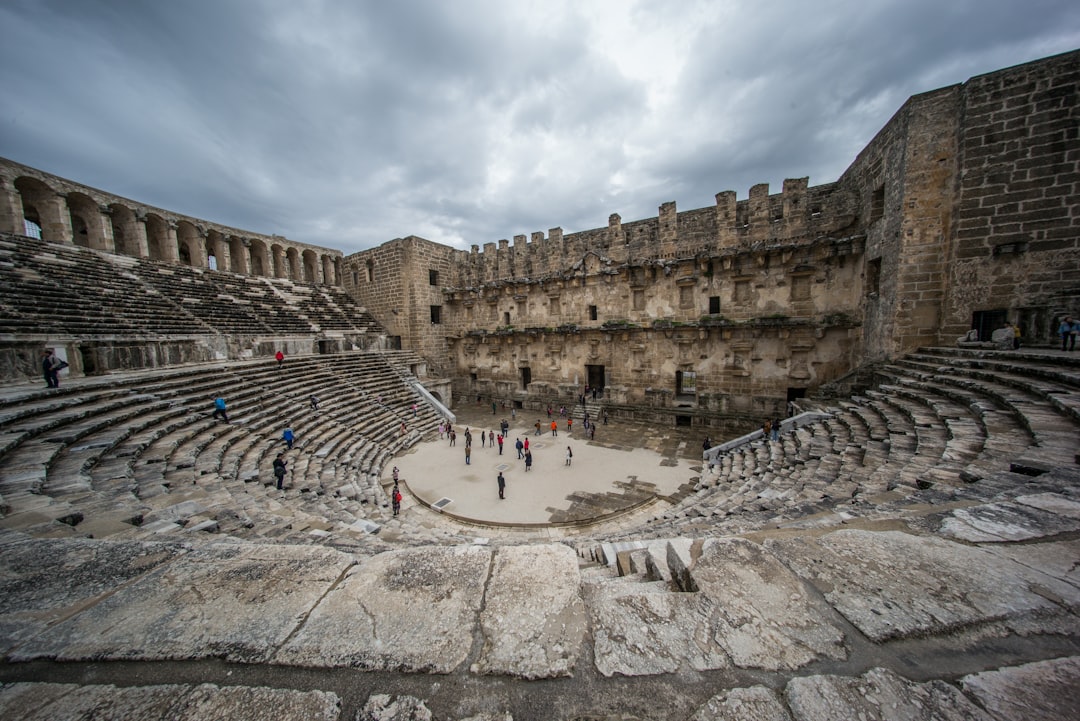
Aspendos, founded in the 5th century BCE, was once a thriving city in the region of Pamphylia, known for its strategic significance and prosperity under various empires, from the Persians to the Romans. Its theatre, constructed during the reign of Emperor Marcus Aurelius in the 2nd century CE, symbolizes the zenith of Roman architectural prowess. Designed by the architect Zenon, a native of Aspendos, the theatre could accommodate up to 15,000 spectators, reflecting the city's importance as a hub of social and cultural life.
The architectural style of the Aspendos theatre is a fascinating blend of Greek and Roman influences. The semi-circular auditorium, or cavea, is carved into the hillside, optimizing acoustics, a technique borrowed from Greek theatre design. The towering scenae frons—the backdrop of the stage—is distinctly Roman, characterized by its grand, multi-tiered facade that would have been adorned with statues and columns. This combination not only enhanced the visual grandeur but also demonstrated the Romans' architectural adaptability.
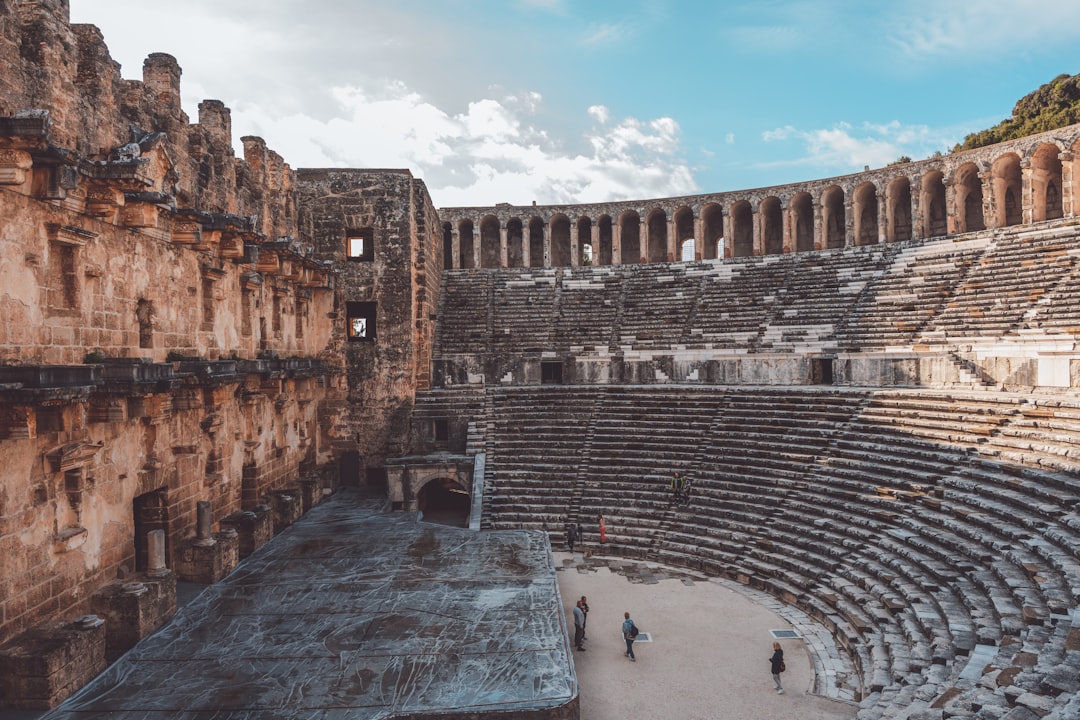
Artistic expression thrived in Aspendos, with the theatre serving as a venue for performances that ranged from dramatic plays to musical concerts. The acoustics of the theatre are so refined that even today, a performer can be heard clearly in the topmost rows without amplification. This attention to detail showcases the artistic significance of the theatre, where architecture and performance art coalesced to create an immersive experience for ancient audiences.
Culturally, Aspendos remains an emblem of the region's enduring traditions. While modern Serik may not host the grand festivals of antiquity, it still celebrates its heritage with events such as the annual Aspendos International Opera and Ballet Festival, where the theatre once again echoes with the sounds of artistic expression, bridging past and present. This festival is a modern testament to the site's enduring legacy as a cultural beacon.
The gastronomy of the region is as rich as its history. Visitors should sample local delights such as gözleme, a traditional Turkish pastry filled with spinach or cheese, and piyaz, a refreshing salad of beans, onions, and a tangy dressing. The nearby town of Serik offers an authentic taste of Turkish cuisine, with eateries serving dishes like keşkek, a hearty stew of wheat and meat, representing the culinary traditions of Anatolia.
Beyond its historical and cultural significance, the theatre of Aspendos holds lesser-known curiosities that intrigue the curious traveler. One such detail is the presence of ancient graffiti etched into the stones by past spectators, a silent testimony to the personal stories interwoven with the site's history. Another fascinating feature is the theatre's ingenious drainage system, which prevented flooding, a testament to Roman engineering skill.
For those planning a visit, the best time to explore Aspendos is in the spring or autumn when the weather is mild and the crowds are thinner. Arrive early to wander the site in tranquility, and be sure to climb to the top of the cavea for a panoramic view of the surrounding landscape. Pay attention to the intricate stone carvings and imagine the vibrant life that once filled this grand arena.
In the quiet moments spent amidst its ancient stones, the theatre of Aspendos whispers stories of a past where art and culture flourished, and where, even today, the echoes of history resonate with timeless clarity.
