


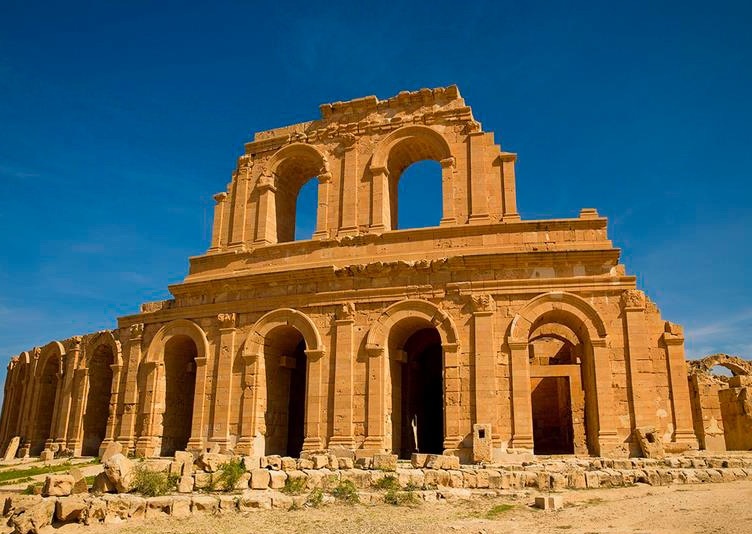
The Ruins of Sabratha in Libya offer a mesmerizing journey through time, where the echoes of ancient civilizations whisper stories of grandeur and resilience. Nestled along the shimmering coast of the Mediterranean Sea, Sabratha stands as a testament to the rich tapestry of history woven by the Phoenicians, Romans, and Byzantines.
Sabratha was originally founded by the Phoenicians around the 7th century BCE as one of the three cities of the Tripolitania region, along with Oea (modern-day Tripoli) and Leptis Magna. It flourished as a trading post due to its strategic location, facilitating commerce between Africa and Europe. The city reached its zenith during the 2nd and 3rd centuries under Roman rule, becoming a vibrant hub of culture and trade. Key events in Sabratha’s history include its conquest by the Romans in the 2nd century CE, which marked the beginning of extensive urban development, and its subsequent decline following the Vandal and Byzantine invasions in the 5th and 6th centuries, respectively.
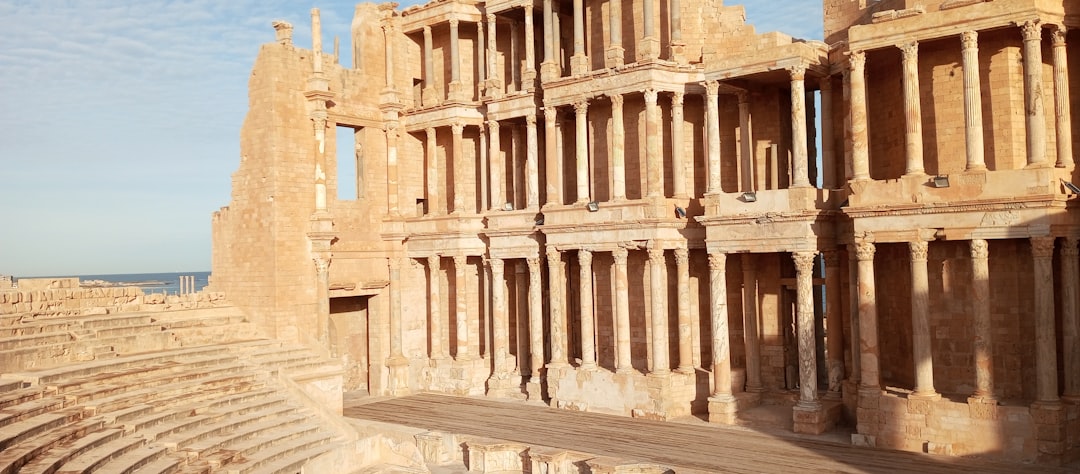
The architectural splendor of Sabratha is unparalleled, with the Roman theater being the crown jewel of the site. Standing proudly against the azure backdrop of the sea, this amphitheater, built around 175 CE, could accommodate up to 5,000 spectators. Its three-tiered stage facade, adorned with Corinthian columns and intricate friezes, is a masterpiece of Roman engineering and artistry. Beyond the theater, the Temple of Isis, the Forum, and the Basilica of Justinian showcase a blend of Roman and Byzantine influences, with mosaics and sculptures that speak volumes of the artistic prowess of ancient craftsmen.
While the ruins themselves are a spectacle, the cultural heartbeat of the region resonates through the local traditions and festivals. The people of Sabratha, like many Libyans, hold their cultural heritage in high regard, celebrating their history with events such as the Sabratha Festival, which features traditional music, dance, and storytelling. These gatherings are an opportunity for locals and visitors alike to connect with the past and embrace the vibrant culture that defines the region.
A journey to Sabratha would be incomplete without indulging in its gastronomic offerings. Libyan cuisine is a delightful fusion of Mediterranean and North African flavors. Dishes such as couscous with lamb, bazin (a type of unleavened bread), and the spicy harissa paste are staples. Local markets brim with fresh produce and spices, offering a sensory feast that reflects the diverse cultural influences that have shaped the region over millennia.
For the curious traveler, Sabratha holds many lesser-known wonders. Among these is the Temple of Liber Pater, dedicated to the god of wine and freedom, which though lesser visited, offers a fascinating glimpse into the religious life of ancient Sabrathans. Another intriguing feature is the Mausoleum of Bes, a unique funerary monument that stands as a testament to the city’s eclectic religious practices.
When planning a visit to Sabratha, consider the climate and local conditions. The best time to explore is during the cooler months from October to April, when the heat is less intense. Practical tips for visitors include hiring a local guide to uncover the hidden stories behind each ruin and ensuring you have sufficient water and sun protection, as amenities within the site are limited.
As you wander through the ancient streets, take a moment to imagine the bustling port city that once stood here, a place where cultures converged and history was made. The Ruins of Sabratha are not just remnants of the past but a living narrative, inviting you to step back in time and witness the grandeur of a civilization that continues to inspire awe and wonder.
