



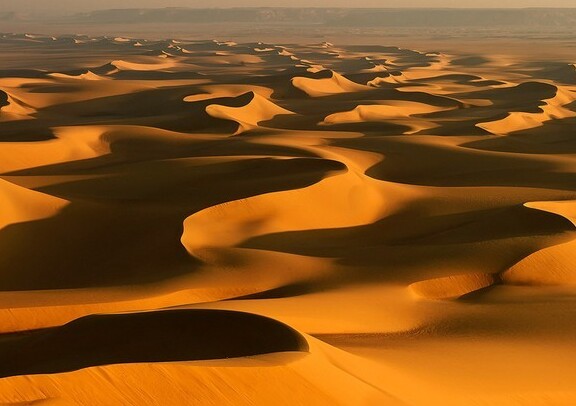
The Sahara Desert is a mesmerizing expanse of golden sands and rugged landscapes, a vast tapestry of history and culture that beckons adventurers and dreamers alike. Spanning an impressive 9 million square kilometers, it is the largest hot desert in the world, stretching from the shimmering shores of the Red Sea to the rugged coastlines of the Atlantic Ocean. This arid land, now often perceived as a barren wasteland, was once a thriving ecosystem teeming with life.
### History and Origins
The history of the Sahara is as complex and layered as its geography. 30,000 years ago, the region was a verdant paradise, rich in flora and fauna, where dense forests flourished and wildlife thrived. Early inhabitants relied on this abundance, herding cattle and practicing a form of nomadic agriculture. Evidence of these ancient societies can be found in the form of Paleolithic and Neolithic rock engravings, which depict animals and human figures, showcasing the once lush landscapes.
As the climate shifted towards aridity, the inhabitants adapted to the changing environment. The Sahara became a crucial crossroads for trade routes, connecting sub-Saharan Africa to the Mediterranean and beyond. The rise and fall of empires, from the Pharaohs of Egypt to the Mali Empire, left indelible marks on the desert. Notable historical figures like Ibn Battuta, the famous Moroccan explorer of the 14th century, traversed its vastness, chronicling his experiences and observations, which continue to captivate historians today.
### Art and Architecture
The artistic legacy of the Sahara is profound. The rock art found throughout the region, particularly in places like Tassili n'Ajjer in Algeria and Gilf Kebir in Egypt, features intricate engravings and vibrant paintings that tell stories of a world long gone. These artworks often depict wild animals, such as elephants and cattle, and provide invaluable insights into the region's prehistoric life.
Architecturally, the Sahara boasts unique styles that blend functionality with aesthetics. The Kasbahs of Morocco, constructed from local adobe and clay, exemplify traditional Berber architecture, with their narrow alleyways and towering fortresses designed for both defense and community living. Similarly, the Tuareg people, known as the "Blue People" for their indigo-dyed clothing, create tents and structures that are both practical and beautiful, reflecting their nomadic lifestyle.
### Local Culture and Traditions
The Sahara is home to a rich tapestry of cultures, with diverse ethnic groups including the Tuareg, Berbers, and Arabs. Each group brings its unique traditions, languages, and customs. The Tuareg, for example, are renowned for their elaborate festivals, such as the Sahara Festival in Mali, which celebrates music, dance, and poetry, drawing crowds from across the region.
Local customs often revolve around hospitality, with traditions steeped in welcoming guests. The ritual of sharing mint tea, a symbol of friendship and respect, is an integral part of social gatherings. The Sahara’s festivals, infused with music and dance, offer a glimpse into the vibrant cultural life, where storytelling and oral traditions thrive.
### Gastronomy
Saharan cuisine reflects the region's diverse cultural influences and the necessity of adapting to a harsh environment. Couscous, a staple dish made from steamed semolina, is often served with a variety of meats and vegetables, flavored with aromatic spices. Tagine, a slow-cooked stew, is another beloved dish, showcasing the culinary prowess of local chefs.
Drinks like Berber whiskey, a sweet mint tea, are ubiquitous, providing both refreshment and a chance to bond with friends and family. Dates, harvested from the palms that dot the desert landscape, are a significant source of nutrition and often served with coffee during social gatherings.
### Lesser-Known Curiosities
While the Sahara is famous for its vast dunes, many visitors overlook its surprising biodiversity. The desert is home to unique species such as the Saharan silver antelope and the addax, both of which have adapted astonishingly to the harsh conditions. Moreover, the Tassili n'Ajjer mountain range contains some of the world’s oldest rock art, dating back over 12,000 years, providing a vivid connection to the past that few explore.
Another hidden gem is the Chad Lake’s seasonal transformation, where the basin fills with water during the rainy season, bringing life to the surrounding areas and attracting migratory birds. This phenomenon showcases the Sahara’s dynamic nature, a stark contrast to its generally arid reputation.
### Practical Visitor Information
The best time to explore the Sahara is during the cooler months, from October to April, when temperatures are more bearable for outdoor activities. Travelers should prepare for both the heat of the day and the chill of the night. When venturing into the desert, it’s essential to stay hydrated and protect oneself from the sun with appropriate clothing and sunscreen.
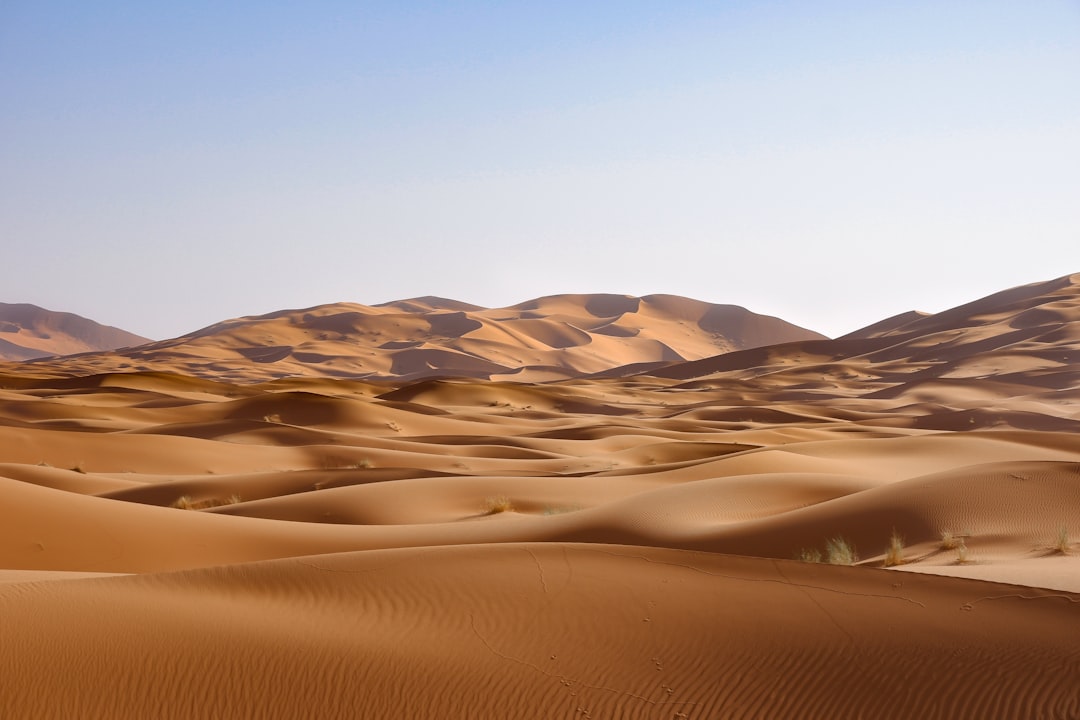
For those seeking authentic experiences, engaging with local guides can provide deeper insights into the culture and history of the region. Highlights should include visiting ancient sites like Ghadames in Libya or exploring the stunning landscapes of the Merzouga Dunes in Morocco.
As you plan your journey, consider immersing yourself in the local culture, sampling the cuisine, and witnessing the breathtaking sunsets that paint the desert in shades of gold and crimson.
The Sahara Desert is not just a geographical wonder; it is a realm of stories waiting to be uncovered, a place where history, culture, and nature converge in remarkable harmony. To make the most of your adventure, use the Secret World app to plan a personalized AI itinerary tailored specifically for your journey through this enchanting desert.
