
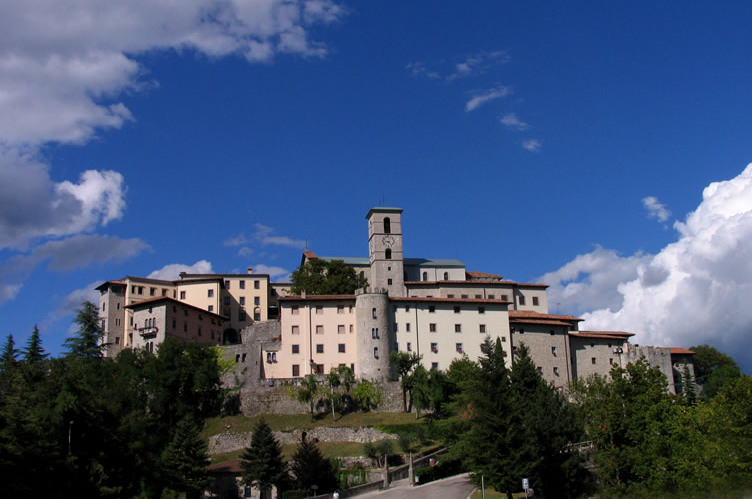

Nestled in the verdant hills of Friuli in northern Italy, the Sanctuary of Castelmonte stands as a beacon of faith and history, captivating visitors with its rich past and stunning architecture. As the oldest sanctuary in Friuli and one of the oldest in all of Christianity, it draws pilgrims and tourists alike to its serene landscape and sacred ambiance.
History and Origins The origins of the Sanctuary of Castelmonte trace back to the 12th century, with its establishment often attributed to a group of Benedictine monks. The site was chosen for its strategic position overlooking the Natisone Valley, providing not only a vantage point but also a serene environment ideal for reflection and worship. The sanctuary has undergone various renovations and expansions over the centuries, especially during the Renaissance, when its significance grew among the local population. Historical records reveal that it became a pilgrimage site as early as the 13th century, with many travelers journeying to pay homage to the revered statue known as the Madonna Antica. This stone statue, weighing four quintals, is a Black Madonna that has been venerated since the times of the Lombards who introduced Christianity to the region. The sanctuary's role as a spiritual haven continued through tumultuous periods, including the Reformation and the Napoleonic Wars, making it a resilient symbol of local faith and culture.
Art and Architecture The architectural style of the sanctuary is a delightful fusion of Gothic and Baroque elements. The exterior is adorned with elegant arches and intricate stone carvings that catch the eye, while the interior boasts a stunning wooden altar and beautiful frescoes that narrate biblical stories. The most notable artwork inside the sanctuary is undoubtedly the Madonna Antica, a striking figure that embodies deep cultural significance and artistry. This statue, characterized by its dark hue, has been the focal point of numerous artistic interpretations and has inspired local craftsmanship for generations. Visitors can appreciate not only the artistry but also the craftsmanship of the wooden sculptures and paintings that grace the sanctuary's interior, each telling a story of devotion and history.
Local Culture and Traditions The Sanctuary of Castelmonte is deeply ingrained in local culture, serving as a hub for various traditions and festivities. One of the most significant events is the Feast of the Madonna Antica, celebrated annually on the first Sunday of September. During this time, pilgrims from all over the region gather to participate in processions, prayers, and communal meals, creating a vibrant atmosphere of faith and unity. Additionally, the sanctuary plays a central role in local customs, with many families visiting to seek blessings and guidance. The surrounding area is rich in folklore, with tales of miraculous healings attributed to the Madonna and stories passed down through generations that enhance the spiritual aura of this sacred site.
Gastronomy The culinary offerings near the sanctuary reflect the rich agricultural heritage of the Friuli region. Visitors can indulge in local specialties such as frico, a crispy cheese and potato dish, and prosciutto di San Daniele, renowned for its rich flavor and delicate texture. Pair these with a glass of Friulano wine, a white wine made from indigenous grapes that perfectly complements the region's cuisine. Many local eateries and trattorias offer traditional dishes that celebrate the area’s agricultural bounty, making it easy to experience the flavors that have nourished both locals and pilgrims for centuries.
Lesser-Known Curiosities While the sanctuary is a well-known pilgrimage site, there are hidden gems that many tourists overlook. For instance, the peaceful gardens surrounding the sanctuary provide a space for quiet contemplation and reflection. Additionally, the Via Crucis, or Stations of the Cross, leads up to the sanctuary and features beautifully crafted sculptures that depict the Passion of Christ, offering a spiritual path for those seeking a deeper connection. A surprising fact is that the sanctuary has served as a refuge during times of war, illustrating its role as a place of hope and sanctuary for all.
Practical Visitor Information The best time to visit the Sanctuary of Castelmonte is during the spring and autumn months, when the weather is mild, and the surrounding landscape is particularly beautiful. When planning your visit, consider participating in the Sunday Mass, which often features local choirs and creates a vibrant, communal atmosphere. Don’t forget to explore the nearby trails that offer stunning views of the Julian Alps and the lush valleys below. As you wander, take a moment to absorb the tranquility of this sacred space.
The Sanctuary of Castelmonte is a remarkable testament to faith, art, and history, waiting to be discovered by those who seek a deeper connection to the spiritual landscape of Friuli. Use the Secret World app to plan a personalized AI itinerary to make the most of your visit.


