



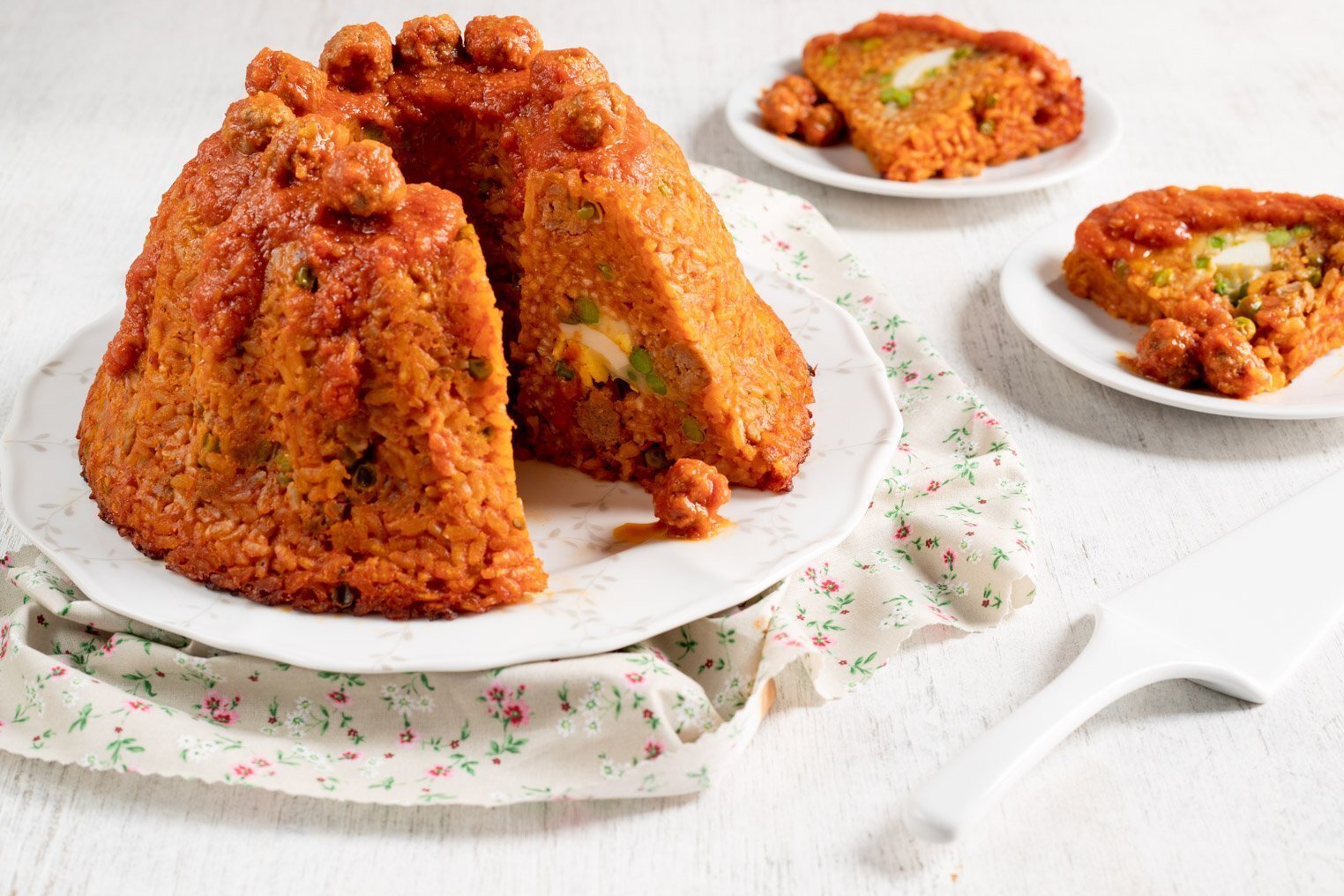
In the heart of Napoli, where the streets resonate with history and the air is infused with the aroma of simmering sauces, lies a dish that encapsulates the spirit of Neapolitan cuisine: the Sartù di riso. This traditional rice timbale is not just a meal; it is a celebration of local culture, history, and familial bonds, often gracing tables during Sunday lunches and festive gatherings.

### History and Origins
The roots of Sartù di riso trace back to the 18th century, influenced by the culinary practices of the Bourbons who ruled Naples. Originally, rice was a luxury item, imported from the East and reserved for the noble classes. The dish is believed to have been inspired by the Arabic “sartu,” which means “to cover,” reflecting how the rice envelops a hearty filling of meat and vegetables.

As the dish evolved, it absorbed elements from various cultures that mingled in Naples, including Spanish, French, and Italian. The classic preparation showcases a rich Neapolitan meat sauce made with sausage, fried meatballs, and seasonal vegetables, creating a tapestry of flavors that tells the story of the city’s diverse heritage.
### Art and Architecture
While Sartù di riso is a feast for the palate, Naples itself is a feast for the eyes. The city's architecture is a stunning blend of influences, from the Renaissance to Baroque styles, evident in landmarks like the Duomo di Napoli and the Palazzo Reale. The artistry extends beyond structures; the vibrant murals and ceramics found throughout the city echo the same passion that fills a plate of Sartù.
Artistic traditions in Naples often celebrate the culinary heritage. Local artisans create intricate ceramic pieces that depict scenes of food and family, capturing the essence of meals like Sartù, which not only nourish the body but also foster connections among loved ones.
### Local Culture and Traditions
In Naples, food is intertwined with local customs and traditions. Sundays are sacred, reserved for family gatherings where dishes like Sartù take center stage. The preparation of this dish is often a communal affair, with generations coming together to share recipes and stories, reinforcing family bonds.
Festivals, such as the Feast of San Gennaro, further highlight the importance of food in Neapolitan culture. Held in September, this festival features street vendors selling local delicacies and offers a chance for the community to celebrate their shared heritage. During these events, Sartù di riso may be prepared in large quantities, showcasing its role in communal feasting.
### Gastronomy
The essence of Neapolitan cuisine goes beyond Sartù di riso. Visitors can indulge in a variety of local specialties, each telling a story of the region. The world-renowned Neapolitan pizza is a must-try, characterized by its soft, chewy crust and rich tomato sauce. Sfogliatella, a shell-shaped pastry filled with ricotta and candied fruit, is another local favorite that reflects the city’s sweet side.
Pair your meals with a glass of Limoncello, a vibrant lemon liqueur that encapsulates the citrus groves of the Amalfi Coast, or enjoy a robust Aglianico red wine, which complements the hearty flavors of Neapolitan dishes.
### Lesser-known Curiosities
While many tourists flock to the famed sights of Naples, few discover the hidden gems of its culinary landscape. For instance, the tradition of “cuoppo”, a paper cone filled with fried seafood or vegetables, is a beloved street food that is often overlooked. Additionally, the city is home to unique festivals like the Festa della Pasta, celebrating the beloved staple with cooking contests and tastings.
One surprising detail about Sartù is its adaptability. While the classic recipe remains a staple, many families have their variations, incorporating seasonal ingredients or regional specialties, allowing the dish to evolve while maintaining its essence.
### Practical Visitor Information
The best time to visit Naples is during the spring (April to June) and fall (September to October) when the weather is mild, and the tourist crowds are thinner. To fully appreciate the culinary scene, consider taking part in a cooking class where you can learn to make Sartù di riso under the guidance of local chefs.
When exploring, be sure to look for local trattorias where authentic Sartù is served. Ask about the red and white versions of the dish to experience the different flavor profiles. Additionally, don’t miss out on visiting the bustling Mercato di Porta Nolana, a local market teeming with fresh produce and ingredients essential for Neapolitan cooking.
Naples is a city that thrives on its culinary traditions, and Sartù di riso is a delicious embodiment of that heritage. As you savor each bite, you’re not just tasting a dish; you’re participating in a rich tapestry of history, culture, and community that defines this vibrant city.
To truly immerse yourself in the flavors and experiences of Napoli, consider using the Secret World app to create a personalized itinerary tailored to your interests.
