
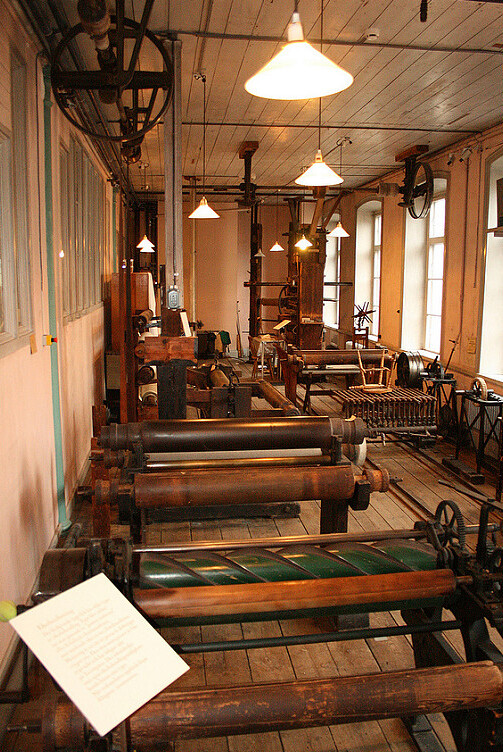

Nestled in a picturesque corner of Sverige, the K.A. Almgren Silk Mill stands as a testament to the rich tapestry of industrial history in Scandinavia. Founded in 1833 by Knut August Almgren, this mill is not only revered for its remarkable craftsmanship but also celebrated as one of the oldest preserved industrial environments in the region. Its legacy began when Almgren secured a license to manufacture silk products, marking the dawn of a new era in textile production. Over the decades, the mill evolved into Scandinavia’s largest workplace for women, a beacon of employment and empowerment during a time when opportunities for women were scarce. Generations of the Almgren family continued this tradition of silk weaving, tirelessly maintaining their artisan methods for five generations before the mill closed its doors in 1974. However, the spirit of the mill was revived in 1991 when Oscar Almgren re-opened the facility, ensuring that the historic 170-year-old looms could once again produce exquisite silk fabrics.
The architectural style of the K.A. Almgren Silk Mill is a fascinating blend of functionality and elegance, typical of 19th-century industrial design. The building showcases a red-brick façade and large windows that flood the interior with natural light, creating a warm and inviting atmosphere. Visitors can marvel at the intricate details of the mill’s structure, which reflect the craftsmanship of the era. Inside, the rhythmic sound of the looms is accompanied by the faint scent of silk, creating an immersive experience for anyone stepping into this living museum of textile history.
Local culture thrives around the silk mill, with traditional customs deeply intertwined with the craft of silk weaving. The mill often hosts events that celebrate local heritage, including workshops where visitors can learn about the ancient techniques used in the production of silk. In the surrounding community, you can find annual festivals that showcase local artisans, offering a vibrant glimpse into the region's rich cultural tapestry. The mill’s history is not only a reflection of industrial progress but also of the women’s movement, as it provided employment and independence to many throughout its operational years.
When it comes to gastronomy, the area around the K.A. Almgren Silk Mill is known for its culinary delights. One must try the traditional Swedish dish of Köttbullar (Swedish meatballs), often served with creamy gravy and lingonberry sauce. Pair this with a glass of Swedish Julmust, a unique soft drink enjoyed especially during the festive season, and you will have a true taste of local culture. The region also produces artisanal cheeses and hearty breads that reflect the agricultural richness of the surrounding countryside.
For those interested in lesser-known curiosities, the silk mill harbors stories that many tourists might overlook. For instance, the mill’s looms are not just machines; they are carriers of history, each with its own tale of craftsmanship and dedication. There’s also a fascinating collection of historical documents and photographs that chronicle the evolution of the mill and the lives of the women who worked there. Moreover, the mill played a significant role in the local economy and social structure, serving as a community hub where families gathered and collaborated.
The best time to visit the K.A. Almgren Silk Mill is during the spring and summer months, from May to August, when the mill often hosts special events, including guided tours and exhibitions. It’s advisable to check for any special workshops or demonstrations that may be scheduled during your visit, as these provide an invaluable insight into the art of silk weaving.
As you explore the mill, don’t forget to look out for the original silk products on display, and perhaps even pick up a piece to take home, ensuring that the legacy of K.A. Almgren continues to thrive.
For a personalized journey through this historic site and beyond, consider using the Secret World app to craft your ideal itinerary.


