
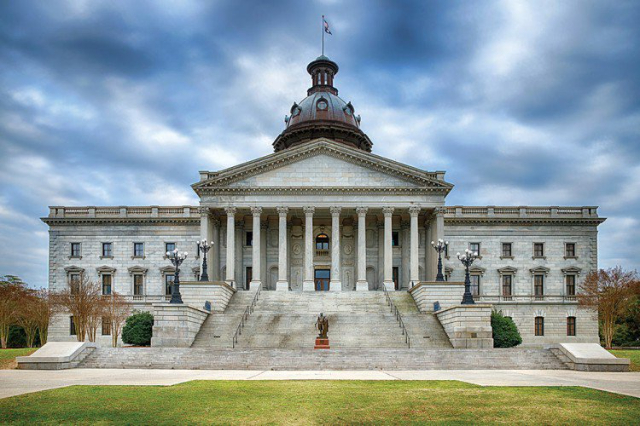

Rising majestically in the heart of Columbia, the South Carolina State House is a testament to the rich history and enduring spirit of the Palmetto State. With its stately columns and imposing dome, this building does more than house the government; it tells the story of a region marked by resilience and transformation.
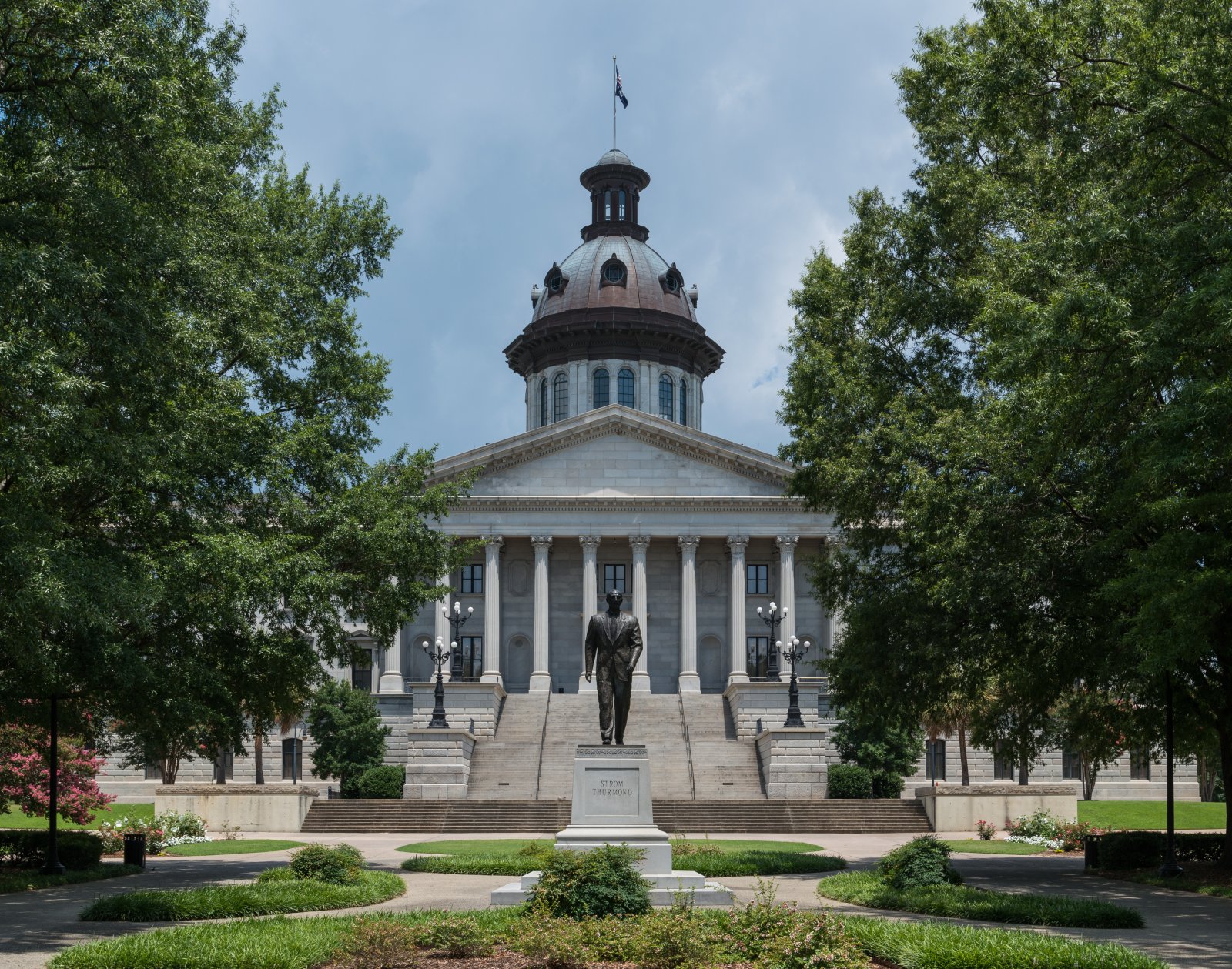
The origins of the South Carolina State House date back to the mid-19th century, a period marked by both ambition and turmoil. Construction began in 1851, but progress was slow and tumultuous, interrupted by the American Civil War. The building was famously shelled by General William T. Sherman's troops in 1865, a fact memorialized by six bronze stars marking the spots where cannonballs struck. Despite these setbacks, the State House was completed in 1907, finally standing as a symbol of recovery and growth. Its role in history was further cemented during the civil rights movement of the 1960s, as it became a focal point for activism and progress.
Architecturally, the State House is a masterpiece of Greek Revival style, a popular choice in the 19th century for conveying democratic ideals. The granite exterior, sourced from nearby quarries, is punctuated by a towering dome that is both a structural and symbolic centerpiece. Inside, the grandeur continues with rich mahogany woodwork and marble floors. Particularly noteworthy is the Main Lobby, adorned with a stunning stained-glass dome that bathes the room in a kaleidoscope of colors. Art lovers will appreciate the numerous portraits of South Carolina's historical figures, including John C. Calhoun, adding an artistic narrative to the political history housed within these walls.
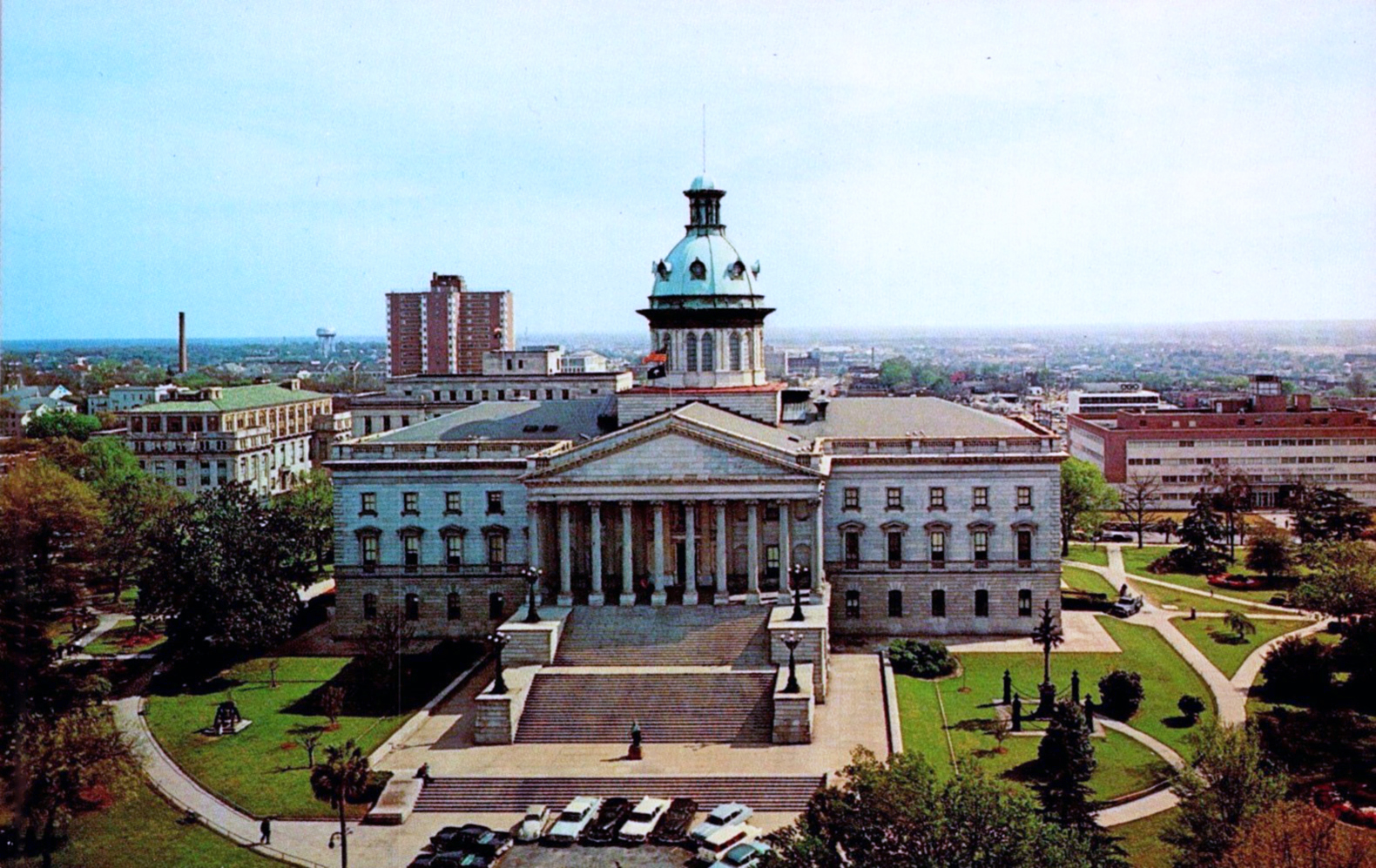
The State House is more than just a seat of governance; it's a cultural beacon for the people of South Carolina. The grounds are the site of various local festivals and traditions, including the annual Governor's Carolighting, which officially kicks off the holiday season with the illumination of the State Christmas Tree. This event draws families from across the state, creating a shared community experience filled with music, warmth, and the spirit of the season.
Venture beyond the building, and you'll discover the flavors of Columbia. The city's gastronomy is deeply rooted in Southern traditions, with a modern twist. A visit to the State House is incomplete without sampling some local favorites. Indulge in dishes like shrimp and grits, a Lowcountry staple, or enjoy a hearty helping of barbecue, where slow-cooked pork reigns supreme. To quench your thirst, don't miss the opportunity to try Sweet Tea, a quintessential Southern beverage that pairs perfectly with the region's spicy and savory flavors.
For those with a penchant for the unusual, the South Carolina State House holds several lesser-known curiosities. Among them is the African-American History Monument, a profound tribute to the contributions and struggles of African-Americans in the state. It was the first of its kind on any statehouse grounds in the United States, unveiled in 2001. Another intriguing feature is the Brass Star, located on the first step at the entrance, marking the geographic center of the city of Columbia.
Visitors planning a trip to the State House should aim for the spring or fall, when the weather is most pleasant. Guided tours are available, offering a deep dive into the building's history, architecture, and stories. Be sure to explore the meticulously maintained gardens, where monuments and memorials provide further insight into South Carolina's storied past. And while the building is open to the public, attending a legislative session can give you a firsthand look at the state's political processes in action.
Whether you're a history buff, an architecture enthusiast, or a curious traveler, the South Carolina State House offers a multifaceted experience that is as educational as it is inspiring. As you stroll through its halls and grounds, you'll not only gain a deeper understanding of South Carolina's past but also an appreciation for the vibrant culture that continues to shape its present and future.


