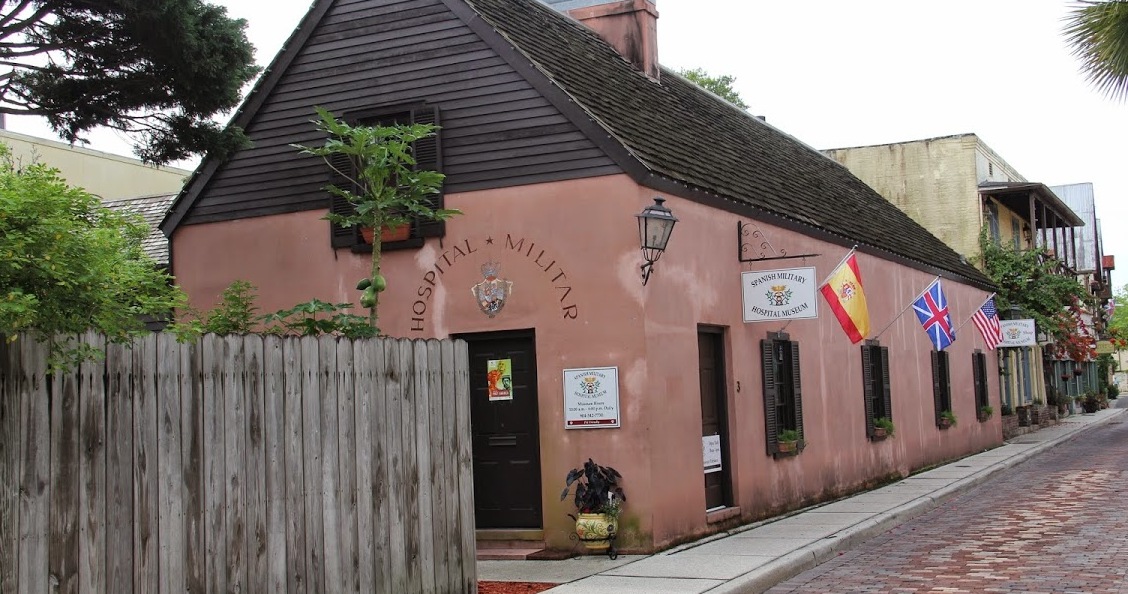

Stepping into the Spanish Military Hospital Museum in St. Augustine, Florida, is like entering a time capsule that transports you back to the late 18th century. This museum, an authentic reconstruction of a military hospital from the Second Spanish Colonial Period (1784–1821), provides a vivid glimpse into the medical practices of the time. Here, visitors can explore the intertwining of European and African medical knowledge that resulted in an impressive survival rate for patients in 1791.
### History and Origins The roots of the Spanish Military Hospital can be traced back to a time when St. Augustine was a bustling center of colonial power. The original hospital was established in 1791, during a period when Spain was keen on bolstering its military presence in the New World. It served both soldiers and civilians, reflecting the Spanish commitment to health care in their territories. Throughout its operation, the hospital adapted to the needs of a growing population, navigating the challenges of disease and injury common in that era.
One significant event in its history was the Siege of St. Augustine during the American Revolutionary War, which highlighted the need for effective medical treatment amidst conflict. The hospital became a refuge for the injured, showcasing the resilience of the medical staff and their commitment to care.
### Art and Architecture Architecturally, the Spanish Military Hospital is a fine example of Spanish colonial style. The building features thick stucco walls, high ceilings, and wooden beams that not only provide structural integrity but also create a cool interior, ideal for the warm Florida climate. Visitors can marvel at the restored surgical and examination rooms, where authentic artifacts and period furniture transport them back to the hospital's operational days.
Notably, the museum also houses artworks that depict the medical practices of the time, including drawings of surgical procedures and herbal remedies used by physicians. The artistic significance of these works lies in their ability to educate the public about the fascinating blend of science and art that characterized medicine in the 18th century.
### Local Culture and Traditions The cultural importance of St. Augustine is deeply rooted in its diverse heritage. The city hosts a variety of festivals celebrating its Spanish, Native American, and African American influences. One such event is the Fiesta de Aviles, held annually, which includes reenactments and performances that reflect the city's rich history.
Visitors to the museum can also engage with local traditions, such as the procession of the Three Kings or the Noche de Gala, where locals celebrate their heritage with music, dance, and food. These events provide a backdrop for understanding the profound impact of various cultures on the city’s identity.
### Gastronomy No visit to St. Augustine is complete without experiencing its gastronomy. The blend of Spanish, African, and Native American influences has created a unique culinary landscape. Traditional dishes to try include paella, a flavorful rice dish packed with seafood, and empanadas, which are stuffed pastries that reflect the Spanish influence.
For a truly local drink, sample cafe con leche, a strong coffee served with milk, or indulge in citrus-infused sangria that speaks to Florida’s agricultural bounty. The Spanish Military Hospital Museum even occasionally hosts culinary events that showcase these traditional foods, allowing visitors to taste history.
### Lesser-known Curiosities While many tourists are drawn to the museum for its historical significance, there are lesser-known curiosities that make it even more intriguing. For instance, the hospital's herbal garden, which has been meticulously recreated, highlights the importance of natural remedies used by Spanish physicians. Visitors might be surprised to learn that many of these plants—such as aloe vera and lavender—are still valued in modern herbal medicine.
Additionally, the museum offers demonstrations of 18th-century surgical techniques, providing a hands-on opportunity to understand how far medicine has come. This immersive experience is often overlooked by casual visitors but is a favorite among history buffs.
### Practical Visitor Information The best time to visit the Spanish Military Hospital Museum is during the cooler months, from October to April, when the weather is pleasant for outdoor exploration in St. Augustine. It’s advisable to check the museum's schedule for special events or programs that can enhance your visit.
When visiting, take time to explore the surrounding area as well, including the nearby Castillo de San Marcos and the historical district, where cobblestone streets and colonial architecture abound. Don’t forget to engage with the museum’s knowledgeable staff, who can provide deeper insights into the exhibits.
In conclusion, the Spanish Military Hospital Museum is a treasure trove of history, culture, and gastronomy. It offers a unique window into a time when medicine was an art form intertwined with cultural traditions, making it an essential stop for anyone looking to understand the rich tapestry of St. Augustine. For a personalized itinerary that ensures you don’t miss any of the city’s gems, consider using the Secret World app.
