



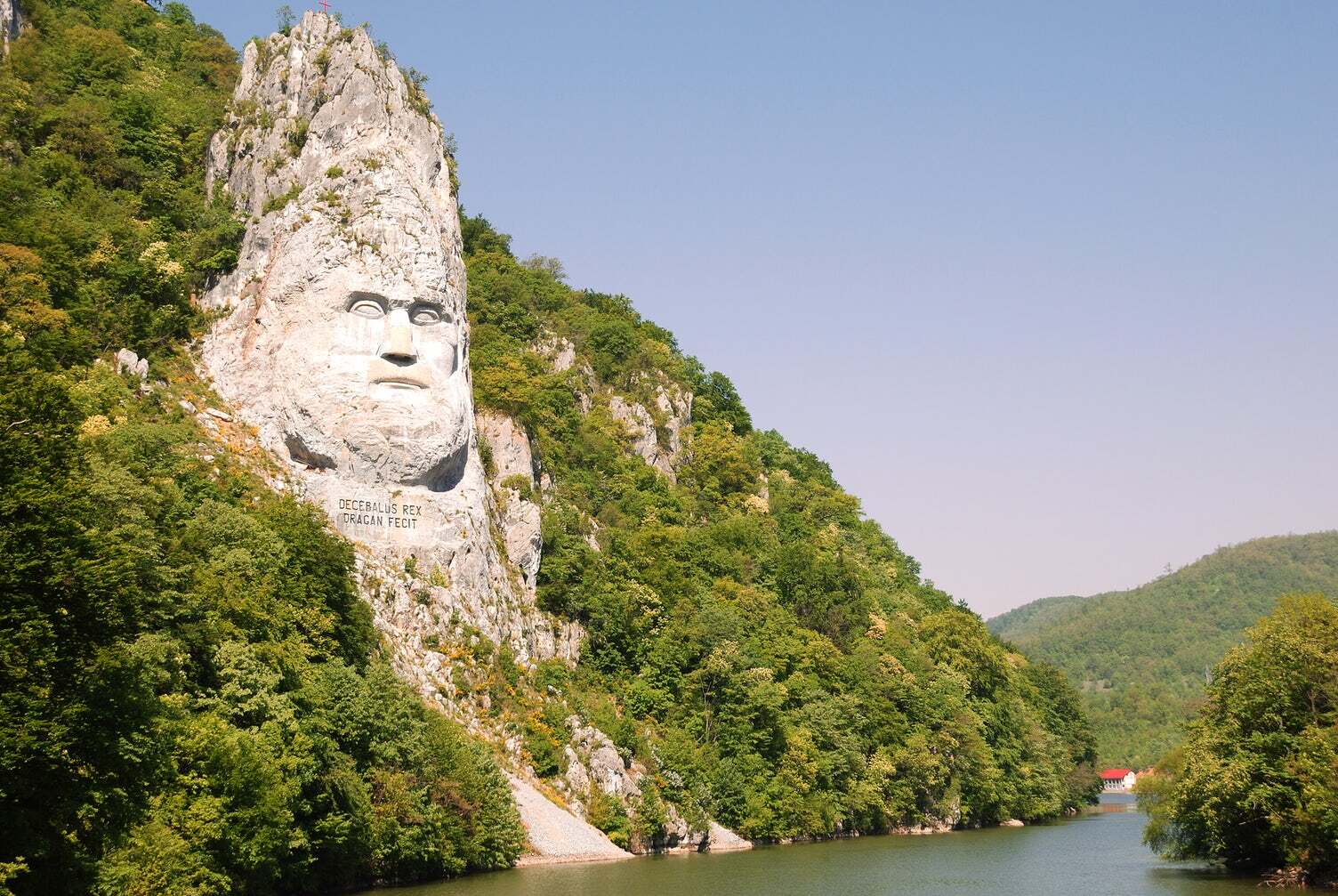
Nestled along the majestic banks of the Danube River, the statue of King Decebalus stands as a monumental tribute to a legendary figure of ancient history. Towering at 55 meters high, this colossal sculpture captures the fierce and noble spirit of Decebalus, the last king of the Dacians, who ruled from 87 to 106 AD. His reign marked a significant chapter in the region's tumultuous history, as he fiercely defended his kingdom against Roman expansion.
### History and Origins
The Dacians, an ancient people inhabiting what is now modern-day Romania, were known for their rich culture and formidable resistance against invading forces. Decebalus emerged as a central figure in this narrative, leading his people through a series of conflicts with the Roman Empire. His notable encounters with Emperor Trajan culminated in the Dacian Wars, which ultimately resulted in the annexation of Dacia by Rome in 106 AD.
The statue itself was conceived in the 1990s, driven largely by the vision of Joseph Constantine Dragan, a Romanian businessman. Construction commenced in 1994, with artisans and sculptors dedicating a decade to this ambitious project that finished in 2004. With a total cost exceeding $1 million, it is now celebrated as the tallest rock-carved sculpture in Europe, symbolizing both national pride and a connection to Romania's ancient roots.
### Art and Architecture
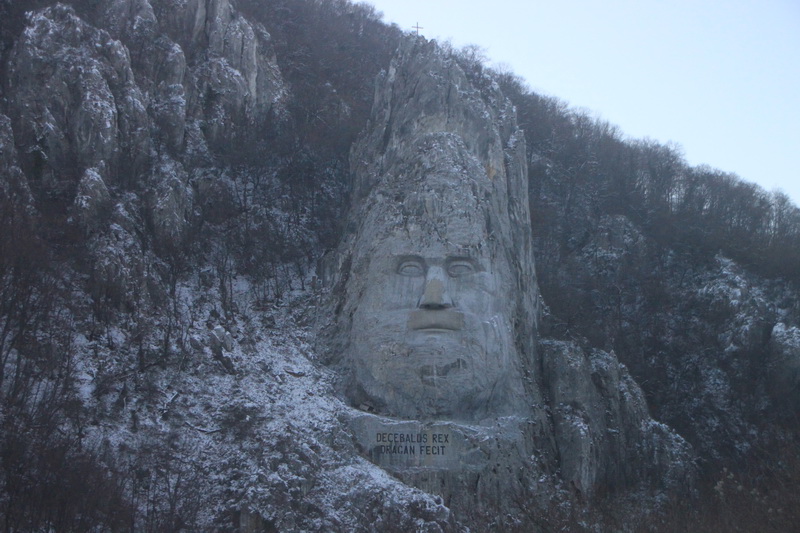
The statue of Decebalus is not merely a representation of a historical figure; it is a masterpiece of artistic ingenuity. Carved directly into the rocky face of the Iron Gates, the sculpture showcases a blend of classical and modern techniques. The facial features of Decebalus are meticulously detailed, with a fierce gaze that seems to challenge onlookers. Beneath his imposing visage, the inscription “DECEBALUS REX - DRAGAN FECIT” serves as both a marker of identity and a reminder of its creator’s dedication.
The artistic significance of this statue extends beyond its impressive scale. It embodies the spirit of resilience and cultural identity, echoing the historical struggles faced by the Dacians. Visitors often find themselves captivated not only by its size but also by the dramatic backdrop of the Danube and the surrounding gorges, which enhance the sculpture's grandeur.
### Local Culture and Traditions
The region surrounding Dubova is steeped in rich cultural traditions, influenced by both Dacian and Roman heritages. Locals celebrate various festivals throughout the year, including the Dacian Festival, which honors the legacy of Decebalus and showcases traditional music, dance, and crafts. This cultural pride is evident in the vibrant community life, where artisans continue to practice traditional crafts that have been passed down through generations.
Visitors may also find opportunities to engage with local customs, such as traditional Romanian hospitality, often expressed through shared meals and stories. The warmth of the locals enhances the experience, making it an inviting destination for those seeking to immerse themselves in authentic Romanian culture.
### Gastronomy
No visit to the area would be complete without indulging in the local gastronomy. The region is known for its hearty dishes that reflect a mix of Dacian and Romanian influences. Sarmale (cabbage rolls filled with minced meat and rice) and mămăligă (cornmeal porridge) are staple dishes that pay homage to traditional Romanian cuisine.
Additionally, the proximity to the Danube lends itself to a variety of fresh fish dishes, often prepared with local herbs and spices. Pair your meal with a glass of țuică, a potent plum brandy that is a staple in Romanian households, and you’ll have an authentic culinary experience that connects you to the land and its history.
### Lesser-Known Curiosities
While the statue of Decebalus is a significant draw for tourists, there are lesser-known facts that add depth to the visit. For instance, few are aware that directly across the Danube lies the Tabula Traiana, a monumental inscription commemorating the Roman conquest of Dacia. This juxtaposition of Roman and Dacian histories creates a poignant reminder of the region's complex past.
Moreover, the Iron Gates have long been a site of strategic importance, both historically and geographically. This natural gorge not only serves as a stunning visual element but also as a crucial transportation route, historically facilitating trade and cultural exchange.
### Practical Visitor Information
The best time to visit Dubova and the statue is during the late spring to early autumn months, when the weather is mild and the landscape is lush. Early mornings or late afternoons are particularly enchanting, as the sunlight casts dramatic shadows over the statue, enhancing its features.
When planning your visit, consider taking a boat tour along the Danube for a unique perspective of the statue and the surrounding gorges. Additionally, the nearby Cazanele Dunării National Park offers excellent hiking opportunities for those looking to explore the natural beauty of the region.
For a complete experience, be sure to bring a camera, as the views are breathtaking and the memories unforgettable.
Whether you are drawn by history, art, or the allure of local culture, the statue of Decebalus is a must-see destination that promises to leave a lasting impression. For those looking to explore Dubova and its surroundings, using the Secret World app can help you craft a personalized itinerary that captures the essence of this captivating location.
