🎄 Win a month in Italy for two — €10,000 · The Secret Italy Prize GO →
The Sundarbans Reserve Forest (SRF)
← Back
Pristine Nature 636 views

The Sundarbans Reserve Forest (SRF)

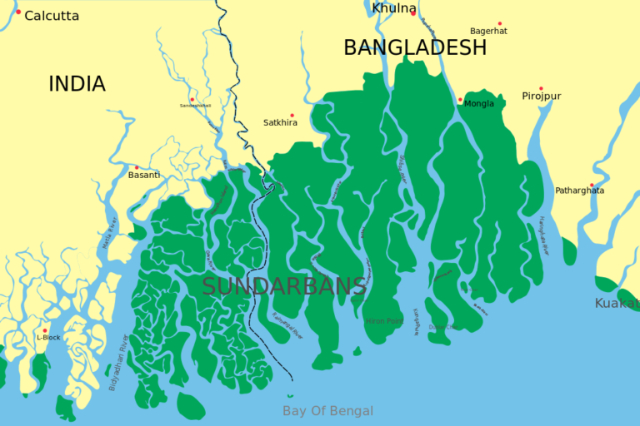
The Sundarbans Reserve Forest (SRF), spanning the southwest of Bangladesh and part of India, stands as the largest contiguous mangrove forest in the world and a striking example of dynamic ecological processes. This extraordinary region, covering approximately 10,000 km² with 60%...

Photo · Giovanna F.

The Sundarbans Reserve Forest (SRF) — Sundarbans.

Location
Sundarbans
Type
Pristine Nature
Opening hours
Weather now
27°C
↗ Directions

About The Sundarbans Reserve Forest (SRF)

The Sundarbans Reserve Forest (SRF) | Secret World Trip Planner

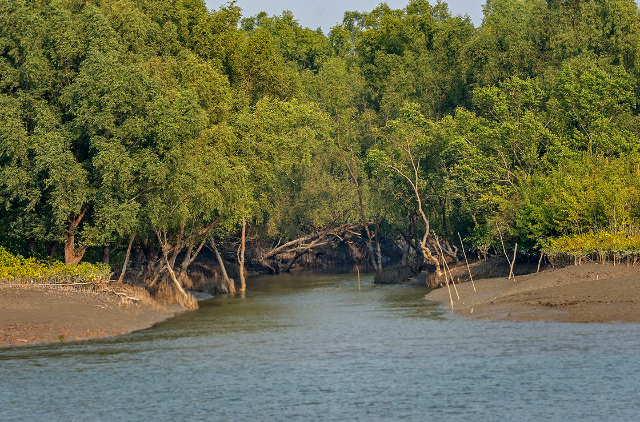
The Sundarbans Reserve Forest (SRF), spanning the southwest of Bangladesh and part of India, stands as the largest contiguous mangrove forest in the world and a striking example of dynamic ecological processes. This extraordinary region, covering approximately 10,000 km² with 60% in Bangladesh and the remainder in India, showcases the complex and ongoing formation of a delta from sediments delivered by three major rivers: the Ganges, Brahmaputra, and Meghna.
The Sundarbans Reserve Forest (SRF) | Secret World Trip Planner

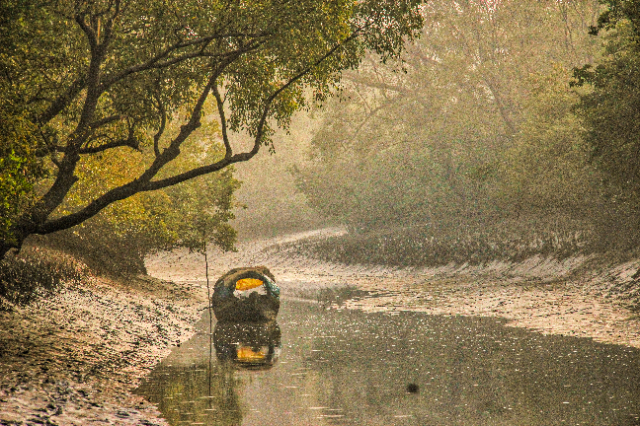
Nested between latitudes 21° 27′ 30″ and 22° 30′ 00″ North, and longitudes 89° 02′ 00″ and 90° 00′ 00″ East, the Sundarbans is a testament to the power of natural forces. The land, shaped and continuously reshaped by tidal actions, hosts a unique landscape of intricate water channels, mudflats, and sandbars, which occupy 70% of the area, while the remaining 30% comprises water bodies including rivers, streams, and small lakes.

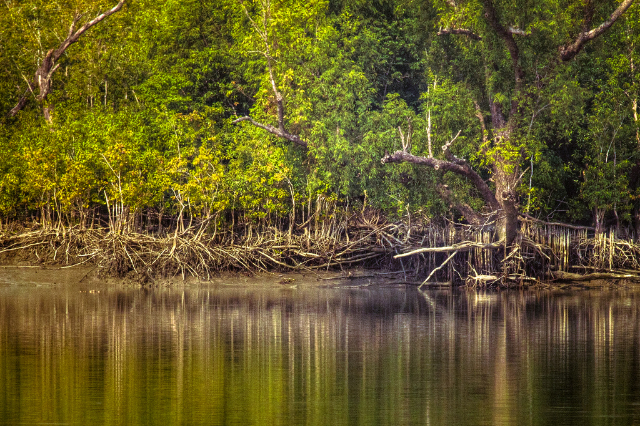
This region is not only significant for its size but also for the critical ecological processes it supports. These include monsoon rains that influence the salinity and sediment deposition; flooding that nurtures and alters habitats; delta formation that continually changes the landscape; tidal influences that define the ebb and flow of the mangrove ecosystem; and the colonization of plants uniquely adapted to this saline environment.
The Sundarbans Reserve Forest (SRF) | Secret World Trip Planner

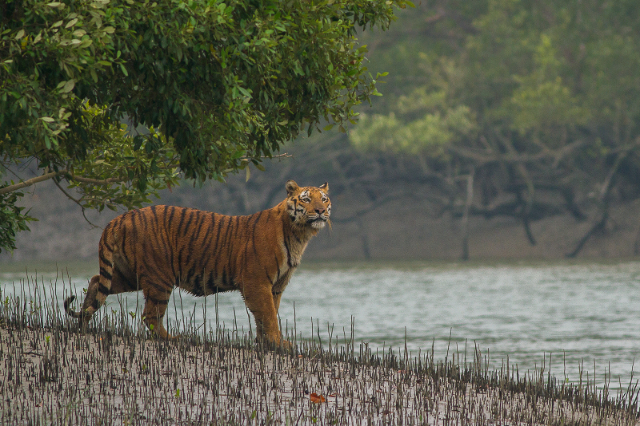
The Sundarbans is also renowned for its rich biodiversity. It is home to a myriad of species, including the iconic Royal Bengal Tiger, spotted deer, crocodiles, and snakes, alongside hundreds of bird species, making it a critical habitat for wildlife conservation. Moreover, the forest acts as a natural barrier against cyclones and tsunamis, protecting millions of people in coastal areas from these natural disasters.

As a UNESCO World Heritage Site, the Sundarbans is recognized not only for its ecological importance but also for the role it plays in advancing our understanding of natural processes and their interactions. The forest serves as a crucial area for research on delta dynamics, conservation biology, and the impacts of climate change on mangrove ecosystems.
The Sundarbans Reserve Forest (SRF) | Secret World Trip Planner

Visiting the Sundarbans provides a unique opportunity to witness these processes in action and to see firsthand how interconnected our planet's ecosystems are. It emphasizes the importance of preserving such unique habitats for future generations, not only for their natural beauty and biodiversity but also for their role in sustaining ecological balance and protecting human communities.
The Sundarbans Reserve Forest (SRF) | Secret World Trip Planner

Frequently Asked Questions

The Sundarbans is the largest contiguous mangrove forest in the world, spanning approximately 10,000 km² across Bangladesh and India. It is distinguished by its dynamic ecological processes, where three major rivers—the Ganges, Brahmaputra, and Meghna—continuously reshape the landscape through delta formation, creating an intricate network of water channels, mudflats, and sandbars that occupy 70% of the area.
The Sundarbans is home to iconic species including the Royal Bengal Tiger, spotted deer, crocodiles, and various snake species, alongside hundreds of bird species. This rich biodiversity makes it a critical habitat for wildlife conservation and a must-visit destination for nature enthusiasts and wildlife photographers.
The Sundarbans Reserve Forest spans the southwest of Bangladesh and part of India, with approximately 60% of the forest located in Bangladesh and the remaining 40% in India. The forest is situated between latitudes 21°27'30" and 22°30'00" North, and longitudes 89°02'00" and 90°00'00" East.
The Sundarbans landscape is continuously shaped by monsoon rains that influence salinity and sediment deposition, flooding that nurtures habitats, delta formation, tidal influences that define the ecosystem's rhythm, and the colonization of plants uniquely adapted to saline environments. These dynamic processes create an ever-changing landscape that exemplifies natural forces in action.
Yes, the Sundarbans acts as a natural barrier against cyclones and tsunamis, protecting millions of people in coastal areas from these devastating natural disasters. This protective function, combined with its ecological significance, has earned it recognition as a UNESCO World Heritage Site.

Experiences nearby

Powered by Viator

See more on Viator.com

Secret World Hidden places, real stories — plan your trip
Get the app
