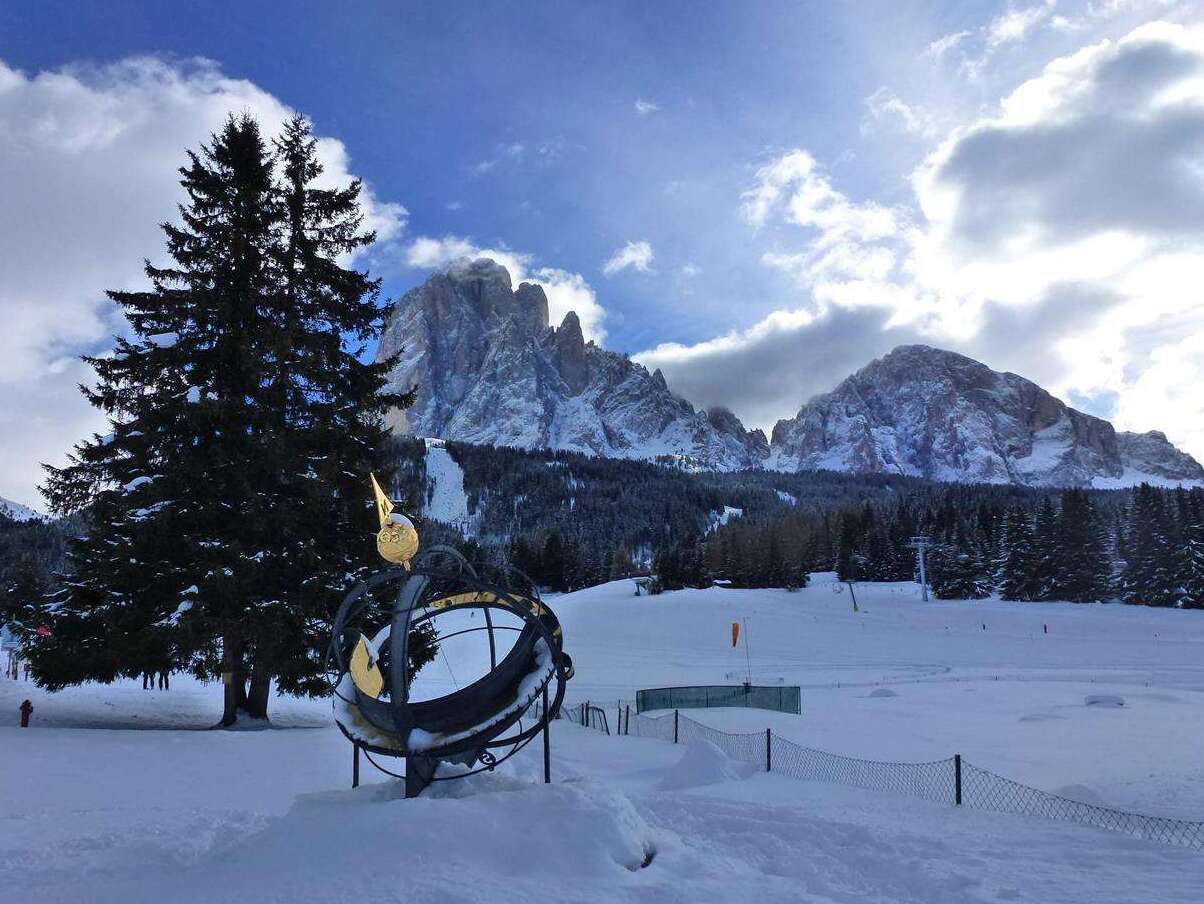

Perched majestically on Mount Pana, the sundial serves as both a remarkable astronomical instrument and a testament to human ingenuity. This striking spherical equatorial sundial, with a diameter of 2 meters, is not just a timekeeper; it connects visitors to the rhythms of nature and the cosmos, offering a unique perspective on time as it relates to the picturesque town of St. Christina and beyond.
### History and Origins
The sundial's origins trace back to an era when the measurement of time was intimately linked to agriculture and daily life. While precise historical records about its construction are scant, the sundial was inaugurated in 2003, designed by the renowned Italian architect Luis Cattaneo. It was conceived as part of a broader project to highlight the intersection of science and art in the Dolomite region. The Dolomites, a UNESCO World Heritage site, have long been a focal point for explorers and scientists alike, and the sundial fits seamlessly into this rich tapestry of history.
### Art and Architecture
The sundial's design is a masterful blend of art and science, showcasing the elegance of astronomical design. Crafted from iron, brass, and gold, it is anchored to a robust porphyry plinth weighing 10 tons—a nod to the geological history of the region. The sundial’s intricate details include markings that indicate not just the hour but also the beginning of the seasons and the positions of the zodiac signs. Visitors can witness the alignment of the sundial with the spring and autumn equinoxes and the summer and winter solstices, making it a dynamic piece of functional art. Its aesthetic appeal is not just in its materials but also in its harmonious integration with the stunning mountain landscape surrounding it.
### Local Culture and Traditions
Mount Pana is more than just a geographical location; it is a hub of local culture and traditions. The surrounding communities, particularly in Val Gardena, celebrate various festivals that reflect their rich heritage. One such event is the Sella Ronda, a ski tour that takes place every winter, drawing athletes and nature lovers alike. Additionally, the region is famed for its woodcarving traditions, a craft passed down through generations. The local culture is steeped in Ladin heritage, with the language and customs adding layers of depth to the visitor experience.
### Gastronomy
No visit to Mount Pana would be complete without tasting the local gastronomy. The region is known for its hearty mountain cuisine, which reflects the agricultural practices of the area. Speck, a type of cured ham, is a must-try, often served with Schüttelbrot (a type of crispbread) and local cheeses. The traditional canederli (bread dumplings) soaked in broth embody the rustic flavors of the region. For those with a sweet tooth, strudel filled with apples or berries is a delightful way to end a meal, paired perfectly with a glass of local Gewürztraminer wine.
### Lesser-Known Curiosities
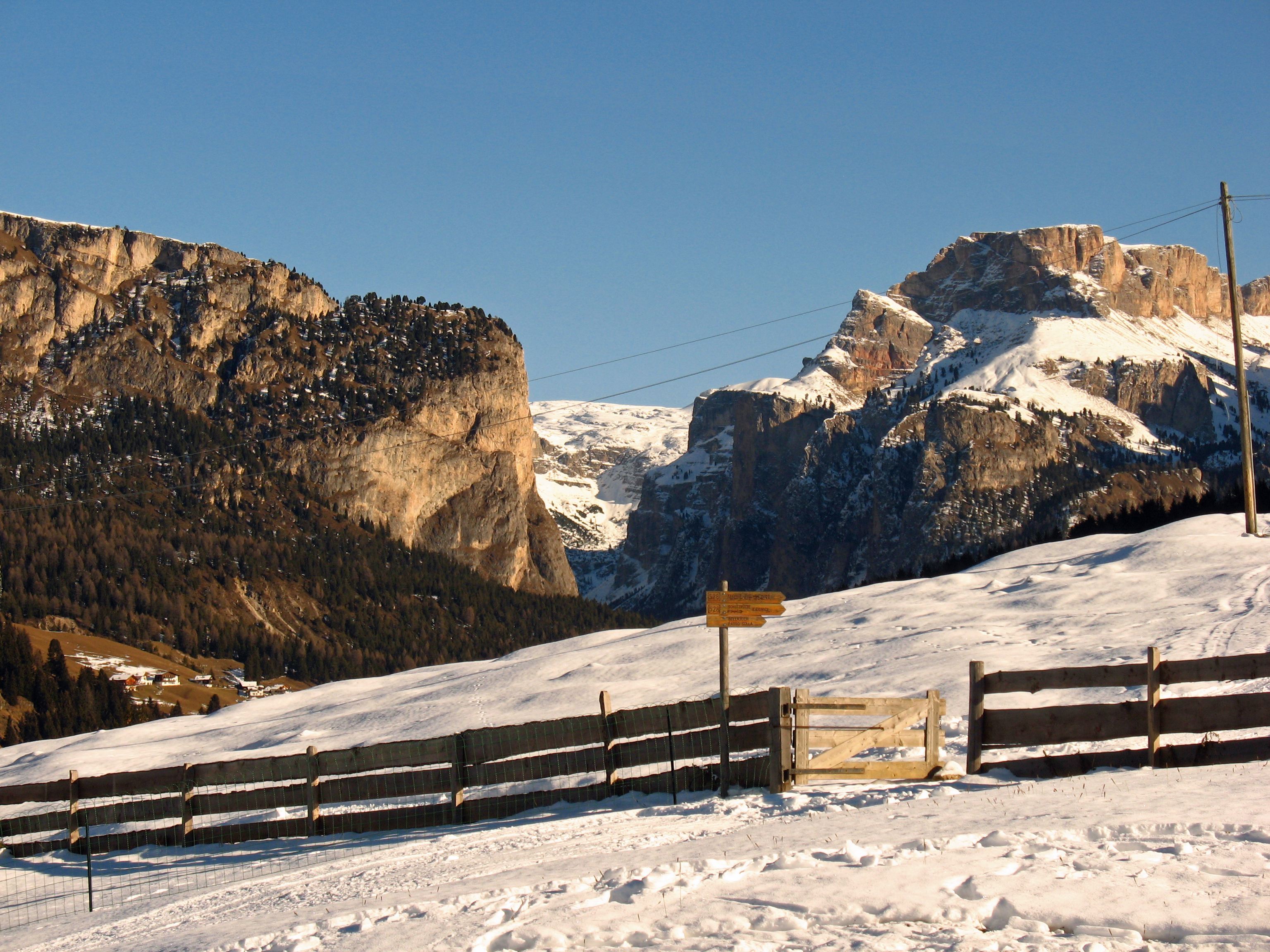
While many tourists flock to the sundial for its beauty and function, few realize the scientific precision behind it. The sundial not only tells the true local time for St. Christina but also synchronizes with 60 other cities around the world. This connectivity symbolizes the unity of time across different cultures. Furthermore, the sundial’s location on Mount Pana offers breathtaking panoramic views of the surrounding peaks, making it a perfect spot for photography enthusiasts and nature lovers.
Another interesting tidbit is that the sundial is part of a larger network of astronomical instruments sprinkled throughout the Dolomites, each designed to engage the public with the wonders of astronomy. This hidden gem is often overshadowed by more commercial tourist attractions, providing a tranquil escape for those willing to venture off the beaten path.
### Practical Visitor Information
The best time to visit the sundial is during the late spring and early autumn months when the weather is mild and the skies are clear, allowing for optimal viewing of both the sundial and the surrounding landscape. Visitors should consider bringing a camera, not just for the sundial but for the stunning views of the Dolomites that serve as a breathtaking backdrop.
For those planning a visit, it's advisable to wear comfortable hiking shoes, as the pathway leading up to the sundial can be steep and rocky. Additionally, try to arrive early in the morning to experience the tranquility of the mountains before the crowds arrive.
Exploring the sundial on Mount Pana offers a unique blend of art, science, and culture—a truly enriching experience for anyone interested in the wonders of our world. To make the most of your visit, consider using the Secret World app for a personalized AI itinerary that caters to your interests.
