



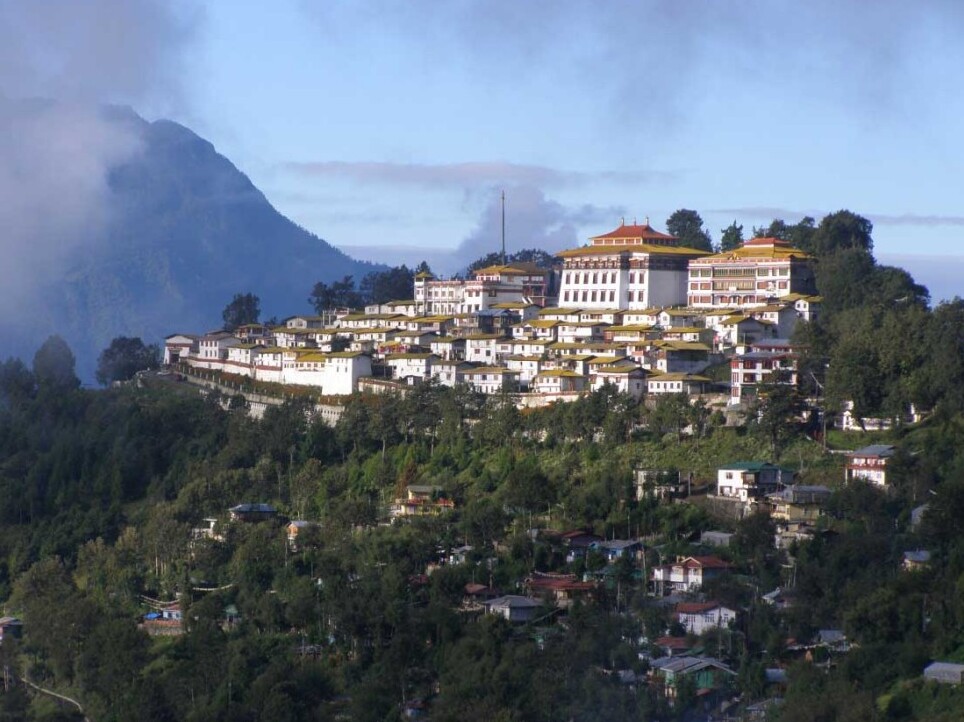
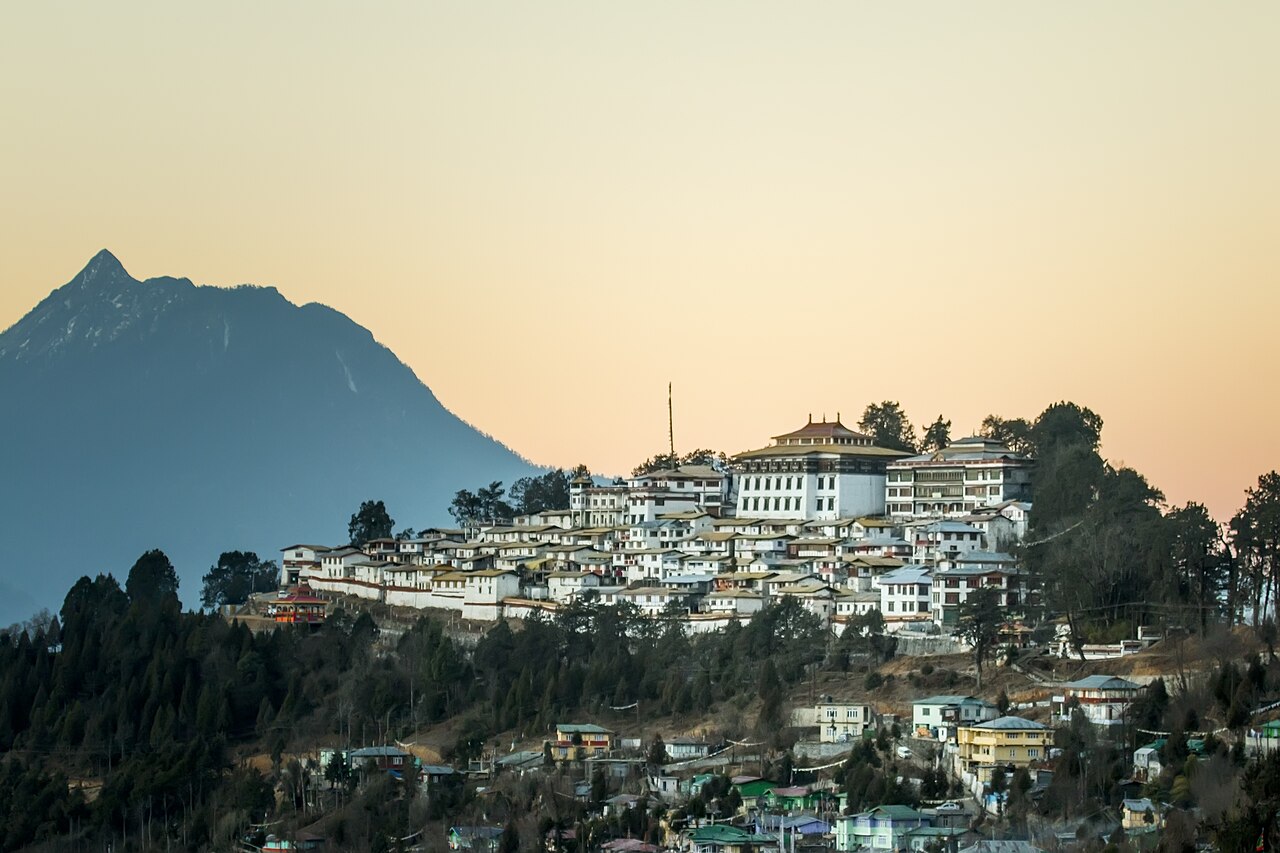
Nestled in the breathtaking Himalayas, the Tawang Monastery stands as a beacon of spiritual serenity and architectural grandeur. Known in Tibetan as Galden Namgey Lhatse, which translates to "celestial paradise in a clear night," this ancient monastery is the largest in India and one of the most significant in Asia. Its commanding views of the Tawang valley only add to the allure of this sacred site, making it a must-visit destination for those seeking both spiritual enrichment and cultural immersion.
### History and Origins
The Tawang Monastery was founded in 1680-81 by the Mongolian monk Merak Lama, a disciple of the great Tibetan teacher Mikyo Dorje, who is revered for spreading Buddhism across the region. Its establishment coincided with a period of burgeoning Tibetan Buddhism, and the monastery quickly became a center for Buddhist learning and practice.
Historically, Tawang has played a crucial role in the Buddhist community, especially during the 14th Dalai Lama's flight to India in 1959. The monastery not only provided refuge but also became a symbol of resilience and perseverance for Tibetan culture in exile. Over the centuries, it has weathered political upheaval and natural calamities, yet it stands resilient, a testament to the strength of the community it serves.
### Art and Architecture
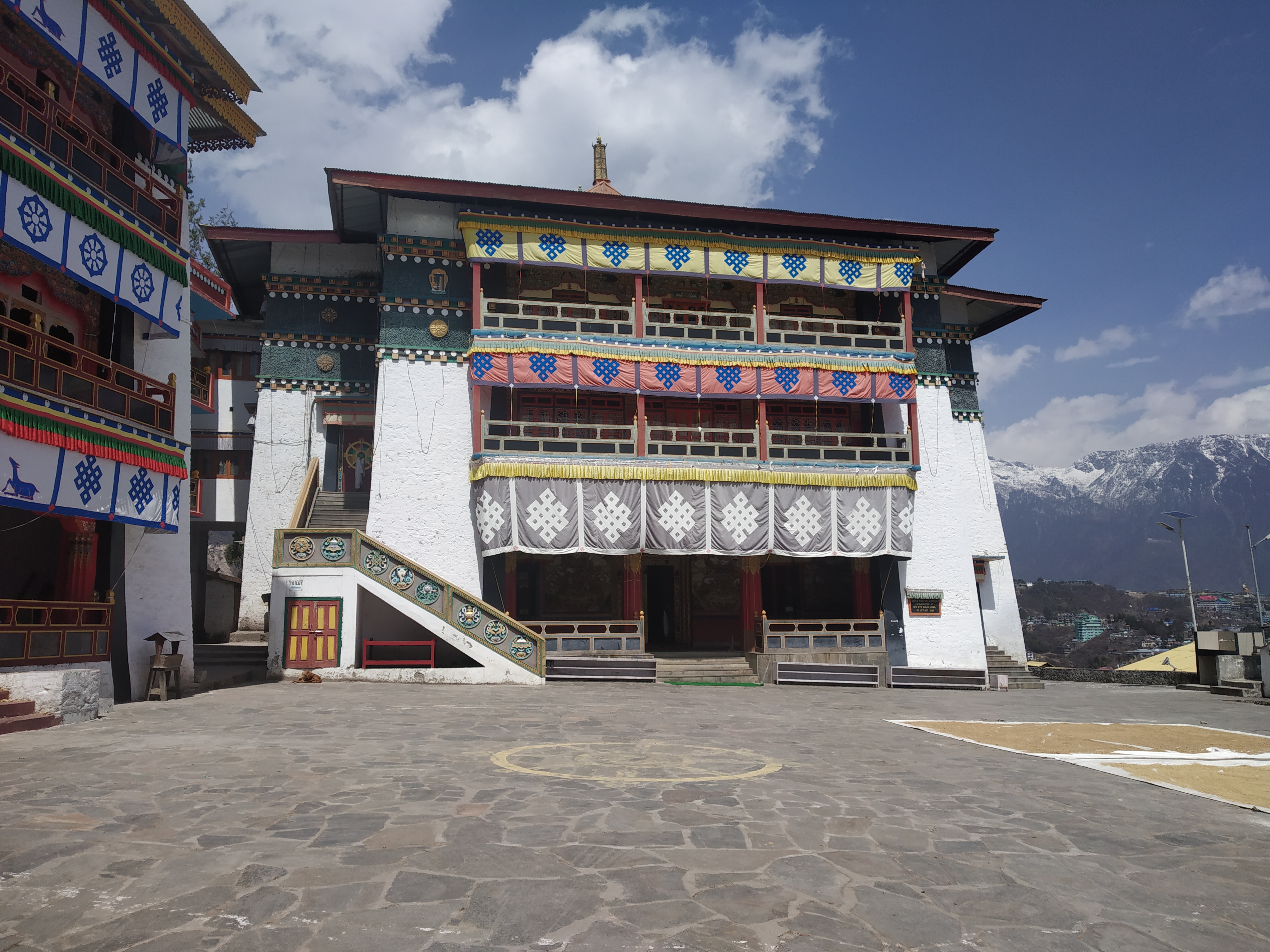
The architectural style of the Tawang Monastery is a stunning blend of traditional Tibetan designs and local influences. Spread over approximately 140 square meters, the three-storey structure is adorned with intricately painted murals and carvings that depict Buddhist iconography. The monastery houses a remarkable collection of artifacts, including a 30-foot statue of Buddha that dominates the main assembly hall, known as the Dukhang.
The vibrant colors of the monastery's walls and ceilings are not just visually stunning; they also hold deep spiritual significance. Each mural and thangka tells a story, inviting visitors to explore the rich tapestry of Buddhism and its teachings. The artistry here is not merely decorative; it serves as a visual narrative, guiding practitioners on their spiritual journey.
### Local Culture and Traditions
Tawang is a melting pot of Monpa culture, characterized by its unique customs and traditions. The region celebrates various festivals with great fervor, the most notable being Losar, the Tibetan New Year. During this time, the monastery comes alive with traditional music, dance, and rituals that attract visitors and locals alike.
The monks of Tawang Monastery play a vital role in preserving these traditions. They engage in daily rituals, chant prayers, and participate in community events that reinforce the spiritual fabric of Tawang. The monastery also serves as a site for important ceremonies, including the Karma Gurtso, a festival that honors the teachings of the Buddha and showcases the rich heritage of the Monpa people.
### Gastronomy
A visit to Tawang would be incomplete without indulging in its local cuisine. Traditional Monpa dishes are a delightful blend of flavors, often featuring locally sourced ingredients. One must try Thukpa, a hearty noodle soup that warms the soul, especially in the chilly Himalayan climate. Another local specialty is Momos, steamed dumplings typically filled with vegetables or meat, perfect for a quick snack after a day of exploration.
For those with a sweet tooth, Khapse—deep-fried pastries made during festivals—offer a taste of local traditions. Pair these delicacies with a warm cup of Butter Tea, a traditional beverage made from tea leaves, butter, and salt, which is not only nourishing but also a staple in the local diet.
### Lesser-known Curiosities
While many visitors flock to see the grand statue of Buddha, few know that the monastery houses a sacred relic known as the Sangye Pema. This is believed to be a hair of the Buddha, making it a significant object of reverence.
Moreover, the Tawang Monastery is not just a place of worship; it is a center for education. The monks here engage in rigorous study and training, and many young boys from surrounding areas come to live and learn in this spiritual sanctuary. This commitment to education ensures that the teachings of Buddhism continue to thrive.
### Practical Visitor Information
The best time to visit the Tawang Monastery is from March to October, when the weather is pleasant and conducive for exploration. It is advisable to dress modestly and respectfully, as the monastery is a sacred space.
When visiting, be sure to take time to wander the surrounding hills, where you can witness the stunning landscapes of the Himalayas. Don’t miss the opportunity to engage with the monks, who are often open to sharing their insights and teachings with visitors.
Whether you’re a spiritual seeker, an architecture enthusiast, or a cultural explorer, the Tawang Monastery promises a unique and enriching experience that lingers long after you leave its hallowed grounds.
For a truly personalized journey to Tawang, consider using the Secret World app to craft your ideal itinerary.
