
← Back

The Temple of Hephaestus

Stirieon 3, Athina 118 51, Greece ★★★★☆ 238 views
Corinne Falk
Athina
🏆 AI Trip Planner 2026

Get the free app

Discover the best of Athina with Secret World — the AI trip planner with 1M+ destinations. Get personalized itineraries, hidden gems and local tips. Free on iOS & Android.

🧠 AI Itineraries 🎒 Trip Toolkit 🎮 KnowWhere Game 🎧 Audio Guides 📹 Videos
Scan to download iOS / Android
Scan for AppGallery Huawei users

About The Temple of Hephaestus

The Temple of Hephaestus - Athina | Secret World Trip Planner

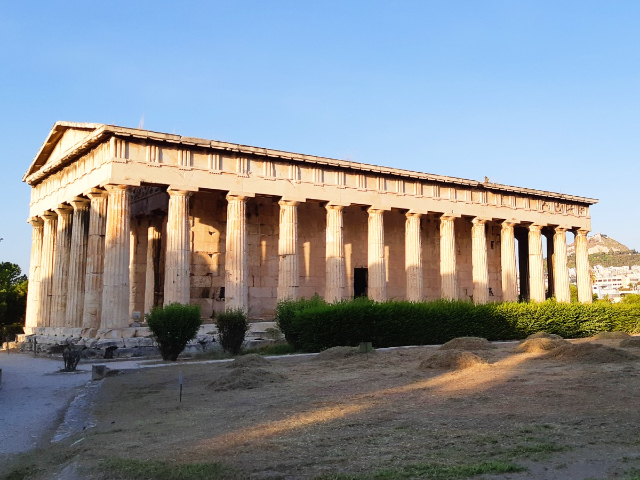
The Temple of Hephaestus, located on the northwestern side of the Agora of Athens, is one of Greece's best-preserved ancient heritage buildings. Dedicated to the ancient god of fire, Hephaestus, this temple is an outstanding example of Doric architecture.
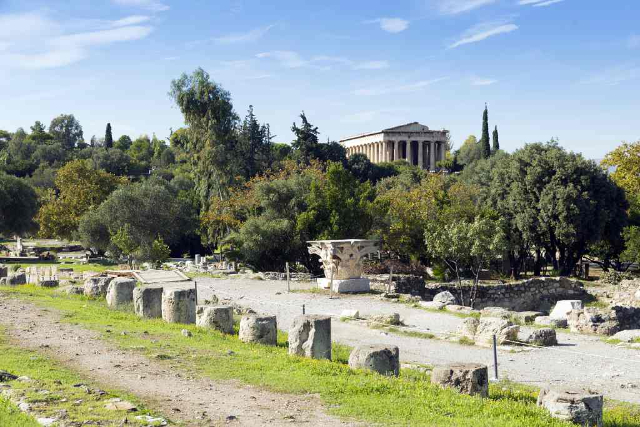
The Temple of Hephaestus - Athina | Secret World Trip Planner

Built between 449 and 415 BC, the temple showcases the architectural principles of the Doric style. It boasts sturdy columns, simple yet elegant ornamentation, and harmonious proportions. It's famous for its excellent state of preservation, even after enduring earthquakes and various historical events.

The temple's peripteral design, featuring six columns on both the front and back, is constructed from Pentelic marble. Its imposing presence and well-proportioned columns reflect the typical features of Doric architecture. The frieze that encircles the temple is adorned with bas-reliefs depicting various mythological scenes.

Throughout its history, the Temple of Hephaestus served both religious and civic purposes, underscoring its significance in the life of ancient Athens. The profusion of images and decorations on the temple reflects the cultural values and narratives of its time.

Over the centuries, the temple underwent several transformations, including its use as a burial site for Europeans during the Ottoman era. Nevertheless, the temple's original purpose and grandeur have never been forgotten. In modern times, the temple has undergone meticulous restoration to ensure its preservation for future generations.

The columns of the Temple of Hephaestus are a prominent architectural feature. Each column represents a testament to the structural elegance of the Doric style and attests to the skill of ancient Greek craftsmen. Visiting the Temple of Hephaestus offers a chance to immerse oneself in antiquity, admire the exceptional achievements of Greek architecture, and gain insights into the cultural and religious practices of the time.

The Temple of Hephaestus is a must-visit for history enthusiasts and those who appreciate classical design. It stands as a lasting heritage site, providing a window into a fascinating past.

🗺 AI Trip Planner

Plan your visit to Athina

Suggested itinerary near The Temple of Hephaestus

MAJ+
500.000+ travelers worldwide
  1. 🌅
    Morning
    The Temple of Hephaestus
    📍 Athina
  2. ☀️
    Afternoon
    The Ancient Agora of Athens: A Historical Hub of Civic Life
    📍 0.1 km · Athina
  3. 🌆
    Evening
    Museum of Illusions Athens
    📍 0.2 km · Athina

Buy Unique Travel Experiences

Powered by Viator

See more on Viator.com

Explore nearby · Athina

Frequently Asked Questions

The Temple of Hephaestus is dedicated to Hephaestus, the ancient Greek god of fire. It was constructed between 449 and 415 BC, making it one of Greece's best-preserved ancient heritage buildings from the Classical period.
The Temple of Hephaestus is located on the northwestern side of the Agora of Athens, making it easily accessible as part of the ancient Agora archaeological site. This central location allows visitors to explore both the temple and the surrounding historical landmarks.
The Temple of Hephaestus is an outstanding example of Doric architecture, featuring six columns on both the front and back in a peripteral design, constructed from Pentelic marble. The temple is famous for its sturdy columns, simple yet elegant ornamentation, harmonious proportions, and a frieze adorned with bas-reliefs depicting mythological scenes.
The temple's excellent state of preservation is remarkable given that it has endured earthquakes and various historical events over centuries. Its durability can be attributed to the quality of Pentelic marble used in construction and meticulous restoration efforts in modern times to ensure its preservation for future generations.
During the Ottoman period, the Temple of Hephaestus was used as a burial site for Europeans, representing one of several transformations the structure underwent throughout history. Despite these changes in function, the temple's original purpose and grandeur have never been forgotten, and it remains a testament to ancient Greek cultural and religious practices.
