

Immersed in the green heart of Bosnia and Herzegovina, the Tjentiste Monument represents an extraordinary fusion of art, history, and nature. Located in the picturesque village of Tjentište, this commemorative site is a tribute to the partisans and victims of World War II, honoring their sacrifice while celebrating the resilience of the Bosnian people. With its bold architecture and breathtaking natural context, Tjentiste offers visitors a profound and reflective experience.
Inaugurated in 1971 and designed by Slovenian artist and architect Bogdan Bogdanović, the monument is not only a place of worship but also a work of art that invites meditation on conflict, loss, and hope. Its location, surrounded by mountains and rivers, amplifies the message of peace and reconciliation that the memorial seeks to convey.
An Artwork in the Heart of Nature
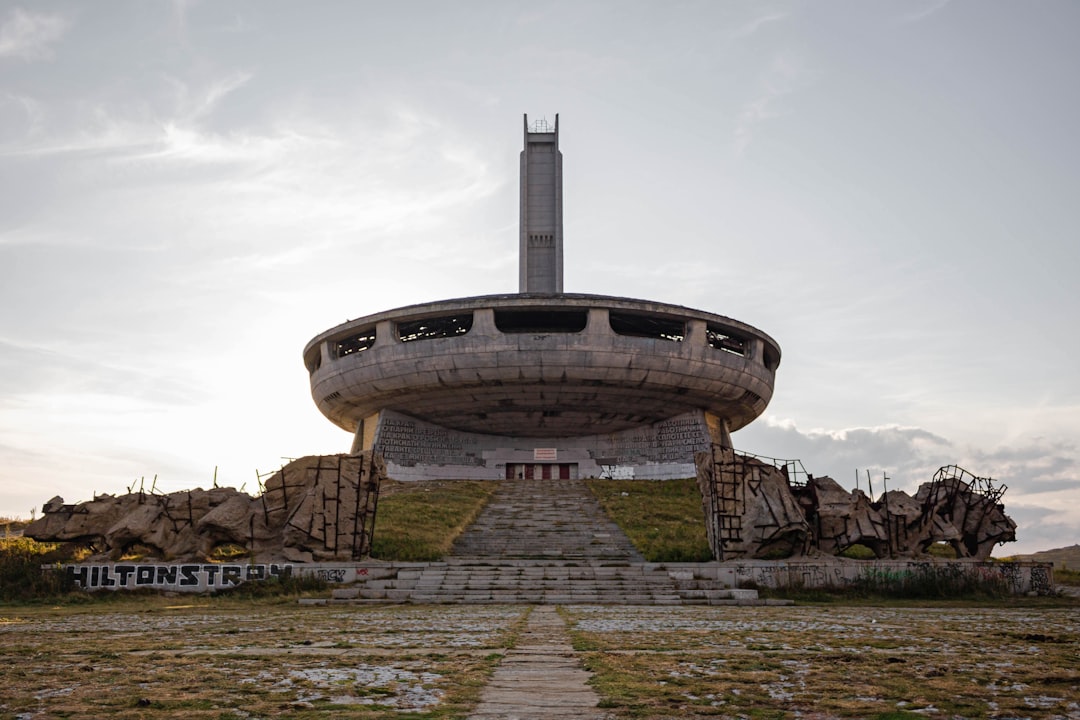
The Tjentiste Monument is an emblematic example of how art can be used to honor the memory of those who fought for freedom. The geometric shapes and bold lines of the monument intertwine harmoniously with the surrounding landscape, creating a visual dialogue between the work and nature. The stone and concrete sculptures, representing the partisans and civilians, emerge from the ground as if they were an intrinsic part of the landscape, symbolizing the connection between history and the soil we tread.
The choice of material, concrete, is not random; it represents the hardness and resilience of the individuals commemorated. The asymmetric shapes reflect the scars of war, while the lush greenery surrounding the monument offers a contrast of hope and rebirth. It is in this space that visitors can not only admire the art but also reflect on what it meant to live in a time of conflict.
A Journey Through History
To fully understand the significance of the Tjentiste Monument, it is essential to know the historical context in which it was erected. Bosnia and Herzegovina has a complex history marked by conflicts and divisions. During World War II, the country was the scene of extreme violence, and many partisans sacrificed their lives to fight against the Nazi occupation. The monument not only commemorates these individuals but also serves as a symbol of unity during a time when society was deeply divided.
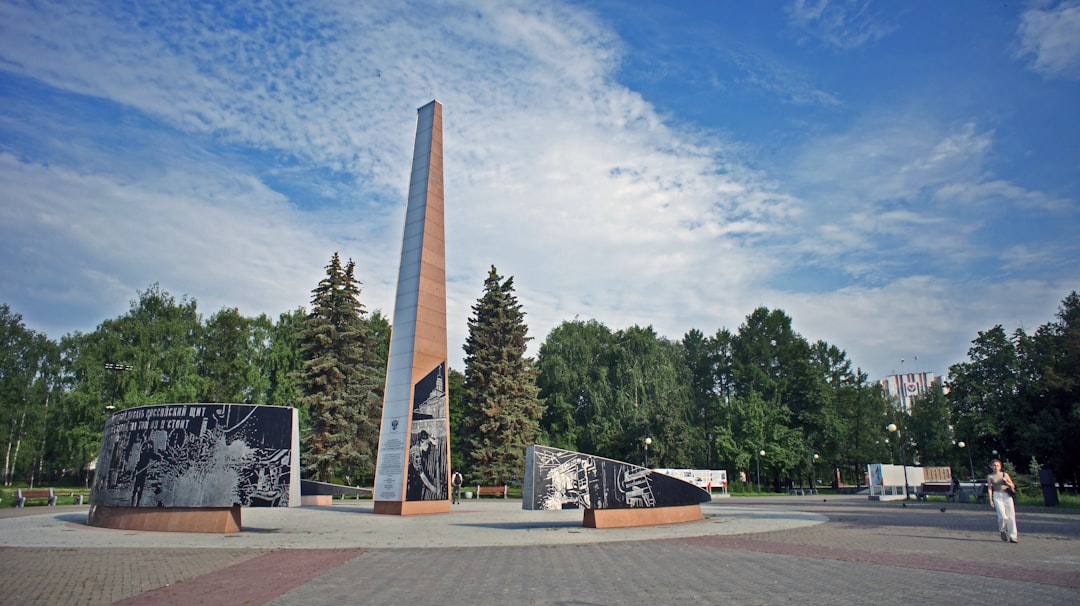
The memorial is located near the Drina River, an area that witnessed many battles and suffering. By visiting the site, tourists can relive an important chapter of Bosnian history and understand the value of collective memory. Every year, on February 15th, a commemorative ceremony is held in honor of the victims, drawing visitors and residents to pay tribute to those who gave their lives for freedom.
A Place of Reflection and Reconciliation
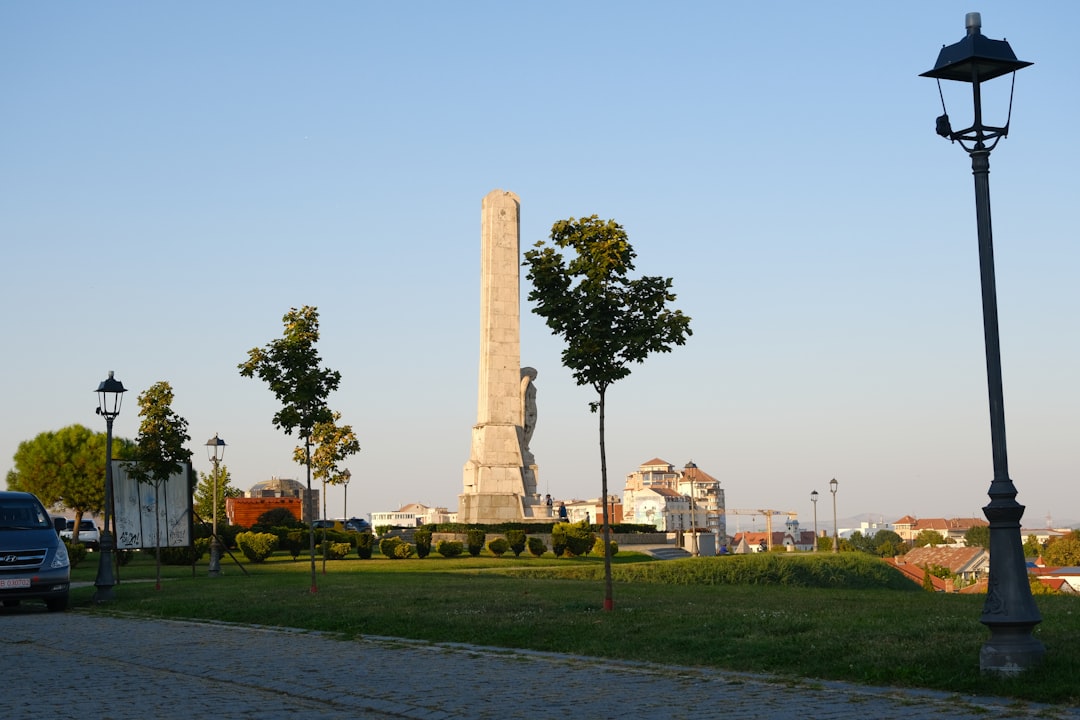
In addition to its historical significance, the Tjentiste Monument is a place of reflection and reconciliation. Its evocative shapes invite visitors to meditate on the consequences of war and the importance of peace. Here, in the silence interrupted only by the rustling of trees and the gurgling of water, one can immerse themselves in deep and personal thoughts about life and death, about war and peace.
Many visitors report a sense of calm and introspection as they stroll among the sculptures. The monument becomes a stage for contemplation, a place where emotions can be expressed and reprocessed. In a world often marked by conflicts, Tjentiste becomes a beacon of hope and an invitation to build a better future, based on understanding and mutual respect.
Conclusion: An Unforgettable Experience
The Tjentiste Monument is much more than just a memorial; it is a journey through history, a work of art immersed in nature, and a meeting place for memory and hope. Visiting Tjentiste means not only paying tribute to those who have suffered but also reflecting on what we can learn from the tragedies of the past. In an era where division seems to prevail, this monument reminds us of the importance of peace and unity. A trip to Tjentište is not just a tourist experience, but an opportunity to reconnect with history and with humanity itself.


