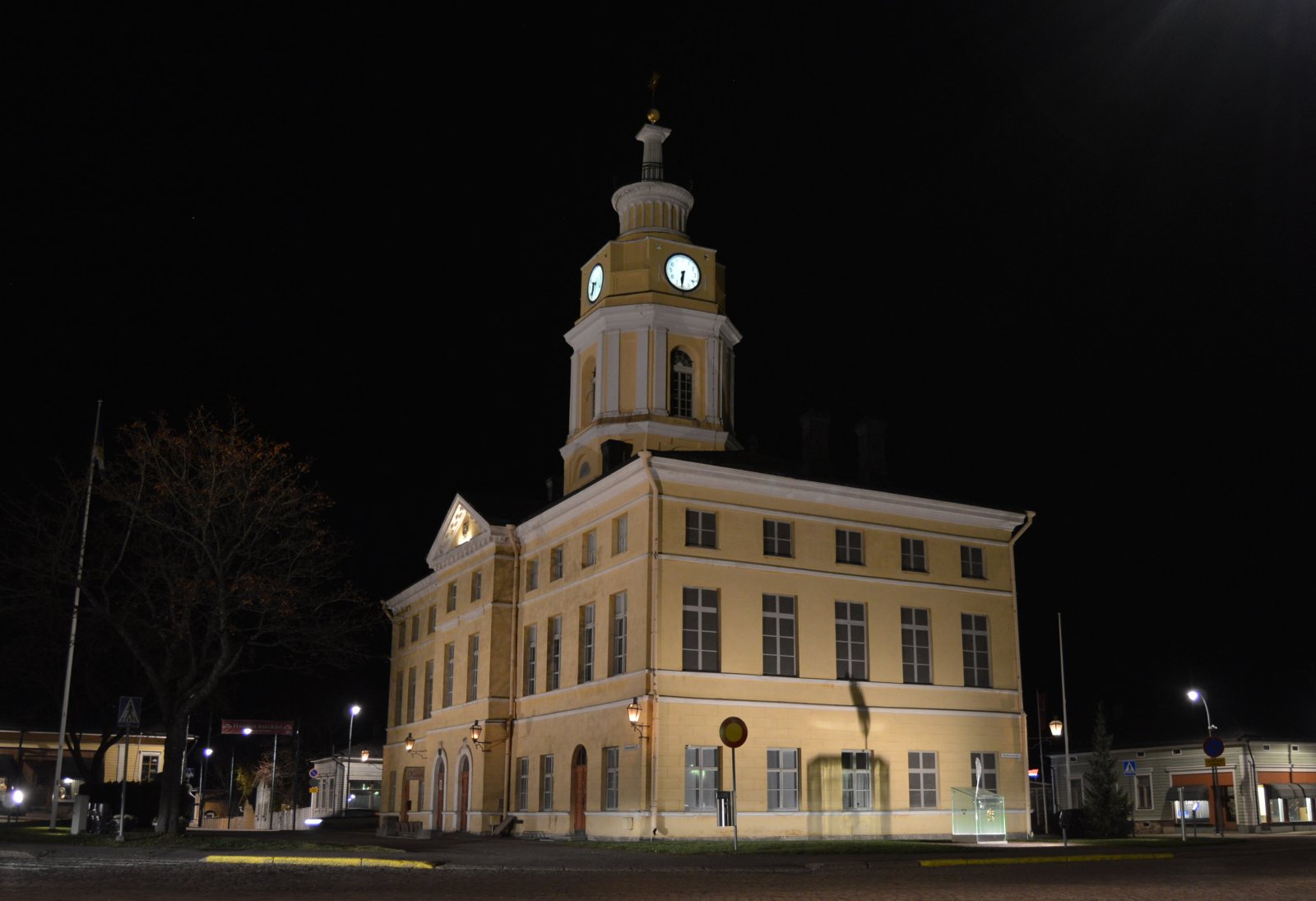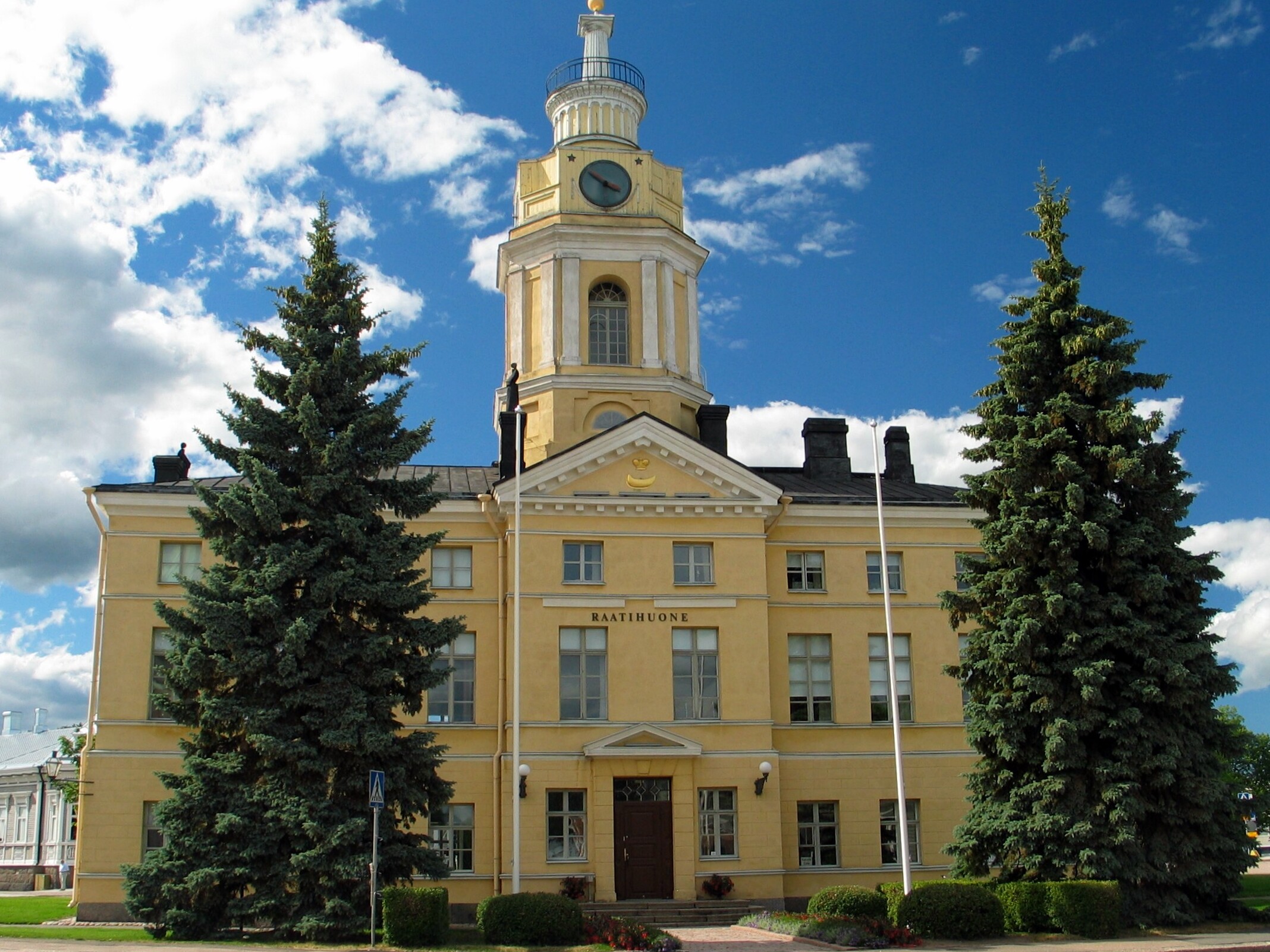

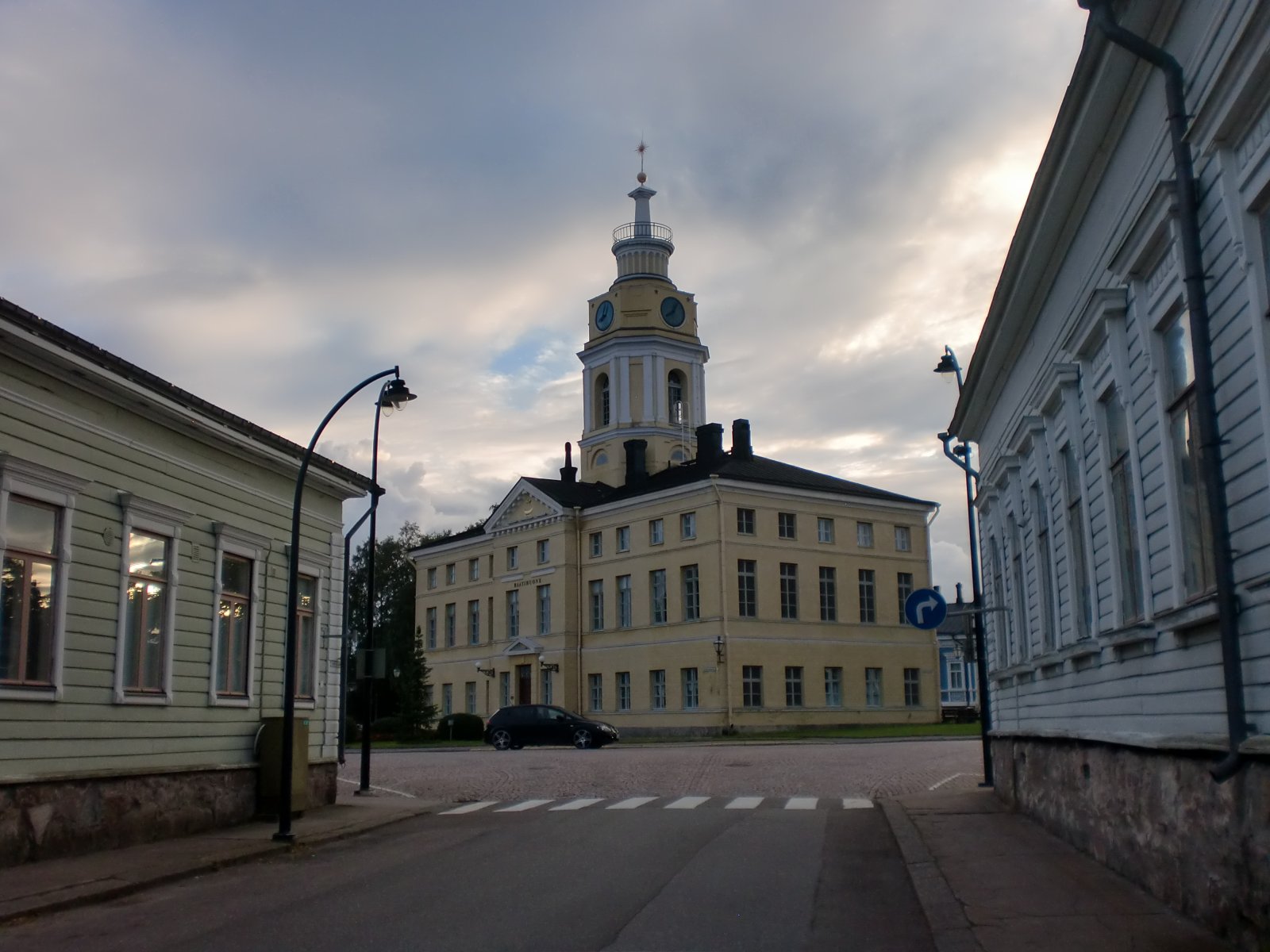
The Town Hall stands proudly at the very heart of Hamina, Finland, a city steeped in rich history and vibrant culture. Nestled at the intersection of eight radial streets, this striking building is not only a functional space for the town’s central administration but also a testament to the architectural vision of the 19th century.
### History and Origins Founded in the late 17th century, Hamina has a storied past that reflects the tumultuous history of Finland itself. The original Town Hall, constructed in 1798, was a hub of local governance and community activities. However, the town faced significant challenges, including two devastating fires that destroyed the original structure. After the second fire in 1821, the decision was made to rebuild, leading to the current empire-style building designed by the renowned architect Carl Ludwig Engel in the 1840s. Engel’s design is characterized by its classical symmetry and grand columns, offering a glimpse into the architectural trends of the time.
### Art and Architecture The Town Hall of Hamina is a prime example of empire architecture, with its elegant facade and spacious interiors that reflect both functionality and beauty. The building features classical elements, such as a pediment and pilasters, which are hallmarks of Engel’s work. Inside, visitors can admire various artworks that celebrate the town's history and cultural heritage. The grand staircase and decorative ceilings create an inspiring atmosphere, making it a fitting home for local governance.
### Local Culture and Traditions Hamina is rich in cultural traditions, many of which are celebrated in and around the town hall. The annual Hamina Tattoo, a military music festival held in August, transforms the town into a vibrant celebration of music, art, and camaraderie. Locals and visitors alike gather to enjoy performances that showcase military bands from around the world. Additionally, the Hamina City Festival in June features arts, crafts, and local food, fostering a sense of community and cultural pride. These events highlight the importance of the Town Hall as a focal point for civic life.
### Gastronomy When visiting Hamina, one cannot overlook the local gastronomy that reflects Finnish traditions. The region is known for its delicious rye bread, a staple in Finnish cuisine. Additionally, Kalakukko, a traditional fish pie made with rye crust and filled with fish and pork, is a must-try for food enthusiasts. Visitors can also enjoy mustikkapiirakka (blueberry pie), which showcases the abundance of wild berries in Finnish forests. Pair these dishes with a glass of salmiakki, a unique Finnish liquorice-flavored schnapps, for an authentic local experience.
### Lesser-Known Curiosities While many tourists flock to the iconic Town Hall, there are hidden gems within its vicinity. The town’s radial street layout, which emanates from the central square, was designed in the late 1700s and reflects the influence of Fortress Town planning, aimed at optimizing defense. Another curious fact is that the Hamina area is home to the only surviving star-shaped fortress in Finland, adding a layer of historical intrigue to the town. Additionally, legends of local ghosts and folklore often emerge during nighttime strolls around the Town Hall, making for an enchanting experience.
### Practical Visitor Information The best time to visit Hamina is during the summer months, from June to August, when the weather is mild, and local festivals are in full swing. To make the most of your visit, take a leisurely stroll around the Town Hall and enjoy the surrounding parks and cafes. Look out for guided walking tours that delve into the town’s history, often starting from the Town Hall itself.
Visiting the Town Hall of Hamina offers a unique glimpse into the heart of Finnish culture, history, and architecture. With its rich past and vibrant present, it is a must-see for anyone exploring this charming city. To make your visit even more memorable, consider using the Secret World app to create a personalized itinerary tailored to your interests.