
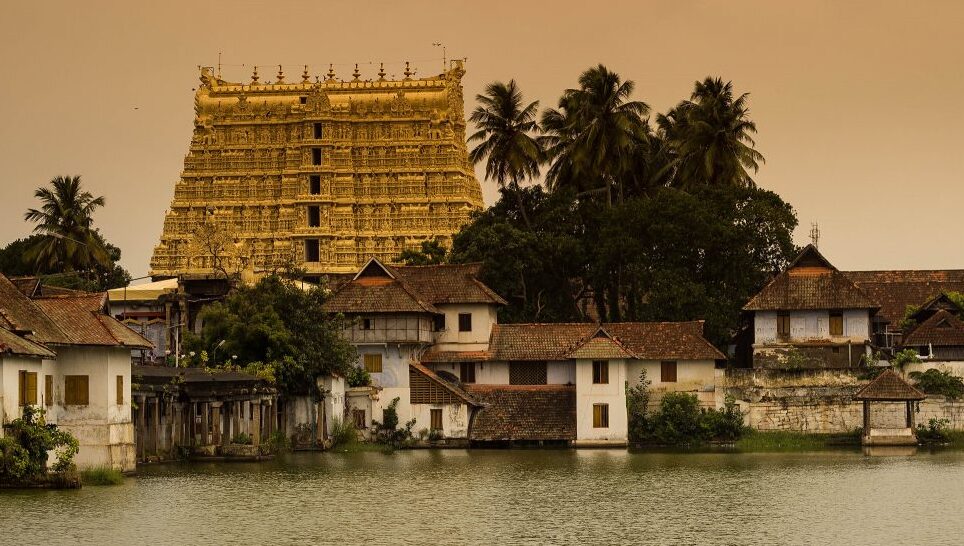

At the southern tip of Kerala, the capital city of Thiruvananthapuram is home to one of the most enigmatic religious sites in the world: the Padmanabhaswamy Temple. Revered for its architectural grandeur and shrouded in mystery, this temple is dedicated to Lord Vishnu, and has been a beacon of spiritual and cultural significance since its inception.
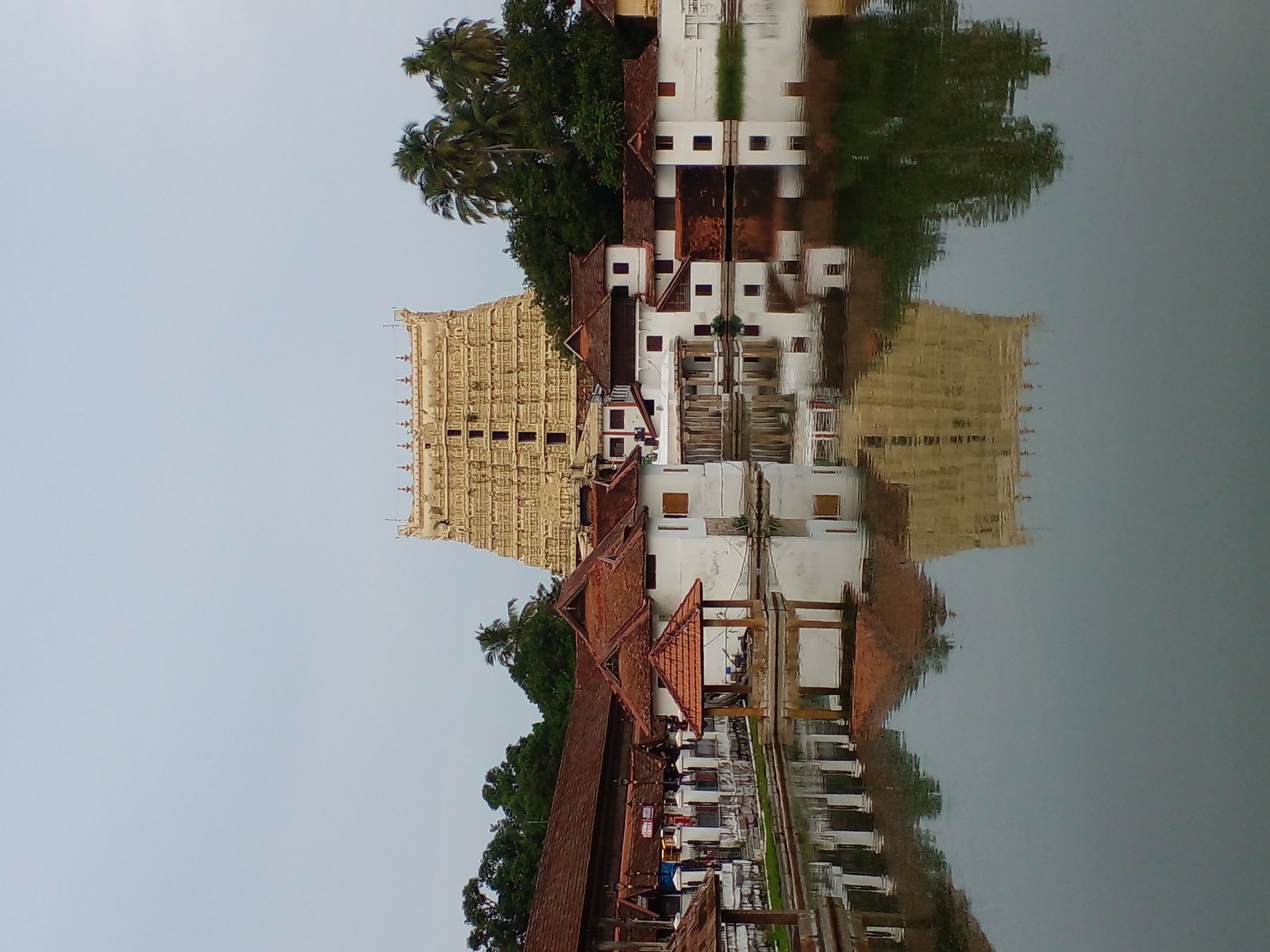
The origins of the Padmanabhaswamy Temple can be traced back to ancient times, with references found in texts dating as early as the 8th century CE. However, its historical roots intertwine more prominently with the Travancore dynasty, particularly during the reign of Maharaja Marthanda Varma in the 18th century, who played a pivotal role in elevating the temple’s status. Under his patronage, the temple flourished, and he declared himself the "Servant of the Lord," embodying the deep connection between the monarchy and the temple's divine authority. The temple not only served as a place of worship but also as a symbol of the royal family's devotion and their commitment to the people of Travancore.
Architecturally, the Padmanabhaswamy Temple showcases the Dravidian style, characterized by intricate carvings and towering gopurams (gateway towers). The temple complex is adorned with detailed sculptures depicting various deities and mythological scenes, inviting visitors to immerse themselves in the rich tapestry of Hindu mythology. Notably, the central idol of Padmanabhaswamy is a magnificent depiction of Lord Vishnu reclining on the serpent Ananta. This awe-inspiring statue, made of a unique combination of herbs and metals, is draped in exquisite garments, enhancing its divine allure.
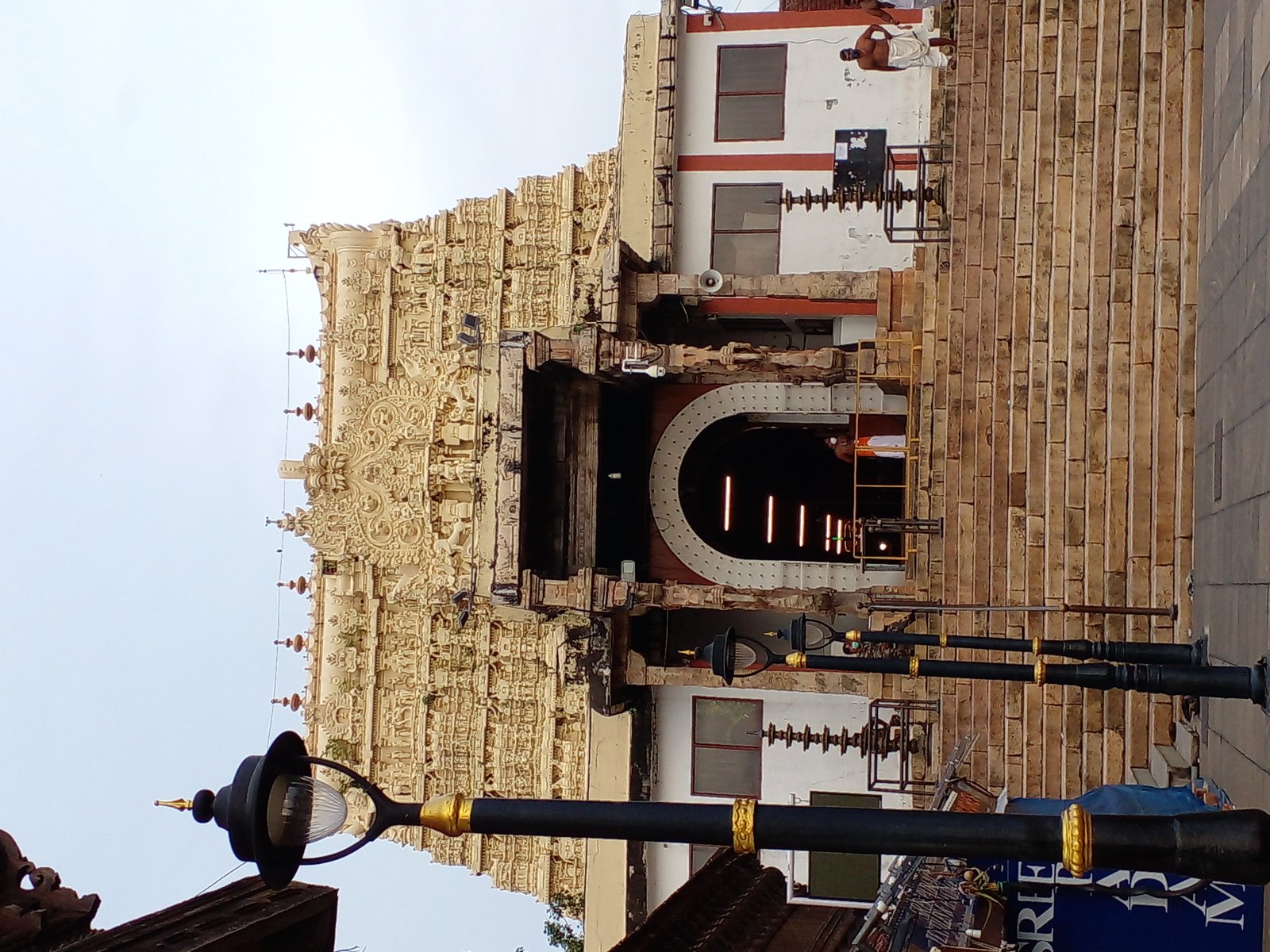
Rich in artistic significance, the temple is not just a spiritual haven but also a treasure trove of artistic heritage. The golden dome and the elaborate stone-carved pillars within the temple are testaments to the craftsmanship of ancient artisans. Visitors often find themselves entranced by the temple's murals, which vividly illustrate stories from the Puranas and are a reflection of the deep-rooted artistic traditions of Kerala.
Culturally, the Padmanabhaswamy Temple is the epicenter of various local customs and traditions. The temple hosts numerous festivals, the most notable being the Alpashi Festival and Navaratri, which draw thousands of devotees and tourists alike. During these festivities, the temple is transformed into a vibrant spectacle, filled with colorful processions, traditional music, and dance performances that celebrate the rich heritage of Kerala. The temple’s rituals, guided by a strict adherence to tradition, highlight the integration of spirituality and community life, reinforcing the temple’s role as a focal point of local culture.
No exploration of this region would be complete without indulging in its rich gastronomy. Traditional Kerala cuisine, renowned for its aromatic spices and fresh ingredients, finds a special place around the temple. Local delicacies such as sadya, a feast served on a banana leaf featuring an array of vegetarian dishes, and payasam, a sweet rice pudding made with coconut milk, are often offered as prasadam (blessed food) to devotees. The flavors of Kerala's seafood are also prominent, with dishes like meenkari (fish curry) showcasing the culinary diversity that thrives in this coastal state.
Among the many treasures associated with the temple, the most captivating is undoubtedly the treasure vaults. In 2011, the Supreme Court of India ordered the opening of the temple's six underground chambers, revealing an astonishing collection of artifacts. The estimated worth of the treasure, which includes gold crowns, jewelry, and ancient coins, is said to exceed $20 billion. However, one of the chambers remains sealed and is considered a forbidden zone for religious reasons, adding to the allure and mystery of the temple’s riches. Visitors are often left wondering about the secrets that still lie hidden beneath the temple.
When planning a visit to the Padmanabhaswamy Temple, the best time is during the cooler months from October to March. Dress modestly, as the temple has strict attire guidelines, requiring visitors to wear traditional attire. Be sure to take time to explore not just the temple but the surrounding area, which offers beautifully manicured gardens and glimpses of traditional Kerala architecture.
In the heart of Thiruvananthapuram, the Padmanabhaswamy Temple stands as a testament to the region's rich history, art, and culture. Its blend of spirituality, architectural magnificence, and the allure of hidden treasures makes it a must-visit destination.
Explore these wonders and more by using the Secret World app to plan your personalized itinerary in Thiruvananthapuram.


