



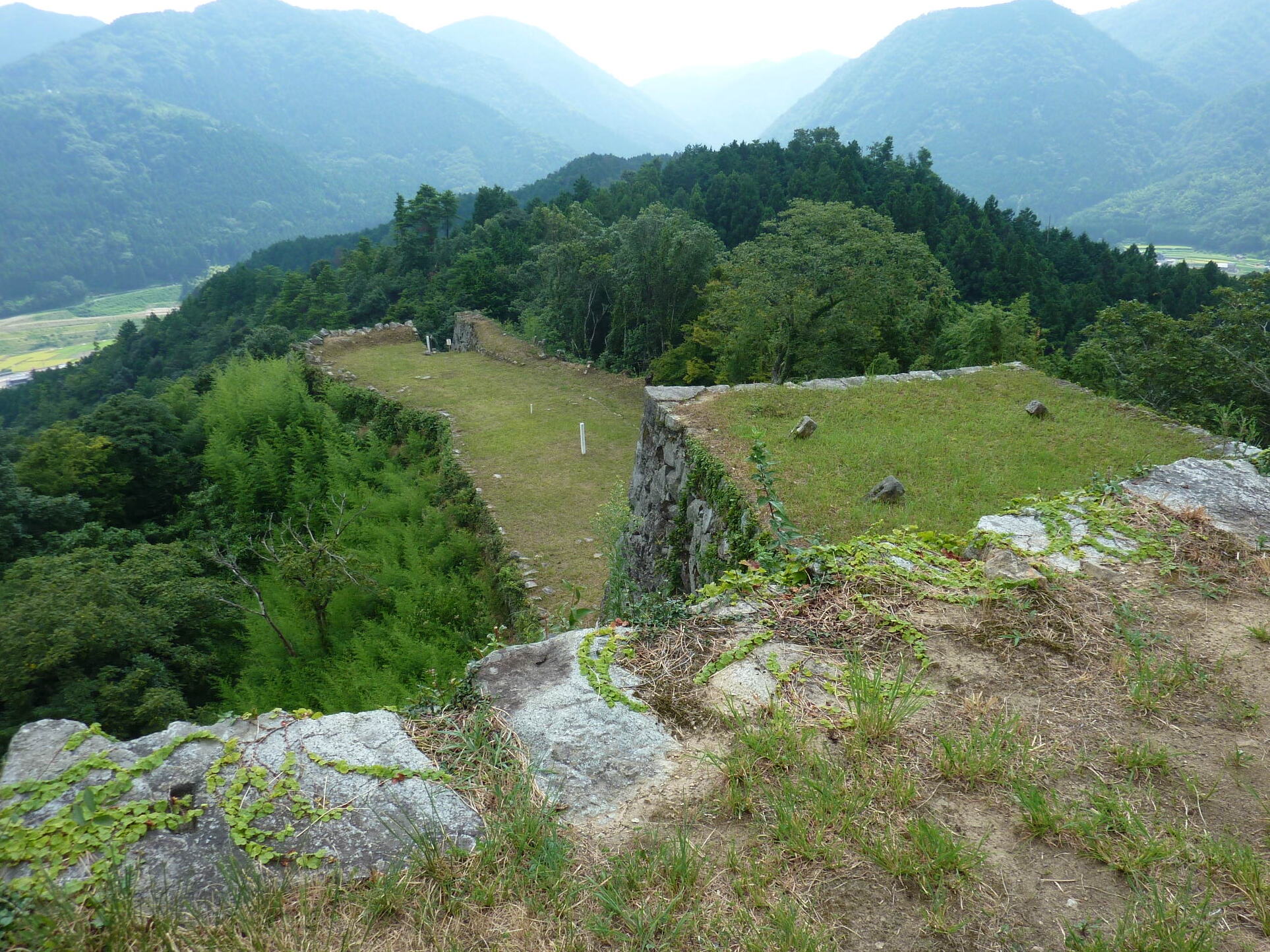
Perched majestically atop a mountain ridge, the Tsuwano Castle Ruins offer a fascinating glimpse into Japan's feudal past. At an elevation of 200 meters above the charming Tsuwano Town, these ruins are a testament to the enduring legacy of a structure that once stood as a symbol of power and defense in the region.
### History and Origins
The origins of Tsuwano Castle date back to the late 12th century, during the tumultuous Heian period. Originally built by the Matsudaira clan, the castle was strategically positioned to oversee the surrounding area and protect its inhabitants. In the early 1600s, during the Edo period, significant enhancements were made, including the construction of formidable stone walls that provided additional defense against potential invaders.
However, fate dealt a cruel hand to the castle in 1686 when the main keep was struck by lightning and consumed by flames. This event marked a turning point in the castle's history, as it was never rebuilt. Following the Meiji Restoration in the 1870s, the castle was officially decommissioned, leaving behind only its stone foundations and remnants of its once-majestic structure.
### Art and Architecture
The architectural significance of Tsuwano Castle lies in its defensive design, characterized by multiple rings of stone walls that encircle the site. These walls, built using local granite, exhibit the craftsmanship and engineering prowess of the period. Visitors can still observe the intricate stonework and the carefully planned layout that fortified the castle against attacks.
While the castle itself is devoid of artworks due to its ruins, the surrounding area is rich in Japanese aesthetics, with natural beauty playing a vital role in its charm. The serene landscape, combined with the remnants of the fortifications, creates a harmonious blend between nature and history that inspires both artists and photographers alike.
### Local Culture and Traditions
Tsuwano is often referred to as "Little Kyoto" due to its rich cultural heritage and well-preserved traditional architecture. The town is renowned for its annual Tsuwano Matsuri, a vibrant festival celebrating the region's history and culture. Typically held in late spring, this festival features traditional performances, parades, and local cuisine, drawing visitors from all over Japan.
The town is also home to a thriving community of artisans, preserving traditional crafts such as pottery and calligraphy. Local customs often involve seasonal celebrations, where residents participate in rituals that honor their ancestors and the spirits of nature, reflecting the deep connection the people of Tsuwano have with their land and history.
### Gastronomy
No visit to Tsuwano would be complete without indulging in its culinary delights. The region is particularly famous for its soba noodles, made from buckwheat flour and often served cold with a dipping sauce or hot in a savory broth. Another local specialty is Tsuwano's grilled fish, particularly ayu (sweetfish), caught fresh from the nearby rivers.
Don’t miss out on trying Tsuwano sake, renowned for its smooth flavor and brewed using pure mountain water. The local breweries often open their doors for tastings, making it a great opportunity to experience the craftsmanship behind this beloved beverage.
### Lesser-known Curiosities
While many visitors flock to the castle ruins, few know about the nearby Kakuun-ji Temple, which houses an impressive collection of Buddhist statues, some dating back to the 16th century. Additionally, the Tsuwano Railway, a scenic train ride that winds through lush countryside, offers a unique perspective on the area’s natural beauty and historical landscape.
Another fascinating detail is the legend of Tsuwano's ghost, said to roam the ruins at night. This tale adds an air of mystery and intrigue to the site, captivating the imaginations of those who hear it.
### Practical Visitor Information
The best time to visit Tsuwano Castle Ruins is during the spring and autumn months when the weather is mild, and the surrounding foliage bursts with color. The journey to the ruins begins with a chair lift that transports visitors partway up the mountain, followed by a 15-20 minute hike through serene woods that enhances the sense of adventure.
As you explore the ruins, take your time to appreciate the panoramic views over Tsuwano Town. Look for the remnants of the stone walls that once protected the castle, and imagine the historical events that took place within its grounds.
In conclusion, the Tsuwano Castle Ruins are not just a site of historical significance; they are a gateway to experiencing the rich tapestry of local culture and tradition. For those seeking a personalized itinerary to explore the wonders of Tsuwano-chō, consider using the Secret World app to plan your journey.
