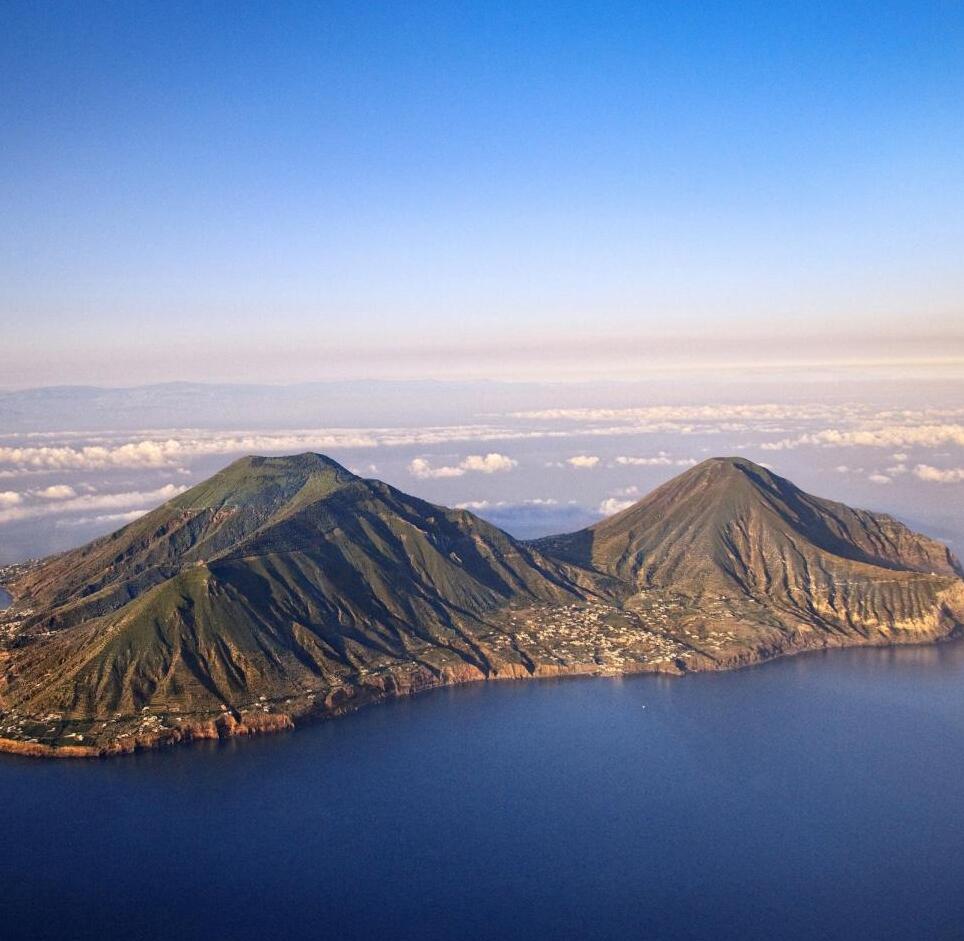

Nestled in the heart of the Aeolian Islands, the verdant island of Salina enchants visitors with its lush landscapes and tranquil atmosphere. Often overshadowed by its more famous neighbors, Salina offers a unique blend of natural beauty, rich history, and vibrant culture that beckons to be explored.
### History and Origins
Salina's history stretches back to ancient times, with evidence of human settlement dating as far back as the Neolithic period. The island was known to the Greeks as Didyme, meaning "twin," a reference to its two prominent volcanic peaks, Fossa delle Felci and Monte Porri. The island’s strategic location made it a valuable stopover for traders and sailors in antiquity.
In the late 1st century BC, Salina was part of the Roman Empire, flourishing as a center for salt extraction, which is still evident today in the Laghetto dei Capperi. The island's salt production was so vital that it contributed to the wealth of the region. Over the centuries, Salina has seen numerous invasions and occupations, including the Arabs and Normans, each leaving a mark on its culture and architecture.
### Art and Architecture
The architectural landscape of Salina is a delightful tapestry of traditional Sicilian style and Aeolian influences. The villages of Santa Marina, Malfa, and Leni showcase charming whitewashed houses adorned with colorful bougainvillea, creating a picturesque coastal scene. Notable structures include the Church of Santa Marina in the main town, famous for its striking bell tower and beautiful frescoes that illustrate the island's deep-rooted religious heritage.
The island's artistic significance is further highlighted during local festivals, where traditional crafts, music, and dance come together, allowing visitors to experience the island's cultural heartbeat. The Festival of the Madonna del Terzito in September features vibrant processions and local artisans displaying their work, offering a glimpse into the island's artistic soul.
### Local Culture and Traditions
Salina's culture is steeped in Sicilian traditions that have been preserved through generations. The island is known for its warm hospitality, where locals take pride in sharing their heritage. The annual Malvasia Wine Festival celebrates the island's famous Malvasia wine, a sweet, aromatic drink that has been produced here for centuries.
Local customs also reflect a deep connection to the land and sea. Fishermen still practice age-old techniques, and traditional caper harvesting remains a vital part of the local economy. Visitors may witness the caper harvest in late spring, when the delicate buds are picked and prepared for preservation, a practice that has garnered global attention for its quality.
### Gastronomy
The culinary offerings of Salina are a delightful reflection of its natural bounty. The island is particularly famous for its capers and Malvasia wine, both of which are essential components of local dishes. Capers from Salina are known for their intense flavor and are often used in pasta sauces, salads, and traditional Sicilian dishes like Pasta alla Caprese.
Seafood lovers will find an abundance of fresh catches, including swordfish and anchovies, served grilled or in rich, flavorful stews. Don’t miss trying the island's granita, a refreshing semi-frozen dessert made from local fruit, particularly during the warm summer months.
### Lesser-Known Curiosities
Salina is not just about stunning vistas and delicious food; it is also home to several hidden gems. The village of Lingua features a picturesque salt lake that was once a significant salt extraction site, now offering stunning views and a serene atmosphere perfect for a leisurely stroll.
The island is also known for the Fossa delle Felci Nature Reserve, a UNESCO-designated area that boasts diverse flora and fauna, including rare species of orchids. For those seeking adventure, the hike to the summit of Fossa delle Felci rewards with panoramic views of the surrounding archipelago.
Another intriguing aspect is the Piano di Novello, a plateau that hosts ancient ruins and remnants of past civilizations. Visitors often miss this archaeological site, which tells the story of the island's early inhabitants.
### Practical Visitor Information
The best time to visit Salina is during the shoulder seasons of spring (April to June) and early autumn (September to October). The weather is pleasantly warm, making it ideal for hiking, swimming, and exploring the island's villages.
Getting to Salina typically involves a ferry ride from Lipari or Milazzo, with connections available throughout the day. Once on the island, renting a bicycle or scooter is a popular way to navigate the charming roads and discover hidden beaches.
As you explore this tranquil haven, make sure to stop by the local markets to sample fresh produce and artisanal goods. Engaging with the locals will enrich your experience, offering insights into the island's rich culture and traditions.
Salina is a gem in the Aeolian archipelago, perfect for those seeking a blend of relaxation, adventure, and culture. To enhance your journey, consider using the Secret World app for a personalized AI itinerary that will guide you through the island's wonders.
