



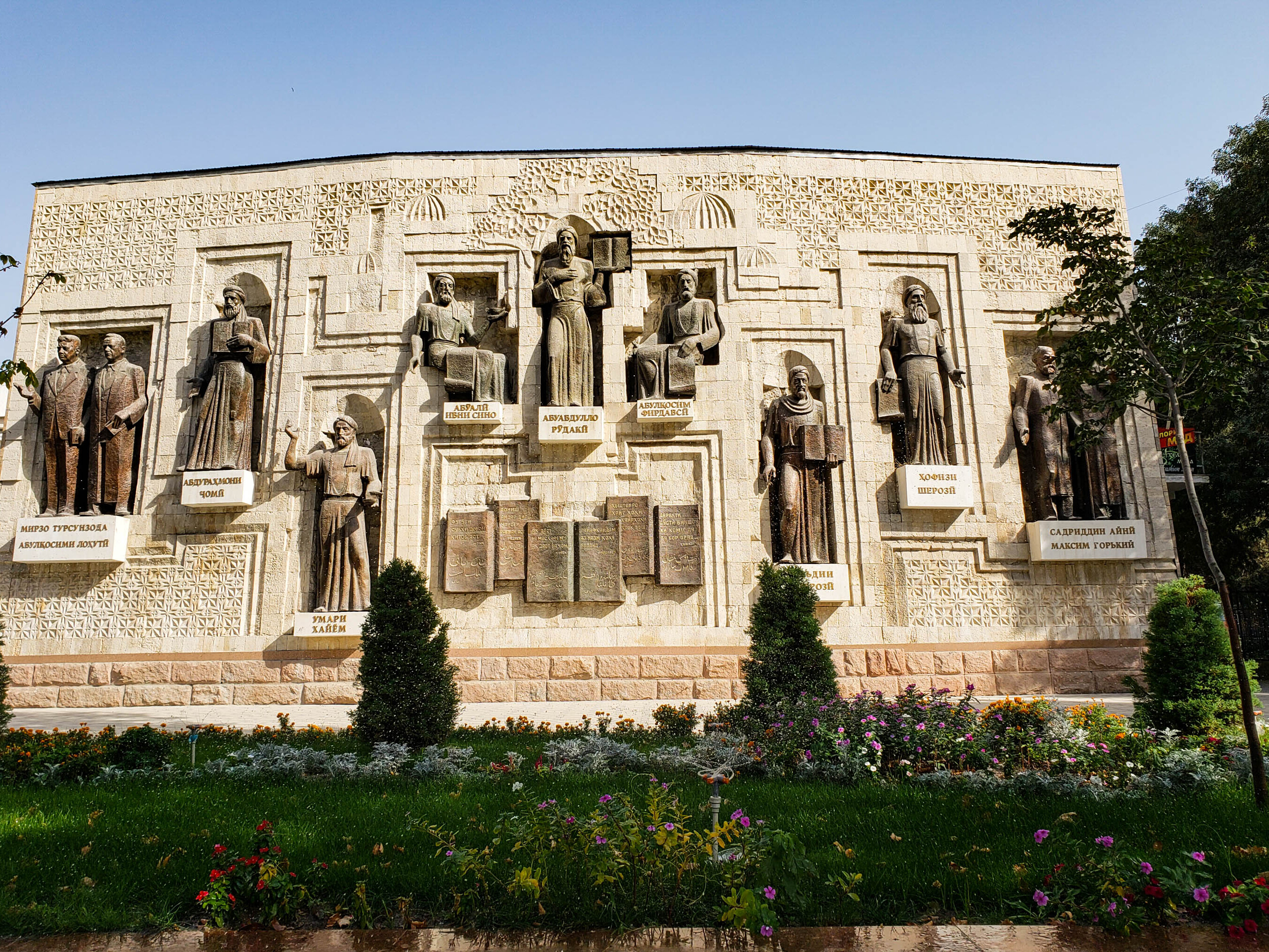
സംസ്കാരം താജിക്കിസ്ഥാൻ has developed over several thousand years. താജിക് സംസ്കാരം can be divided into two areas, Metropolitan and Kuhiston (ഹൈലാൻഡ്). ആധുനിക സിറ്റി സെന്ററുകൾ എന്നിവ Dushanbe (തലസ്ഥാനം), Khudjand, Kulob, and Panjikent.രാജ്യം had been അംഗീകരിച്ച പേർഷ്യൻ emperors as a state religion, and was പരിശീലിച്ചിരുന്നു in Central Asia as well. അത് ഒടുവിൽ നിരസിക്കൽ ശേഷം അറബ് പഞ്ചസ്തംഭങ്ങൾ. The largest celebration in Tajikistan to come from the pre-Islamic period is Navruz, which means "പുതിയ Day". It is held on March 21, അല്ലെങ്കില് 22, when കൃഷി ദേശം ആരംഭിക്കുന്നു. സമയത്ത് Navruz, പല കുടുംബങ്ങൾ visit ബന്ധുക്കൾ, throw out പഴയ സാധനങ്ങൾ, clean the house, and play field games. Special dishes are also served. Other pre-Islamic താജിക് പാരമ്പര്യം പോലെ തീ ചാടി, നൃത്തം round the fire, and യുദ്ധം 'ഭൂതങ്ങളെ' തീ കൊണ്ട്, ഇപ്പോഴും സംഭവിക്കാം കൂടുതൽ ന്റെ വിദൂര പ്രദേശങ്ങളിൽ. The “മതിൽ വലിയ താജിക് Writers" is the facade of the Writers’ Union building in Dushanbe, home to an association of novelists, കവികള്, നാടകകൃത്തുക്കളേയും, and other writers. വലിയ മതിൽ കൊത്തിയെടുത്ത കൊണ്ട് ഒമ്പത് niches അടങ്ങുന്ന പതിനൊന്നു life-size പ്രതിമകൾ പ്രശസ്ത താജിക് എഴുത്തുകാർ, ഒരു കരം താജിക്കിസ്ഥാൻ’s പേർഷ്യൻ and സോവിയറ്റ് ചരിത്രം.
8-ആം നൂറ്റാണ്ടിൽ “ആദം of Poets,” Rudaki, justifiably takes the centre stage. He is considered a father of classical പേർഷ്യൻ സാഹിത്യം, though ത്തോടെ only a small portion of his work has survived the test of time.
