



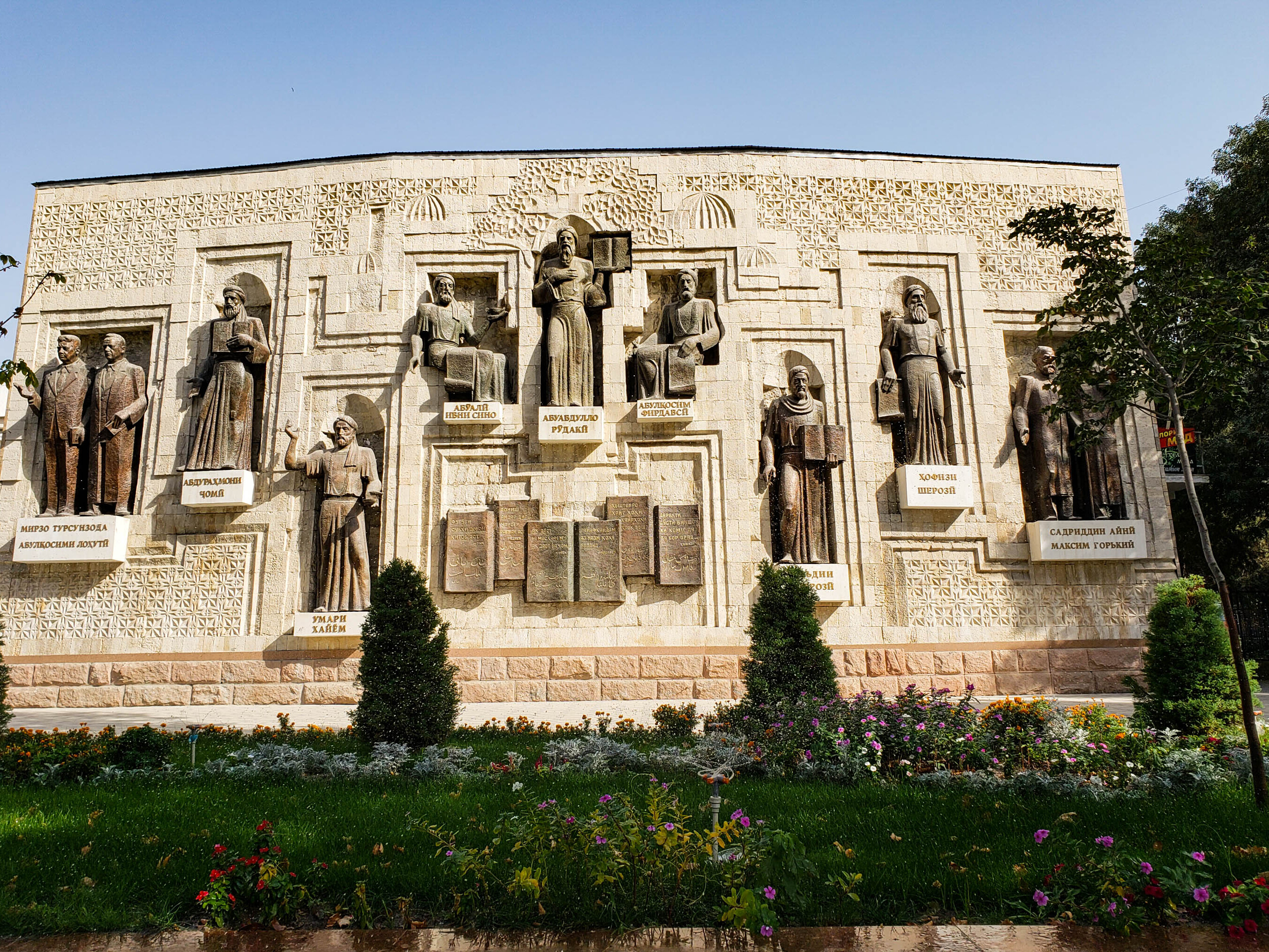
Nestled in the heart of Dushanbe, the capital of Tajikistan, lies a profound tribute to the nation’s literary heritage: the Wall of Great Tajik Writers. This impressive structure is not only a visual masterpiece but also a testament to the rich tapestry of Tajik culture, shaped over millennia by a blend of Persian and Soviet influences.
### History and Origins
The roots of Tajik culture can be traced back to ancient civilizations that flourished in Central Asia. With the rise of Zoroastrianism as a dominant faith among Persian emperors, the region became a cultural and philosophical hub. Following the Arab conquests, however, the religious landscape shifted dramatically, leading to the decline of Zoroastrian practices.
Throughout the ages, Tajikistan has faced numerous invasions and transformations, yet it has always retained its literary voice. The Wall of Great Tajik Writers was inaugurated in 2006, yet it reflects the legacy of Rudaki, often hailed as the “Adam of Poets.” Rudaki, who lived in the 8th century, is considered a cornerstone of classical Persian literature, and his work laid the foundation for countless poets who followed.
### Art and Architecture
The Writers’ Union building, where the wall resides, is a striking example of Soviet-era architecture, characterized by its monumental scale and austere elegance. The wall itself is adorned with nine niches, each housing life-size statues of eleven prominent Tajik writers. This artistic arrangement not only celebrates individual achievements but also symbolizes the collective spirit of Tajik literature.
Among the carved figures, Rudaki commands the most attention, his likeness capturing the essence of poetic inspiration. Surrounding him are other literary luminaries, including Sadriddin Aini, known for his contributions to Tajik prose, and Gulnazar Keldi, whose works resonate deeply with the Tajik spirit. The craftsmanship involved in creating these statues showcases the skill of local artisans, making the wall a significant artistic landmark.
### Local Culture and Traditions
Tajikistan's cultural fabric is woven with vibrant traditions and celebrations. One of the most significant is Navruz, or "New Day," celebrated on March 21 or 22, marking the arrival of spring and the renewal of life. Families engage in various customs, from spring cleaning to preparing traditional dishes like Sumalak, a sweet wheat pudding symbolizing prosperity and rebirth.
In addition to Navruz, traditional practices such as fire jumping and dancing around bonfires can still be witnessed in rural areas, reflecting ancient customs that have survived the test of time. These festivals not only highlight the resilience of Tajik culture but also foster community bonds, as families come together to share in the festivities.
### Gastronomy
The culinary landscape of Dushanbe is as diverse as its literary history. Plov, a fragrant rice dish typically cooked with meat, carrots, and spices, is a staple in Tajik households and often served during celebrations. Other popular dishes include mantu (steamed dumplings filled with minced meat) and shurpa (a hearty soup made with meat and vegetables).
Visitors should also sample local sweets, such as halva and chak-chak, a fried dough dessert drizzled with honey. Pair these delights with green tea, which is a customary drink in Tajik culture, symbolizing hospitality and warmth.
### Lesser-Known Curiosities
Beyond its literary significance, the Wall of Great Tajik Writers holds fascinating stories that often go unnoticed by tourists. For instance, the wall was initially met with skepticism from some local critics who questioned the need for such a grand tribute. However, it has since become a beloved symbol of national pride and cultural identity.
Another intriguing aspect is the wall’s role as a meeting point for aspiring writers and literary enthusiasts. Local workshops and events frequently take place here, making it a living testament to the ongoing evolution of Tajik literature.
### Practical Visitor Information
The best time to visit Dushanbe for a cultural immersion is during the spring months, particularly around Navruz. This is when the city comes alive with celebrations, and the weather is pleasantly mild.
When planning your visit, take the time to explore not only the wall but also the surrounding Writers’ Union building, which often hosts literary events and exhibitions. Don’t miss the chance to engage with local writers, who can provide insights into the contemporary literary scene.
For a truly personalized experience in Dushanbe, consider using the Secret World app to craft an itinerary that explores the hidden gems of Tajikistan’s capital.
