
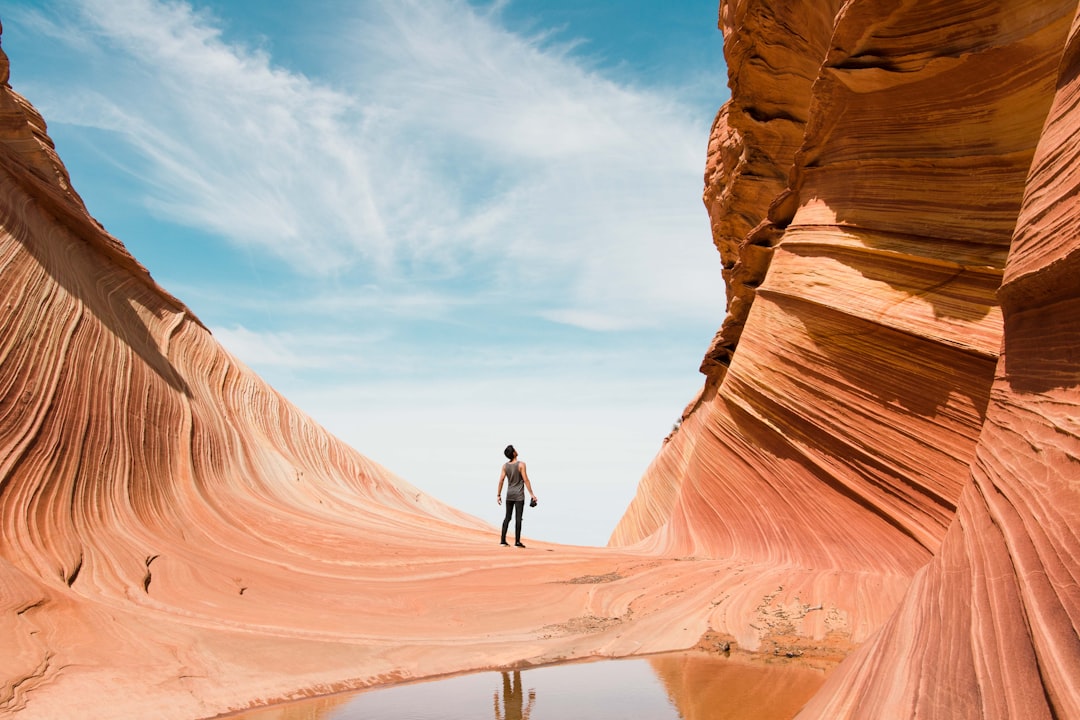

Immersed in the heart of the Utah desert, The Wave is a masterpiece of nature that attracts visitors from every corner of the world. This extraordinary sandstone rock formation, located near Kanab, features a unique landscape characterized by waves of rock that twist in a ballet of vibrant colors. Every year, thousands of hikers venture into this natural paradise, drawn not only by its visual beauty but also by the richness of biodiversity that surrounds it.

The Wave is not simply a destination for photography lovers; it is a place where nature tells its story through the shapes and colors that have been shaped over millions of years. Here, time seems to have stood still, allowing anyone who visits to connect deeply with the surrounding environment. Let us delve together into the beauty of this geological phenomenon and its ecological importance.
The Magic of the Rock Formations

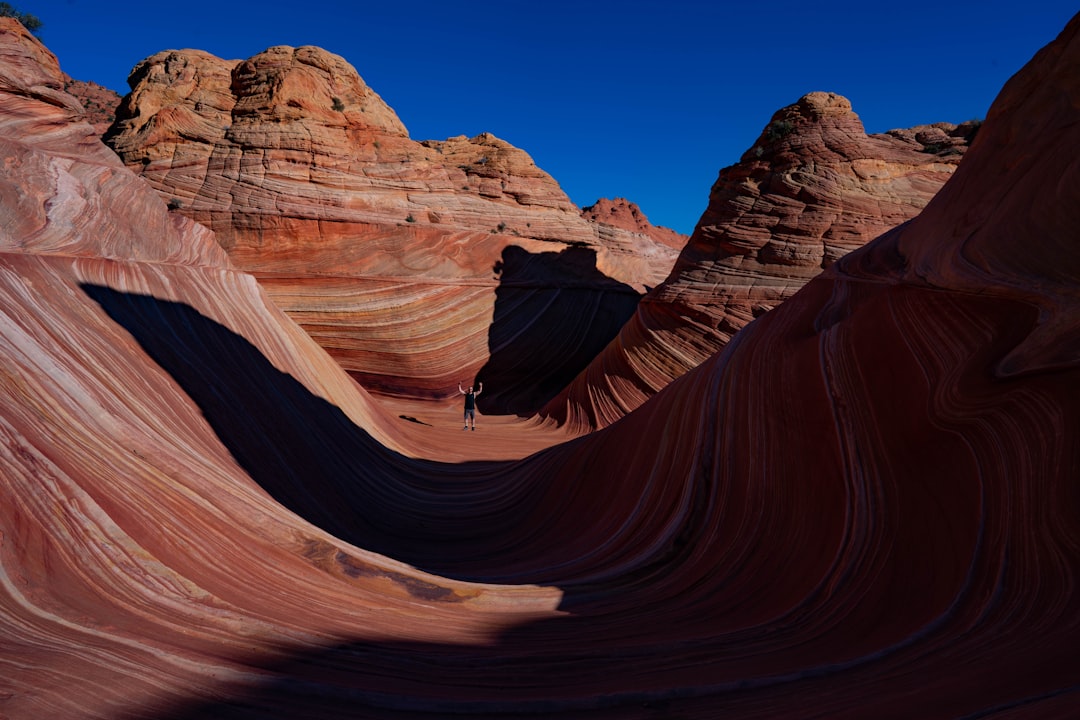
The rock formations of The Wave are the result of a complex geological evolution that took place over approximately 190 million years. The main characteristic of this place is its multicolored sandstone, which formed through layers of sand and minerals over the millennia. The undulations and curves of the rocks create an extraordinary visual effect that changes with the sunlight, offering a spectacle that seems to belong to another world.
Every visitor to The Wave has the opportunity to explore these extraordinary landscapes, where the rock walls climb towards the sky in an embrace of fluid lines and intense colors. The beauty of The Wave is accentuated by its relatively isolated location, which offers an experience of tranquility and contemplation, away from the hustle and bustle of the cities.

Biodiversity in an Extreme Environment
Despite the apparent aridity of the desert, The Wave hosts a surprising variety of life. The extreme climatic conditions do not discourage wildlife: here you can spot creatures like the coyote, the rattlesnake, and various species of birds of prey. These animals have adapted magnificently to their habitat, demonstrating a resilience that amazes anyone who visits this place.
The plants that grow in this region, such as junipers and yucca plants, have developed unique strategies to survive the high temperatures and scarcity of water. These plant species not only enrich the ecosystem but also play a crucial role in maintaining the soil and preventing erosion. The biodiversity of The Wave is a reminder of the beauty and fragility of life in extreme environments.
Connecting with Nature
Visiting The Wave is an experience that goes beyond simply observing natural beauty. It is an opportunity to fully immerse oneself in the environment and reflect on our relationship with it. Walking among the rock formations, listening to the wind whispering through the cracks in the stone, and observing the vast blue sky is an invitation to meditation and contemplation. Every step is a way to reconnect with nature and rediscover our place in the world.
It is important to approach this place with respect and awareness. Visits to The Wave are limited to preserve the integrity of the ecosystem and ensure that future generations can enjoy its beauty. Visitors are encouraged to follow the guidelines of the National Park Service and practice Leave No Trace, a principle that promotes environmental conservation.
Conclusion: A Journey into the Beauty of Nature
The Wave is much more than just a rock formation: it is a symbol of the power and beauty of nature. Every year, thousands of people travel to Kanab to admire this extraordinary geological phenomenon and to immerse themselves in the biodiversity that surrounds it. Its uniqueness and the emotional impact it generates in visitors make it a must-see place for anyone who loves nature and wishes to explore its wonders.
In an increasingly connected and frantic world, The Wave represents a refuge of peace and beauty, where it is possible to reconnect with the earth and reflect on our role in its protection. This extraordinary corner of paradise is a testament to the strength of nature and the necessity to preserve it for future generations.


